 Lunasol Logistics
Lunasol Logistics
Lunasol Logistics
Automated facilities depend on connected machines, control software, sensors, and people working in sync. When one conveyor motor overheats or a photo-eye gets coated with dust, a small fault can stop an entire line. The cost is not only lost production. Delays can also disrupt shipping schedules, increase pressure on technicians, and leave teams troubleshooting under stress.
How To Reduce Downtime In Automated Facilities starts with treating reliability as daily work, not an emergency project. Management expert W. Edwards Deming offered a useful warning: “A bad system will beat a good person every time.” His point matters on the plant floor: even skilled operators need clear procedures, accessible spare parts, and equipment that is maintained before failure. Practical measures include tracking recurring alarms, inspecting high-wear components, training staff to report unusual sounds or vibration, and using maintenance data to plan repairs.
This guide explores the top ways facilities can reduce downtime in 2026, from predictive maintenance and root-cause analysis to operator training and recovery planning. The best approach depends on the site. A packaging line with frequent changeovers has different risks from a warehouse conveyor network. Technology helps, but it is not a shortcut. A dashboard cannot fix incomplete records or unclear ownership. And some faults will still happen. That reality deserves attention, too. Reliable operations come from measuring losses honestly, acting on evidence, and reviewing whether each improvement actually keeps equipment available.
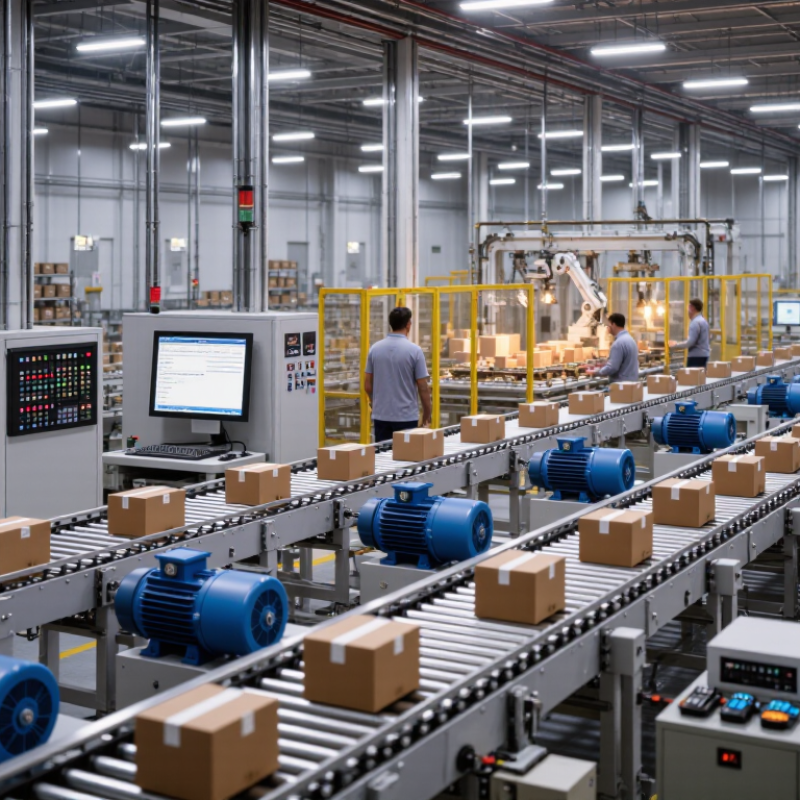
Automated facility downtime is any period when equipment cannot perform its intended task. It may be a full shutdown, or a slower process that limits production. A conveyor that stops for a jam is obvious. A robot waiting repeatedly for parts can be harder to spot. That distinction matters. Small interruptions may add up across a shift, even when no single stop seems serious.
Understanding downtime starts with consistent records. Note when an interruption begins and ends, which equipment is affected, and what operators observed. Separate planned maintenance from unplanned stops, and record reduced-speed periods where practical. A sensor fault, material shortage, and difficult restart can look similar in a basic report. Compare logs with shift notes and equipment alarms before assigning a cause. Measurements are rarely perfect; manual entries can be late or incomplete. That is worth admitting.
Tips: Use one shared definition of downtime across teams. Keep reason codes simple, and review recurring events weekly. Check whether reported stoppages match what operators see on the floor. A short, specific note—“jam at transfer point, cleared in six minutes”—is more useful than “machine issue.” Teams may still disagree about causes. Record uncertainty rather than forcing a neat answer.
| Dimension | What It Means | How to Measure or Identify It | Practical Reduction Approach |
|---|---|---|---|
| Planned downtime | Scheduled time when equipment is intentionally unavailable, such as for preventive maintenance, inspections, or planned changeovers. | Record the scheduled start and end times, affected assets, and reason. Compare actual duration with the maintenance or changeover plan. | Coordinate work with production schedules, prepare tools and replacement parts in advance, and review tasks that regularly exceed their planned duration. |
| Unplanned downtime | Unexpected loss of production time caused by an equipment fault, process interruption, or other unplanned event. | Log the event start, restoration time, affected equipment, and confirmed cause. Use consistent event codes so recurring issues can be compared. | Prioritize recurring or high-impact causes, use fault histories to guide troubleshooting, and verify that corrective actions prevent repeat events. |
| Availability | The share of planned production time during which equipment is available to operate. | Availability = (Planned production time − Downtime) ÷ Planned production time × 100%. Define which stops count as downtime and apply that rule consistently. | Separate planned and unplanned losses in reports, then target the largest avoidable downtime category rather than relying on a single overall figure. |
| Mean time between failures (MTBF) | Average operating time between recorded failures for a repairable asset. | MTBF = Total operating time ÷ Number of failures. State the reporting period and failure definition when comparing results. | Investigate failure patterns, operating conditions, and maintenance history; use findings to adjust inspection intervals or component replacement plans. |
| Mean time to repair (MTTR) | Average time required to restore an asset after a failure, according to the facility’s chosen start and end points. | MTTR = Total repair time ÷ Number of repairs. Clarify whether diagnosis, waiting for parts, and testing are included. | Improve fault-finding procedures, ensure technicians can access accurate equipment documentation, and make commonly required spares available. |
| Microstops and minor stops | Brief interruptions, such as a sensor trip or a short material-flow blockage, that may be missed if only major failures are logged. | Use machine event logs or operator stop codes to count events and record their accumulated duration by asset and shift. | Review frequent short stops, check sensors and material presentation, and distinguish genuine equipment issues from normal process pauses. |
| Material-related interruptions | Production stops caused by missing, delayed, incorrect, or poorly presented materials. | Record material-related stop time alongside line, shift, material type, and replenishment event. | Coordinate replenishment with production needs, standardize material presentation, and investigate recurring shortages or delivery delays. |
| Controls, network, or software interruptions | Loss or degradation of automated operation linked to control logic, communications, configuration, or software changes. | Correlate equipment event logs with alarms, network status, and change records; document the affected system and recovery time. | Use controlled change management, maintain configuration backups, and establish clear escalation and recovery procedures. |
| Downtime data quality | How consistently downtime events are detected, classified, and recorded across equipment and shifts. | Check for missing timestamps, overlapping events, inconsistent reason codes, and differences between automated logs and operator records. | Standardize event definitions and reason codes, train staff on logging rules, and periodically audit records against machine data. |
| Measurement note: Downtime totals and performance indicators depend on clear, consistent definitions of planned production time, failure events, and repair intervals. Compare like-for-like assets and reporting periods. | |||
Downtime includes full shutdowns and slower processes that limit production. A jammed conveyor is obvious; a robot waiting for parts may be less visible.
Record start and end times, affected equipment, and operator observations. Note reduced-speed periods when practical. Entries may be late or incomplete.
Compare shift notes, equipment alarms, and downtime logs before assigning a cause. A sensor fault and material shortage can look similar.
Teams need consistent records to compare events. Keep reason codes simple, and review recurring interruptions weekly.
Be specific: “jam at transfer point, cleared in six minutes” gives more detail than “machine issue.” Causes may still be uncertain.
Review alarm history monthly and group repeat events by machine, sensor, and shift. Use specific messages, such as “infeed sensor blocked.”
Use hands-on drills at the actual control panel. Practice confirming a stop, following site procedures, and contacting the right maintenance role.
Note changes before faults, such as unusual noise or product buildup. A short log helps, but it can become stale without review.
Set minimum stock using lead times, failure history, and storage conditions. Label bins clearly and record withdrawals promptly. Check revisions, too.
Review them after equipment changes. A spare may have the wrong revision or damaged packaging. Easy to miss.
This article explains how to reduce interruptions in automated facilities by first understanding what downtime is, how it affects operations, and where disruptions are most likely to occur. It outlines ways to identify equipment vulnerabilities and process bottlenecks, then shows how preventive and predictive maintenance can help teams address issues before they cause unplanned stoppages. A practical approach to How To Reduce Downtime In Automated Facilities also includes improving control systems, preparing employees to respond to problems, and keeping essential spare parts available.
The article further emphasizes tracking reliability measures such as downtime frequency, duration, and equipment performance. By reviewing these results regularly, facility teams can identify recurring causes, assess whether maintenance and training efforts are working, and update their plans as operational needs change. Together, these steps provide a consistent framework for improving equipment availability and building more resilient automated operations in 2026.
