Lunasol Logistics Lunasol Logistics

2026 Best Ways to Improve Warehouse Automation Efficiency

Time:2026-11-03 Author:Sienna
0%

Warehouse automation is no longer just a question of adding robots or faster conveyors. In 2026, efficiency depends on how well people, software, equipment, and inventory work together. A picking robot cannot fix inaccurate stock records. Neither can a new warehouse management system resolve a poorly planned travel path.

How To Improve Warehouse Automation Efficiency starts with observing real work on the floor. Track order cycle time, pick accuracy, equipment downtime, and congestion by shift. Look closely at practical details: a scanner that loses connection near a steel rack, or a conveyor that backs up during the afternoon rush. Small faults can quietly drain capacity. Measure before making changes.

This guide explores useful ways to improve warehouse automation, from integrating systems and optimizing workflows to maintaining equipment and training staff. It also considers how to scale automation without disrupting daily operations. Pilot changes in a defined area, then compare results against a clear baseline. Keep safety checks part of the plan.

Not every gain lasts. A dashboard may show faster picks while exceptions and rework increase. That matters. Review the data with frontline employees, who often notice problems the reports miss. Some recommendations may need adjustment for your facility, order mix, or budget. The aim is steady, measurable improvement—not automation for its own sake.
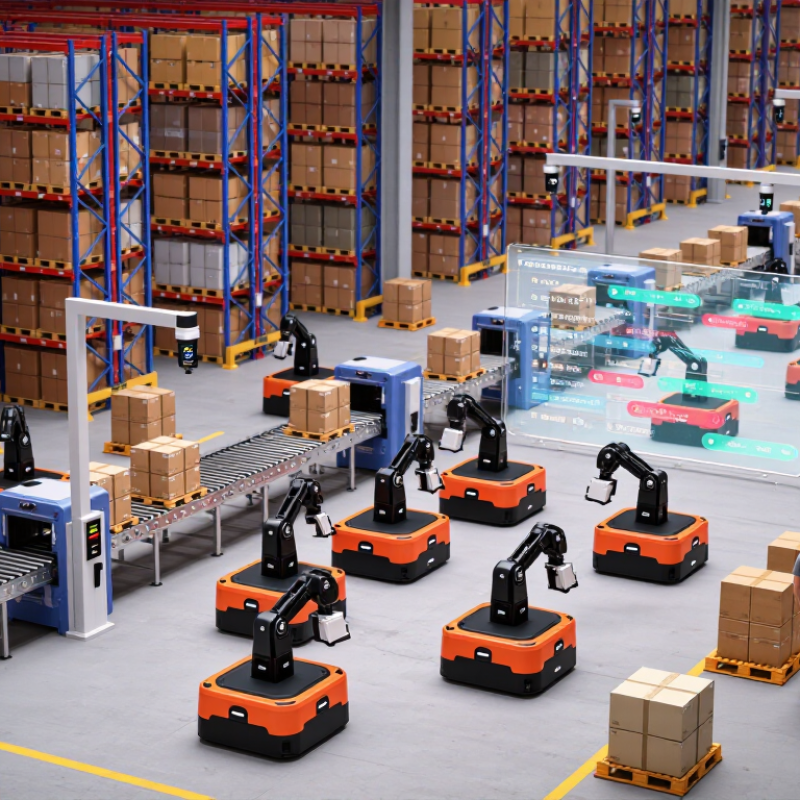
2026 Best Ways to Improve Warehouse Automation Efficiency

Understanding Warehouse Automation Efficiency in 2026

Understanding warehouse automation efficiency in 2026 means measuring more than packages moved per hour. A fast conveyor can still create delays if picking stations lack stock or workers must correct mislabeled totes. Useful measures include order-cycle time, units picked per labor hour, equipment uptime, and error rates. Compare them by shift and product type; a daily average can hide a recurring bottleneck.

The 2024 Annual Industry Report by MHI and Deloitte found that 55% of surveyed supply-chain leaders planned to increase technology investment. That signals growing interest, not proof that automation improves every operation. Efficiency depends on matching equipment and software to order profiles, building layout, and staffing. A small pilot can reveal whether an automated route actually reduces walking or simply moves congestion elsewhere.

Watch the floor, too. If a tote waits beside a scanner, inspect the handoff before buying faster equipment. Track downtime and maintenance hours alongside throughput. Not speed alone. Worker feedback can expose awkward reaches, confusing alerts, or workarounds that dashboards miss. These observations are imperfect, but they help explain why a strong system-level metric may conceal a frustrating task at one station.

Assessing Processes, Bottlenecks, and Automation Readiness

Improving warehouse automation starts with observing the work as it happens, not relying only on process diagrams. Follow an order from receiving through storage, picking, packing, and dispatch. Record travel distance, waiting time, handoffs, and repeated corrections. Small delays hide in plain sight. A queue beside a printer or a frequently blocked aisle may reveal more than a dashboard does.

Separate the visible bottleneck from its cause. A slow packing station may reflect uneven order release, missing supplies, or inaccurate inventory data—not a lack of automation. Compare timestamps across busy and quiet shifts, and speak with the people doing the work. Their notes often expose exceptions that standard reports miss. Automating a workaround can make it harder to fix.

Assess readiness before selecting equipment or software. Check whether location and item data are dependable, product sizes are consistent, and exception handling is clearly defined. Map pedestrian routes, equipment access, and safe stopping areas. Confirm that staff can respond to jams and that maintenance support is available. A small pilot on a representative shift can test these assumptions. It may still miss seasonal peaks; that is a gap worth recording, not hiding. Keep track of manual overrides, downtime, and order accuracy as the pilot runs.

Selecting and Integrating the Right Automation Technologies

Warehouse automation performs best when selected around actual order patterns, not a technology demo. Map travel paths, peak-hour congestion, SKU sizes, and exception rates before comparing systems. MHI’s 2024 Annual Industry Report found that 55% of respondents planned to increase investment in supply chain technology and innovation over the following two years. Gartner predicted in 2023 that 75% of large enterprises would adopt intralogistics smart robots in warehouse operations by 2026. These figures signal growing interest, not guaranteed returns. A picking robot may reduce walking, yet poorly placed charging stations can create new bottlenecks.

Match each tool to a measurable constraint. Use conveyors for steady, predictable flows; consider mobile robots where routes change often. Small tests matter. Pilot one zone with representative orders, then track picks per hour, missed scans, downtime, and worker feedback. Integrate equipment through shared inventory and order data, with clear rules for stalled tasks and manual recovery. During one shift, observe what happens when a tote arrives late or a barcode fails. That is where polished plans meet reality. A pilot may expose assumptions about aisle width, Wi-Fi coverage, or replenishment timing. Adjust before scaling. Keep people involved. Operators often spot awkward handoffs before dashboards reveal them, and their feedback can prevent a costly integration mistake.

2026 Best Ways to Improve Warehouse Automation Efficiency – Selecting and Integrating the Right Automation Technologies

Technology Best-Fit Warehouse Need Primary Efficiency Lever Key Integration Requirements Useful Performance Measures Practical First Step
Warehouse Management System (WMS) Facilities needing accurate inventory, directed work, and coordinated order fulfillment. Standardizes inventory records, task assignment, replenishment, and order workflows. Connect item, location, order, and inventory data with ERP, order systems, and scanning devices. Inventory record accuracy; order cycle time; lines picked per labor hour; order accuracy. Audit master data and map current receiving, picking, replenishment, and shipping processes.
Warehouse Execution System (WES) Operations combining manual work with multiple automation systems. Balances work across people and equipment using real-time order and resource status. Coordinate task priorities and status exchanges with the WMS and automation controllers. Work queue age; equipment utilization; order release-to-completion time; blocked-task rate. Identify where work waits between systems, zones, or shifts before defining orchestration rules.
Barcode Scanning and RFID Sites with manual identification, frequent inventory discrepancies, or traceability needs. Captures item and location events at receiving, storage, picking, and dispatch. Use consistent identifiers, readable labels or tags, compatible readers, and inventory-system updates. Scan compliance; inventory accuracy; mis-pick rate; time to complete receiving transactions. Standardize label placement and test read rates on representative products and packaging.
Autonomous Mobile Robots (AMRs) Facilities with repetitive transport between picking, replenishment, packing, or staging areas. Reduces non-value-added walking and moves totes or carts between defined work points. Integrate mission dispatch, traffic rules, charging, safety procedures, and task confirmation with warehouse software. Travel time per task; missions completed per hour; robot idle time; human walking distance. Map traffic and pedestrian routes, then pilot a repeatable transport loop during a representative shift.
Automated Storage and Retrieval Systems (AS/RS) Sites seeking dense storage and automated access to totes, cartons, or pallets. Uses vertical or high-density storage and presents stored goods to workstations. Confirm load dimensions and weights; connect inventory locations, storage commands, and equipment status. Storage density; retrieval time; machine availability; replenishment and retrieval error rates. Profile SKU dimensions, demand frequency, load stability, and peak retrieval requirements.
Conveyors and Sortation High-volume operations with stable routes between processing zones or shipping destinations. Moves and routes cartons or totes with less manual carrying and handling. Coordinate routing logic, scanners, sensors, accumulation zones, and exception handling. Items or cartons per hour; jam frequency; divert accuracy; conveyor availability. Measure peak flow by route and identify congestion, recirculation, and manual transfer points.
Goods-to-Person Picking Small-item operations with many order lines and substantial picker travel between locations. Brings inventory to a stationary picking or packing workstation. Align storage profiles, order sequencing, workstation capacity, replenishment, and inventory control. Lines picked per labor hour; station utilization; replenishment interruptions; pick accuracy. Evaluate SKU velocity, order-line patterns, tote compatibility, and workstation staffing needs.
Pick-to-Light or Voice Picking Repeatable picking zones where clear, hands-free or visual task guidance is useful. Guides workers to locations and confirms picks through a light display or voice prompts. Connect task instructions and confirmations to the WMS; maintain accurate location and item data. Pick rate; confirmation compliance; mis-pick rate; worker training time. Pilot in a stable zone and compare results against a similar zone using the same order mix.
Automated Dimensioning and Weighing Shipping operations that need reliable parcel dimensions and weight data. Captures measurements for rating, shipping documentation, and cartonization decisions. Send verified measurements to shipping, order, and carrier systems; define handling for irregular parcels. Measurement capture rate; billing adjustment rate; parcel processing time; data exception rate. Check measurement accuracy across the parcel size, shape, and packaging mix handled on-site.

Selection note: Technology fit depends on order profile, SKU characteristics, facility layout, labor availability, peak demand, safety requirements, and total cost of ownership. Establish baseline KPIs and validate performance through a representative pilot before scaling.

Optimizing Workflows, Workforce Skills, and System Data

Warehouse automation performs best when workflows are stable before equipment speeds up. Map each order from release to dispatch, then record waiting time at picking, packing, and replenishment. A tote paused beside an empty pick face may signal a slotting issue, not a machine failure. Small checks matter. Review exceptions with floor staff, because they often spot awkward handoffs before a report does.

Train workers to troubleshoot common stops, read task prompts, and escalate safety concerns clearly. Short practice sessions near the equipment can build confidence without taking a whole shift off the floor. Skills need refreshing when layouts or processes change. This is easy to overlook. System data also needs care: compare inventory records with cycle counts, and investigate repeated mismatches rather than simply correcting them. No dashboard explains every delay; people still need to question what the numbers miss.

Tips: Track a few useful measures, such as order cycle time, replenishment delays, and repeat equipment stops. Check them at the same time each week. Keep a simple log of causes and fixes. If a change improves one metric but creates extra walking or rework, revisit it. Progress can be uneven.

Measuring Performance and Refining Automation Over Time

Warehouse automation performance should be measured against a clear baseline, not a vendor estimate or yesterday’s best shift. Track orders completed per labor hour, pick accuracy, equipment availability, and time spent waiting at handoff points. Pair each number with context, such as order mix, shift length, and staffing. Otherwise, a busy promotion can make a healthy system look broken. Small details matter.

Use the data to locate friction, not to blame operators. A queue forming beside packing may point to uneven release timing, while repeated stops near a conveyor merge may indicate poor sensor placement or flow design. Review exceptions weekly and observe the process on the floor. Screens miss things. Test one adjustment at a time, then compare results over several comparable shifts. Keep a record of changes and reversals; not every tweak helps. That’s worth admitting. Recheck safety clearances and recovery procedures whenever layouts or software settings change. Ask workers which alerts are noisy and which delays force workarounds. Their notes often explain metrics that dashboards cannot. Automate only where the evidence supports it; some manual steps remain faster and clearer under unusual demand.

FAQS

How should a warehouse begin assessing automation needs?

Follow an order from receiving to dispatch. Note walking distance, waiting time, handoffs, and repeated corrections. A printer queue can reveal a hidden delay.

How can teams tell what is causing a bottleneck?

Compare busy and quiet shifts, and ask floor staff what they see. A slow packing station may lack supplies, not automation. Reports miss things.

What should be checked before choosing automation?

Check inventory accuracy, item dimensions, exception procedures, routes, and equipment access. Confirm staff can clear jams and maintenance support is available. Don’t assume readiness.

How can a pilot test whether a process is ready?

Run a small pilot during a representative shift. Track manual overrides, downtime, and order accuracy. Seasonal peaks may still expose gaps.

What training helps workers use automated equipment?

Practice common stop recovery, task prompts, and clear safety escalation near the equipment. Refresh training after layout or process changes. It’s easy to forget.

Which measures help track warehouse performance?

Track orders per labor hour, pick accuracy, equipment availability, and waiting at handoffs. Record order mix, shift length, and staffing too. Context matters.

How should teams respond when a metric worsens?

Observe the floor before blaming operators. Test one change at a time across comparable shifts, and log fixes or reversals. Not every tweak works.

Should every warehouse task be automated?

No. Some manual steps stay faster and clearer during unusual demand. Recheck safety clearances after layout changes. The data may be incomplete.

Conclusion

In 2026, improving warehouse automation efficiency starts with understanding how work moves through the facility and where delays, errors, or unnecessary steps occur. How To Improve Warehouse Automation Efficiency depends on first assessing current processes, identifying bottlenecks, and determining whether the operation is ready for automation. This clear baseline helps teams choose technologies that address real needs rather than adding complexity. Successful implementation also requires careful integration with existing systems and workflows.

Efficiency continues to improve when workflows are regularly refined, employees receive the skills needed to work confidently with automated tools, and operational data is accurate and accessible. Track performance using relevant measures such as throughput, order accuracy, equipment availability, and fulfillment time. Review these results over time to identify new constraints, test practical adjustments, and guide future investments. By combining thoughtful planning, workforce development, reliable data, and ongoing measurement, warehouses can build more adaptable and productive operations.

Sienna

Sienna

Sienna is a skilled marketing professional with a deep expertise in our company’s core products and services. With a passion for innovation and detail, she plays a pivotal role in crafting insightful blog posts that not only highlight the unique features of our offerings but also provide valuable......