 Lunasol Logistics
Lunasol Logistics
Lunasol Logistics
The integration of robotics into existing systems is rapidly transforming industries. Many businesses seek guidance on how to streamline this process effectively. Understanding how to integrate robotics with existing systems can enhance efficiency and productivity. It can also present unique challenges that organizations must navigate.
Incorporating robotic technology requires careful planning and execution. Companies must assess their current processes and identify areas for improvement. This integration isn't always seamless; it often requires retraining staff and adjusting workflows. Challenges may arise, leading to reflections on what works and what doesn’t.
Robotics can significantly improve operational efficiency. Yet, the transition may uncover unexpected shortcomings. Organizations must remain flexible and open to adaptation. As industries evolve, learning how to integrate robotics with existing systems will remain vital for success. Embracing these changes is not without hurdles, but the potential rewards justify the effort.
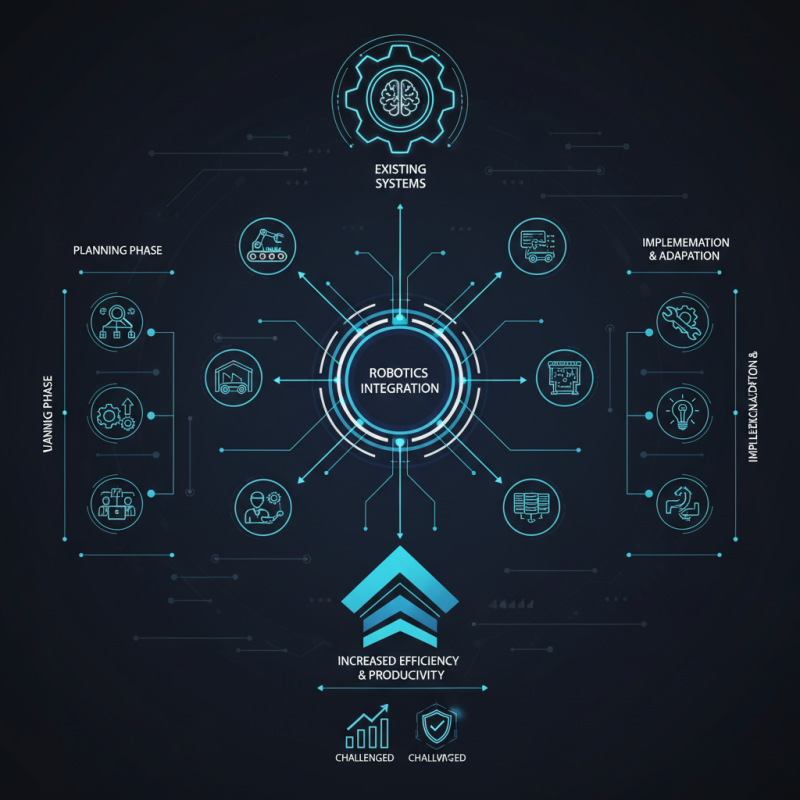
The integration of robotics with existing systems is becoming increasingly essential across various industries. Organizations often face challenges when adapting their traditional processes to incorporate robotic technologies. A thorough understanding of current systems helps identify friction points. These spots may require tailored solutions to ensure smooth integration without disrupting existing workflows.
Adopting robotics involves not only the technology itself but also the organizational culture. Employees may resist changes due to fear of job loss or a lack of understanding. Effective training and clear communication can address these concerns. It’s crucial to involve staff in the transition process. Their insights can lead to more practical implementations.
In addition, assessing current infrastructure is vital. Some systems may need upgrades to support new technologies effectively. Companies might discover that their existing systems are not compatible with advanced robotics. This incompatibility can lead to unexpected costs and delays. Forcing integration without proper analysis can hinder progress. Striking a balance between innovation and stability is essential for long-term success.
| Integration Method | Description | Benefits | Challenges |
|---|---|---|---|
| Open API Integration | Utilizing APIs to connect robotics systems with existing software. | Flexibility, scalability, and enhanced functionality. | Requires technical expertise and ongoing maintenance. |
| Middleware Solutions | Using middleware to facilitate communication between different robotic systems. | Improved interoperability and reduced integration time. | Potential latency issues and dependency on middleware support. |
| Cloud Robotics | Leveraging cloud computing resources for robotic data processing and storage. | Enhanced processing power and data analytics capabilities. | Reliance on internet connectivity and data security concerns. |
| Robotic Process Automation (RPA) | Automating repetitive tasks using robotic software agents. | Increased efficiency and cost savings. | Limited scope and potential job displacement issues. |
| Embedded Systems | Integrating robotics into existing embedded systems such as sensors and devices. | Real-time data processing and immediate responses. | Complexity in design and testing phases. |
: Outdated infrastructure and physical layout often hinder seamless connections for new robotic systems.
Incompatible data formats can prevent systems from communicating effectively, leading to operational bottlenecks.
Employees may lack necessary skills to manage robotics, leading to inefficiency and resistance due to job security fears.
Cobots are designed to work directly alongside humans, enhancing productivity in various industries.
Annual sales of industrial robots could reach 500,000 units due to advances in AI and machine learning.
Organizations must carefully assess their space and possibly make significant upgrades to accommodate robotic systems.
Companies may see productivity gains of up to 30% when integrating collaborative robots into their workflows.
Investing in training programs and fostering a culture of adaptation can help facilitate smoother transitions.
There may be a growing need for skilled workers, and some sectors might struggle to adapt to these changes.
Failing to train staff could lead to operational inefficiencies and heightened resistance to deploying robotic systems.
The article "2026 Best Ways to Integrate Robotics With Existing Systems" explores the critical aspects of robotics integration in various industries. It highlights the current state of robotics, emphasizing key technological advances that are propelling adoption and the practical applications seen in industry-specific case studies. Readers will gain insights into successful strategies for how to integrate robotics with existing systems, which is vital for enhancing operational efficiency.
Additionally, the article addresses the challenges associated with merging robotics into established infrastructures and proposes actionable solutions to overcome these hurdles. Looking ahead, it anticipates future trends and the evolution of robotics by 2026, providing a comprehensive overview of the trajectory and potential of this transformative technology.
