Lunasol Logistics
In today’s competitive landscape, effective supply chain management is crucial for success. Businesses are increasingly seeking innovative solutions. This is where robotics comes into play. Companies can enhance efficiency and reduce costs through automation. But, integrating robotics isn’t without challenges.
Understanding how to implement robotics in supply chain management requires careful planning. It’s essential to evaluate current processes before making changes. Many organizations overlook the importance of training. Employees need to adapt to new technologies. Neglecting their input can lead to resistance and failure.
Automation can streamline operations, yet it demands resource allocation. Investing in technology should be balanced with employee support. Not all robotics solutions fit every business model. Companies must analyze their unique needs. Reflection on these aspects is key to a successful transition.
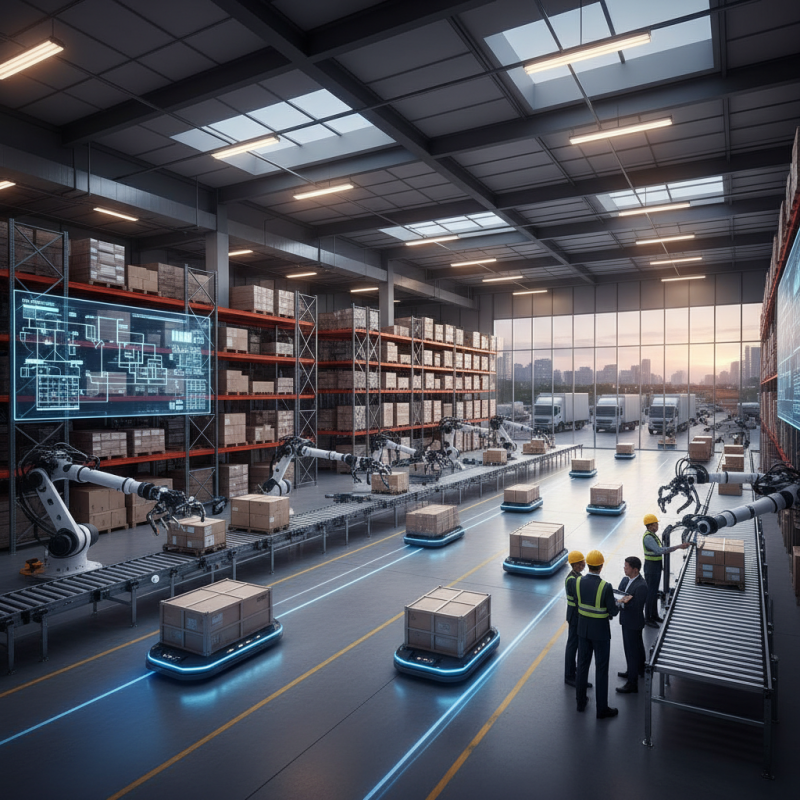
Robotics in supply chain management involves the integration of automated machines in various processes. This can include warehouse operations, inventory management, and transportation. Drones and autonomous vehicles are commonly utilized to streamline these tasks. These technologies improve efficiency and reduce human error.
However, the implementation of robotics isn't always straightforward. Companies must consider the costs of setting up and maintaining robotic systems. Training staff to work alongside robots is also essential. There may be resistance from employees fearing job loss. Addressing these concerns can help smooth the transition.
Effectively defining robotics means grasping its potential and limitations. Robotics is not a one-size-fits-all solution. Each supply chain environment presents unique challenges. Organizations need to evaluate their specific needs and make informed decisions. This reflection can lead to better understanding and more effective use of robotics.
Integrating robotics into supply chain management brings significant advantages. One key benefit is enhanced efficiency. Automated systems can process orders faster than human workers. This leads to shorter delivery times. It can also reduce errors in picking and packing. A robot can operate 24/7, minimizing downtime and maximizing output.
Cost savings are another major benefit. While initial investment in robotics may be high, long-term savings are substantial. Robots reduce labor costs and human error costs. They also lower the risk of workplace injuries by taking on hazardous tasks. Companies often find that their return on investment improves within a couple of years.
However, the implementation of robotics presents challenges. Not all operations are suitable for automation. Existing staff may resist the technology shift. Ongoing training is essential to address these issues. Careful analysis is needed to determine where robots can add value. Balancing automation with human oversight is crucial for success. Organizations must continuously assess their robotic systems to ensure optimal performance.
| Benefit | Description | Impact on Supply Chain |
|---|---|---|
| Increased Efficiency | Robots can operate 24/7 without breaks, significantly increasing throughput. | Reduces cycle time and enhances order fulfillment speed. |
| Cost Reduction | Automation reduces labor costs and minimizes errors, leading to lower operational costs. | Increases profit margins and improves ROI on logistics operations. |
| Enhanced Accuracy | Robots precisely execute tasks, reducing the risk of human error. | Improves inventory accuracy and reduces returns due to mistakes. |
| Flexibility | Robots can be reprogrammed and adapted for different tasks and processes. | Allows quick response to changing market demands and product variations. |
| Safety | Robotic systems handle hazardous tasks, reducing the risk of workplace injuries. | Creates a safer work environment, positively impacting employee morale. |
Identifying areas for robotics implementation in supply chains involves assessing specific operational tasks.
Warehousing is a prime candidate. Robots can streamline inventory management and reduce human error.
For instance, automated guided vehicles (AGVs) deliver items without manual intervention. They transport goods swiftly and efficiently, minimizing delays.
Yet, integration can be challenging. Companies must train staff to work alongside machines, which can create initial tension.
Another area is order fulfillment. Robotics can enhance picking accuracy and speed.
Drones and robotic arms can pick products with precision. This approach can cut labor costs and improve order turnaround time.
However, reliance on robotics raises concerns about system failures. A malfunction could halt operations, resulting in lost revenue.
Regular maintenance and contingency plans are critical.
Lastly, consider customer service aspects. Robotics can automate order tracking and inquiries. Chatbots engage customers efficiently.
Still, this may lack the human touch, leading to frustration. Balancing automation with personal interaction is necessary.
It's essential to evaluate these factors before implementation.
Implementing robotics in supply chain operations can significantly enhance efficiency. A recent report from the McKinsey Global Institute indicates that productivity in warehouses could increase by 40% with automation. However, organizations need to take a structured approach to integration. A critical best practice is to start with pilot projects. This allows for testing robotics in a controlled environment. Assessing outcomes can guide further investments, minimizing risk and enhancing learning.
Training employees is essential. According to a study by Deloitte, 67% of companies reported skill gaps in their workforce when introducing new technologies. Robotics should complement human efforts, not replace them. A balance between technology and human intervention leads to a smoother transition. Regular feedback loops can help identify areas needing improvement. Collaboration among teams can refine processes and address challenges.
Another crucial element is data management. Effective robotics rely on accurate data. Companies must ensure robust systems are in place to analyze performance. It's important to regularly review these systems. Adapting to changing needs in the supply chain can help maintain relevance. Robotics can optimize operations, but they are not a cure-all. Continuous assessment and adaptation are necessary for real success.
The future of robotics in supply chain management is both exciting and complex. As businesses seek greater efficiency, automation is becoming vital. Autonomous robots are set to handle tasks such as inventory management and order fulfillment. These robots can navigate warehouse environments, optimizing storage and enhancing speed. Companies can expect a reduction in errors, as robots follow precise algorithms.
However, implementing robotics isn’t without challenges. While robots can improve efficiency, workforce displacement is a concern. Employees may need retraining to adapt to new technologies. Additionally, integrating robotic systems requires a significant investment. Many organizations face difficulties in justifying these costs. Some may question whether the benefits truly outweigh the financial risks.
Innovation is vital for the sustainable growth of robotics in supply chains. Companies must stay updated on advancements in AI and machine learning. These technologies can enable robots to learn from their environments and make better decisions. Embracing these changes while addressing concerns will be crucial. Future success in supply chain management hinges on balancing technology and human talent.
: Warehousing, order fulfillment, and customer service are prime candidates for robotics implementation.
Robots streamline inventory processes and reduce human error through automated guided vehicles (AGVs).
Robots enhance picking accuracy and speed, cutting labor costs and improving turnaround times.
Yes, system failures can halt operations, resulting in lost revenue. Regular maintenance is essential.
Robotics can automate order tracking and inquiries, but may lack the personal touch, causing frustration.
Integrating robotics requires significant investment and may lead to workforce displacement and retraining needs.
Maintaining advancements in AI and machine learning helps robots make better decisions and adapt efficiently.
Some companies struggle to see if benefits outweigh the financial risks associated with integration.
Companies need to balance technology advancements with the value of human talent in their operations.
Providing thorough training to staff may reduce initial tensions between humans and machines.
The article titled "How To Effectively Use Robotics In Supply Chain Management?" explores the transformative role of robotics within supply chains. It begins by defining robotics in this context and highlights the key benefits of integrating robotic solutions, such as increased efficiency, reduced operational costs, and enhanced accuracy in inventory management. Identifying specific areas for robotics implementation allows businesses to optimize workflows, from warehousing to logistics.
Best practices for implementing robotics in supply chain operations emphasize the importance of thorough planning, employee training, and continuous assessment of technology performance. Furthermore, the discussion on future trends indicates a growing reliance on automation and AI-driven robotics that are poised to redefine supply chain dynamics. By understanding "How To Implement Robotics In Supply Chain Management," organizations can position themselves to leverage these advancements for competitive advantage.
