Lunasol Logistics Lunasol Logistics

How To Enhance Last Mile Delivery Efficiency Using Technology?

Time:2026-06-10 Author:Henry
0%

In today's fast-paced world, the efficiency of last mile delivery has become a critical focus for businesses. Experts agree that technology plays a vital role in this process. One such authority is Emma Johnson, a logistics technology consultant. She once stated, "Leveraging technology can transform the last mile into a competitive advantage." This statement highlights the potential for organizations to improve their delivery systems.

Enhancing last mile delivery efficiency is not just about speed. It also involves accuracy and customer satisfaction. Many companies struggle with optimizing their routes or managing inventory effectively. Technology offers solutions, but it is not a one-size-fits-all answer. For instance, real-time tracking systems can help reduce delays, but they require reliable infrastructure.

Moreover, the integration of AI can streamline operations, yet companies must invest in training staff to use these tools effectively. As organizations consider “How To Improve Last Mile Delivery Efficiency With Technology,” they must weigh these factors carefully. A balance between innovation and practicality is key. Reflecting on these challenges can lead to a deeper understanding of what truly enhances delivery performance.
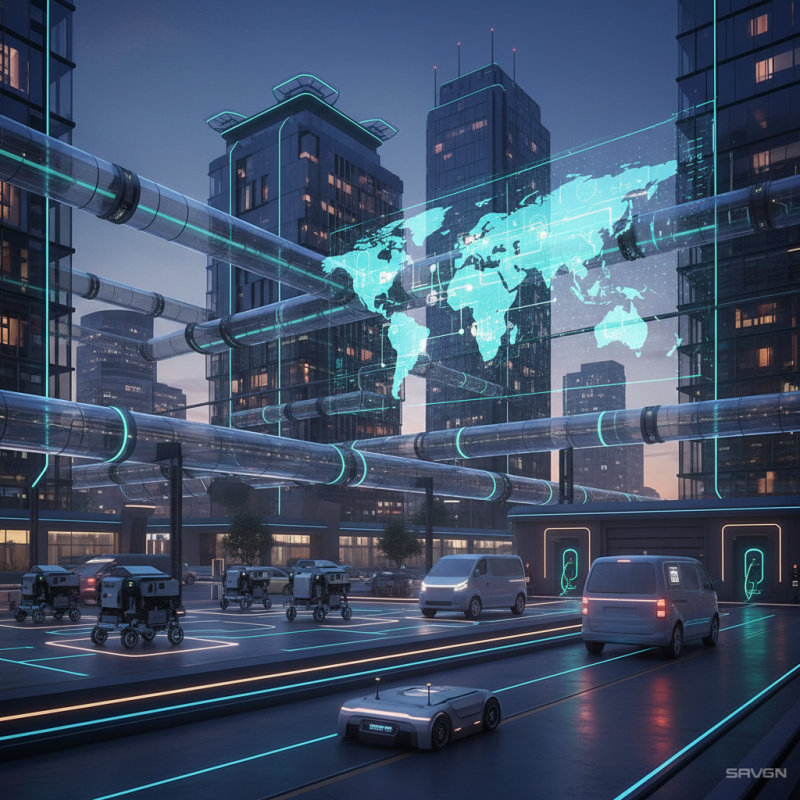
How To Enhance Last Mile Delivery Efficiency Using Technology?

Understanding the Importance of Last Mile Delivery in Logistics

Last mile delivery is a critical component of logistics. It accounts for up to 28% of supply chain costs, impacting overall efficiency. With the rise of e-commerce, the pressure on last mile solutions intensifies. Statistics show that 47% of consumers expect deliveries within two days. This expectation challenges logistics providers to optimize their operations.

Technological advancements can enhance delivery efficiency. Data analytics helps companies predict demand trends. Utilizing route optimization software can reduce fuel consumption and delivery times. A recent report indicates that companies adopting technology can improve delivery speed by 25%. However, not all technology implementations are seamless. Many firms struggle with integration and staff training.

Another key aspect is user experience. Last mile delivery can influence customer satisfaction and retention. Approximately 69% of customers track their packages. Yet, many logistics providers fail to communicate effectively about delays. Clear communication is essential to maintaining trust. By embracing technology while addressing these challenges, the logistics industry can strive for better last mile delivery efficiency.

Leveraging Data Analytics for Route Optimization in Last Mile Delivery

In the world of logistics, last mile delivery remains a challenge. According to a 2023 report by McKinsey, this segment accounts for up to 28% of the total shipping costs. To tackle this issue, data analytics has emerged as a powerful tool for optimizing delivery routes. By analyzing historical data, companies can identify traffic patterns and adjust routes accordingly. This leads to reduced delivery times and improved customer satisfaction.

Leveraging data analytics in route optimization also means considering variables like weather conditions and urban infrastructure. A study highlighted that businesses utilizing predictive analytics can achieve up to a 15% reduction in route inefficiencies. However, not all companies are effectively harnessing these insights. Some fail to update their routing systems in real-time, which can diminish potential savings. Emphasizing the importance of flexibility in logistics is essential.

Moreover, the implementation of advanced technologies, like machine learning, can deepen insights into customer behavior. This provides companies with valuable data for further enhancing delivery efficiency. Still, many companies struggle with data integration. They may have siloed information, which complicates the analytics process. This highlights the need for a more holistic approach to data management to fully benefit from technological advancements.

Utilizing Drones and Autonomous Vehicles for Efficient Deliveries

The rise of drones and autonomous vehicles is reshaping last-mile delivery. A study from McKinsey indicates that these technologies can reduce delivery costs by up to 30%. This is a significant figure given that last-mile delivery often comprises nearly 50% of total logistics costs. Instead of traditional delivery trucks, companies can deploy drones to cover short distances quickly and efficiently.

Drones can navigate urban environments more effectively. They can bypass traffic and take direct routes to delivery points. In 2022, around 60% of surveyed logistics managers expressed interest in integrating drones into their operations. However, there are challenges. Regulatory hurdles and airspace restrictions must be addressed before widespread adoption.

Autonomous vehicles also present a viable alternative. They can operate around the clock, reducing labor costs significantly. According to a study by Forbes, implementing autonomous delivery vehicles can lead to a 40% increase in operational efficiency. Nevertheless, companies must invest heavily in technology and infrastructure. Ensuring safety and reliability remains a pressing concern. Balancing innovation with practical applications is crucial for success in this evolving market.

Implementing Real-Time Tracking Systems for Enhanced Transparency

Implementing real-time tracking systems can significantly enhance last mile delivery efficiency. Such systems provide transparency for both businesses and customers. When a package is dispatched, customers can see its location at any moment. This visibility minimizes anxiety during the waiting period.

Challenges still exist. In some cases, tracking systems may not update as quickly as desired. Customers might experience gaps in information. However, addressing these issues can lead to greater trust in the overall delivery process. Regular feedback from users helps identify improvements for faster updates.

The integration of GPS and mobile technology has transformed logistics. Real-time tracking systems enable a better understanding of delivery patterns. This data can optimize routes and reduce delivery times. Exploring new technologies will be crucial for future enhancements. A thoughtful approach to implementation can yield significant benefits in the long run.

Integrating Customer Feedback for Continuous Improvement in Delivery Services

Customer feedback plays a crucial role in enhancing last mile delivery efficiency. Delivery services must prioritize understanding customer needs. Surveys and feedback forms can provide valuable insights. However, many companies struggle to implement these effectively. The challenge lies in transforming feedback into actionable improvements.

Analyzing customer comments can reveal patterns. For instance, frequent complaints about late deliveries point to potential issues. Sometimes, the root cause may not be apparent. Investigating delays requires a thorough review of logistics operations. This process can uncover inefficiencies that technology alone might not address.

Moreover, regular engagement with customers fosters trust. Companies should encourage open dialogue. Often, customers appreciate when their voices are heard. This engagement can include follow-up calls or personalized messages. The goal is to create a feedback loop. Acknowledging feedback can lead to innovative solutions and a more responsive service. However, organizations must be prepared to address shortcomings too. Ignoring persistent issues can harm their reputation. Embracing a culture of continuous improvement often leads to success in last mile delivery.

Enhancing Last Mile Delivery Efficiency Using Technology

FAQS

: How do drones impact last-mile delivery costs?

: Drones can reduce delivery costs by up to 30%, lowering overall logistics expenses.

What advantages do drones offer in urban areas?

Drones can navigate traffic and take direct routes, improving delivery speed and efficiency.

Is there widespread interest in using drones for deliveries?

Yes, about 60% of logistics managers are interested in integrating drones into their operations.

What are the challenges associated with drone deliveries?

Regulatory hurdles and airspace restrictions present significant challenges before widespread adoption can occur.

How do autonomous vehicles enhance delivery operations?

Autonomous vehicles can operate 24/7, significantly reducing labor costs and increasing operational efficiency by 40%.

What concerns must companies address when using autonomous vehicles?

Safety and reliability remain crucial concerns that companies must prioritize with heavy investments in technology.

How do real-time tracking systems benefit delivery services?

They provide transparency, allowing customers to track packages in real time, reducing anxiety during delivery.

What issues do customers face with tracking systems?

Tracking systems may not always update promptly, leading to potential gaps in information for customers.

How can user feedback improve real-time tracking?

Regular feedback helps identify areas for improvement, enabling faster updates and enhancing customer trust.

Why is exploring new technologies important for delivery efficiency?

New technologies can optimize routes and reduce delivery times, paving the way for future enhancements.

Conclusion

The article "How To Enhance Last Mile Delivery Efficiency Using Technology" explores various strategies to improve this crucial segment of logistics. It begins by underscoring the significance of last mile delivery, which is vital for customer satisfaction and operational efficiency. One effective method discussed is leveraging data analytics for route optimization, helping to reduce delivery times and costs.

Additionally, the use of drones and autonomous vehicles is highlighted as a promising technological advancement that can streamline deliveries. Real-time tracking systems enhance transparency for both customers and logistics providers, fostering trust and responsiveness. Lastly, integrating customer feedback allows for continuous improvement in delivery services, ensuring that the logistics processes remain aligned with consumer expectations. Overall, this comprehensive approach provides insights on how to improve last mile delivery efficiency with technology.

Henry

Henry

Henry is a dedicated marketing professional with a profound expertise in the company's offerings. With years of experience in the industry, he possesses an impressive understanding of the market dynamics and consumer behaviors that drive success. Henry is committed to sharing his insights through......