In recent years, automated warehouses have transformed supply chain management, significantly improving efficiency. However, they also pose unique safety challenges. According to a report by the Occupational Safety and Health Administration (OSHA), the use of automation in warehouses has led to a 20% increase in training-related incidents. This statistic emphasizes the need for safety measures that adapt to changing environments and technologies.
Understanding "How To Improve Safety In Automated Warehouses" is crucial for buyers and warehouse managers. With an estimated 1.5 million industrial accidents reported annually in the U.S., enhancing safety protocols can mitigate risks. Industry experts suggest implementing rigorous training programs and adopting advanced safety technologies to create a safer working environment.
Despite advancements, many automated solutions still lack proper safeguards, leading to potential hazards. Regular assessments and updates of safety protocols are essential. By being proactive, buyers can navigate automation's challenges while prioritizing the welfare of their workforce. Enhancing safety in these environments is not just a goal but an ongoing journey that requires continuous reflection and improvement.
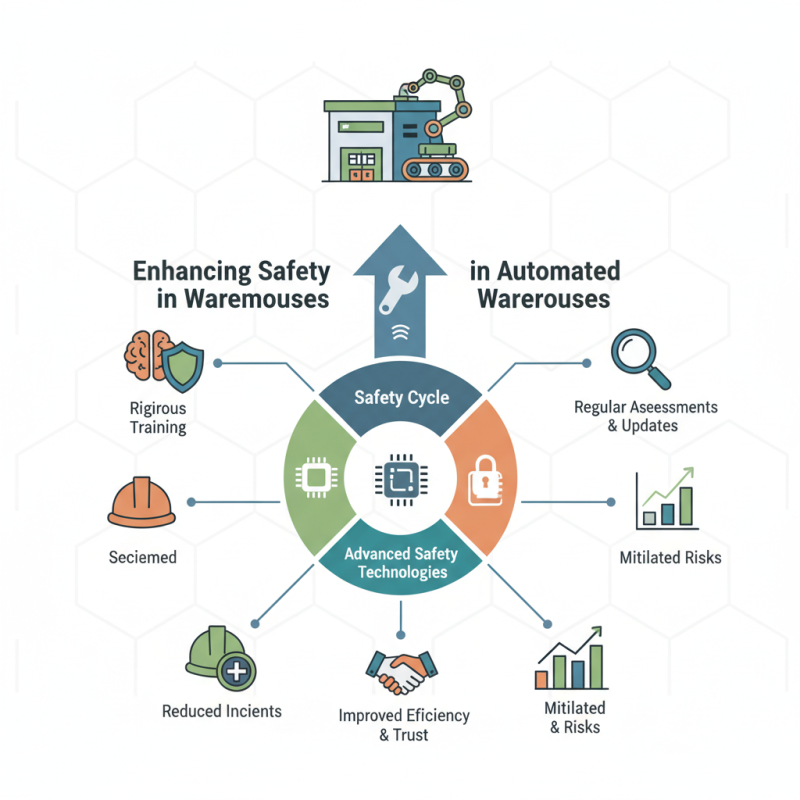
Understanding Potential Hazards in Automated Warehouses
Automated warehouses are transforming logistics, yet they come with inherent risks. Understanding these potential hazards is vital for safety. A report by the Occupational Safety and Health Administration (OSHA) highlights that approximately 20% of workplace injuries occur in warehousing. Automated systems and robots can pose unique dangers, including collisions, equipment failures, and unexpected shutdowns.
Machine malfunctions lead to significant risk. In 2021, a study from the National Institute for Occupational Safety and Health (NIOSH) reported over 50 injuries due to robotic interactions. Workers often feel less vigilant when interacting with automated systems, leading to an underestimation of risks. Training is essential. Employees must be well-versed in emergency protocols to handle sudden equipment failures. Sensory or feedback systems can also reduce accidents, but they are not foolproof.
Moreover, human oversight remains critical in these environments. Despite advances in technology, human errors still account for many safety incidents. A survey revealed that 30% of workers noted insufficient training on safety around automated machines. Regular drills can enhance readiness but require management's commitment. Continuous evaluation of procedures helps identify weak spots in safety measures. This reflective approach is crucial as the industry's reliance on automation grows.
Implementing Advanced Technology for Safety Monitoring
In the evolving world of automated warehouses, ensuring safety is crucial. Advanced technology plays a vital role in safety monitoring. Sensors and cameras can identify hazards in real time. They monitor machinery and human activity, minimizing accidents. For instance, an AI system can analyze movement patterns, predicting potential collisions between workers and machines. This proactive approach enhances overall safety on the warehouse floor.
Another aspect is data analytics. By collecting information about operations, managers can identify trends. They can spot safety issues before they escalate. For example, if data shows frequent near-misses in a specific area, targeted training can be implemented. This method needs continuous evaluation. Sometimes, technology can overlook subtle cues in worker behavior that lead to accidents.
Moreover, employee training on using new technology is essential. Workers should feel comfortable interacting with these advanced tools. Regular drills build familiarity and confidence. Failing to address the human factor can undermine safety efforts. Automated systems can support safety, but people remain the backbone of any warehouse operation. Balancing technology with human oversight is a challenge that requires ongoing reflection and adjustment.
How To Enhance Safety In Automated Warehouses For Buyers? - Implementing Advanced Technology for Safety Monitoring
| Technology |
Safety Features |
Implementation Benefits |
Cost Estimate (USD) |
| Automated Guided Vehicles (AGVs) |
Collision detection, path optimization |
Reduced human error, increased efficiency |
50,000 - 150,000 |
| RFID Tracking Systems |
Real-time inventory tracking |
Minimized stock discrepancies, greater accuracy |
30,000 - 80,000 |
| CCTV Surveillance |
24/7 remote monitoring |
Improved security, quick response to incidents |
10,000 - 40,000 |
| Wearable Safety Technology |
Fall detection, health monitoring |
Enhanced worker safety, real-time alerts |
5,000 - 20,000 per device |
| Environmental Sensors |
Temperature, humidity, gas detection |
Proactive hazard management, improved compliance |
15,000 - 35,000 |
Establishing Comprehensive Safety Protocols and Training
In automated warehouses, safety protocols are vital. Comprehensive training is crucial for employees. According to the Occupational Safety and Health Administration (OSHA), workplace injuries can decrease by 70% with effective training. Yet, many organizations still cut corners. They often overlook essential elements needed for safety guidance.
Training should emphasize risk awareness. Employees must understand how to operate machinery safely. Regular drills can prepare workers for emergencies. Reports suggest that only 30% of workers feel adequately trained for crisis situations. This gap can lead to hazardous environments. Maintaining equipment also plays a role. Studies show that poorly maintained machinery is linked to a 40% rise in accidents.
Safety protocols should cover every aspect, from machine operation to emergency procedures. Real-time feedback systems can enhance safety awareness. Yet, integrating new technology poses its own challenges. Training programs must continually evolve to address these complexities. Often, outdated methods are still in use, leading to inadequate preparedness. Regular assessments and updates on safety protocols are essential for keeping pace with advancements in automation.
Regular Maintenance and Inspection of Automated Systems
Regular maintenance and inspection of automated systems are crucial in enhancing safety in warehouses. According to a report by the National Institute of Standards and Technology (NIST), nearly 40% of automation failures are attributed to poor maintenance practices. Regular checks can significantly boost the reliability of these systems, yet many warehouses overlook this essential practice.
Maintenance schedules should include mechanical inspections, software updates, and safety checks. For instance, the Occupational Safety and Health Administration (OSHA) emphasizes that routine evaluations can reduce accidents by up to 30%. Facilities with established maintenance protocols report fewer injuries and improved operational efficiency. However, challenges remain. Many operators struggle with proper staffing and resources to conduct comprehensive inspections, which can lead to missed issues.
Data shows that investing in regular maintenance reduces long-term costs. A study found that companies save on average 15% in downtime costs when they prioritize inspections. Reactive approaches often lead to larger safety issues and increased financial burdens. While some automated systems seem robust, overlooking their maintenance can be a ticking time bomb. It’s vital for businesses to reflect on their inspection routines and prioritize a culture of safety.
Promoting a Culture of Safety Among Warehouse Staff
Promoting a culture of safety among warehouse staff is essential in automated environments. Research shows that more than 4 million workers are injured annually in U.S. workplaces, many occurring in warehouses. To reduce these incidents, fostering an attitude of safety is crucial. This involves regular training sessions focused on the specific risks associated with automation. For example, workers should be educated on the safe interaction between humans and machinery.
Active engagement from staff can significantly impact safety outcomes. Encouraging employees to voice concerns about potential hazards creates a proactive environment. A study by the National Safety Council indicates that organizations with safety committees report 20% fewer accidents. This reflects the importance of collaboration in identifying risks. Employees should be empowered to suggest improvements in safety protocols, transforming them into stakeholders in the safety culture.
Continuous reinforcement is key to sustaining safety awareness. Incorporating safety reminders into daily routines can help maintain focus. Visual cues, such as signage and digital alerts, keep safety at the forefront. However, organizations must remain vigilant; complacency can lead to oversight. Regular audits and feedback loops ensure that safety practices evolve with the changing warehouse landscape, promoting a culture of accountability among all staff.
FAQS
: Advanced technology identifies hazards in real time. It uses sensors and cameras for monitoring.
AI analyzes movement patterns to predict collisions. It helps prevent accidents between workers and machines.
Data analytics helps identify operational trends. It allows managers to spot potential safety issues early.
If near-misses are frequent in one area, targeted training can address specific hazards effectively.
Workers must be comfortable with advanced tools. Training builds familiarity and enhances safety practices.
Neglecting maintenance can lead to automation failures. Poor practices account for nearly 40% of such failures.
Regular checks, including mechanical and software inspections, should be part of the schedule to enhance safety.
Many operators struggle with staffing and resources. This can result in missed inspections and safety issues.
Regular inspections can save an average of 15% in downtime costs. They also help prevent larger safety issues.
Automated systems support safety, but human monitoring is essential. Balancing both requires ongoing reflection and effort.
Conclusion
In the pursuit of enhancing safety in automated warehouses, it's crucial to understand the potential hazards that such environments present. By identifying risks associated with automation, warehouse managers can implement advanced technology for safety monitoring, ensuring real-time tracking of operations and quick response to incidents. Additionally, establishing comprehensive safety protocols and regular training sessions for employees can foster a deeper understanding of safety measures, minimizing accidents.
Regular maintenance and inspection of automated systems are vital to ensure that all equipment functions optimally and safely. Promoting a culture of safety among warehouse staff further strengthens this initiative, encouraging team members to actively participate in maintaining a safe work environment. By focusing on these strategies, stakeholders can significantly learn how to improve safety in automated warehouses, thus protecting both employees and assets while optimizing operational efficiency.
 Lunasol Logistics
