 Lunasol Logistics
Lunasol Logistics
Lunasol Logistics
Automation is transforming the logistics sector, bringing significant environmental advantages. According to a report by McKinsey & Company, logistics emissions contribute around 7% of global greenhouse gases. As companies strive for sustainability, understanding "What Are The Environmental Benefits Of Automation In Logistics" becomes essential.
Automation optimizes supply chains, reducing fuel consumption and CO2 emissions. A study by the World Economic Forum indicates that adopting automated systems can lower emissions by up to 25%. Advanced technologies, such as AI and IoT, enhance route efficiency, minimizing waste. However, the transition is not without challenges. Companies face high initial costs for automation technology.
Moreover, the implications for workforce dynamics raise questions. While automation increases efficiency, it may also lead to job reductions. Balancing environmental benefits with social responsibility becomes vital. As the industry evolves, future innovations should focus on making logistics greener while considering their broader impact.
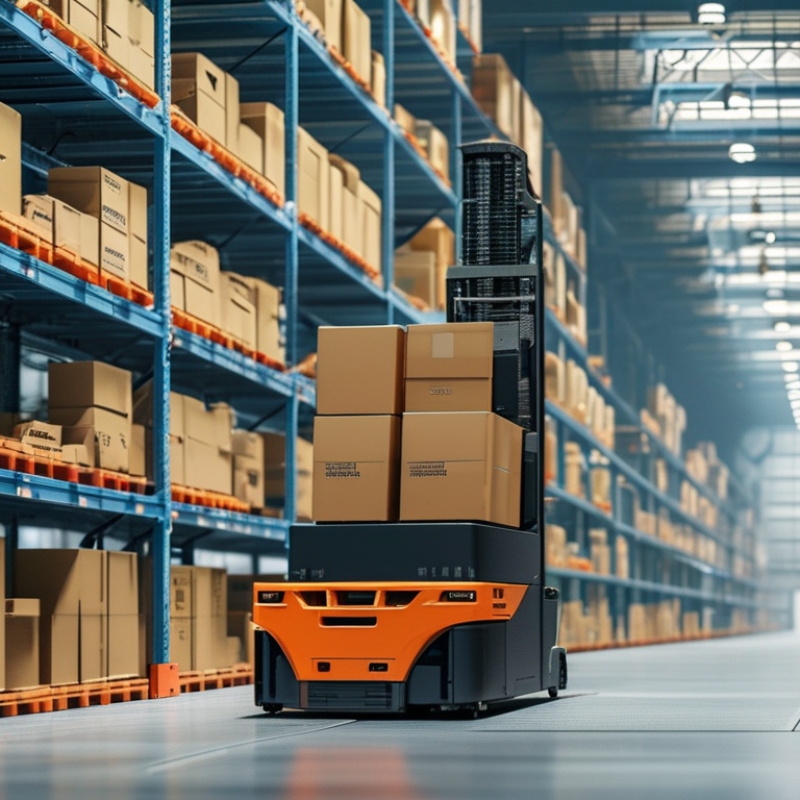
Automation is transforming the logistics industry by enhancing efficiency in supply chains. Automated systems streamline operations, reduce manual errors, and improve speed. For instance, robotic process automation can handle routine tasks such as inventory management and order fulfillment. This leads to faster turnaround times and lower operational costs.
Moreover, automation helps in optimizing transportation routes, resulting in reduced fuel consumption. Less fuel usage directly translates to a decrease in carbon emissions. Drones and autonomous vehicles play a significant role in this aspect as well. Yet, the integration of these technologies presents challenges, such as the need for robust infrastructure and ongoing maintenance.
Human workers may feel uncertain about job security with automation's rise. While efficiency increases, it’s crucial to address these concerns. Organizations should focus on reskilling employees and promoting a culture of continuous learning. Balancing technology with human talent creates a more sustainable logistics environment.
| Benefit | Description | Estimated Impact |
|---|---|---|
| Reduced Carbon Emissions | Automation in transportation and warehousing optimizes routes and reduces idle time. | Up to 20% decrease in carbon emissions. |
| Enhanced Energy Efficiency | Automated systems can operate at peak efficiency, reducing energy consumption. | Potential 30% reduction in energy use in warehouse operations. |
| Waste Reduction | Smart automation minimizes errors leading to less waste and rework. | Up to 25% reduction in operational waste. |
| Optimized Resource Utilization | Efficient allocation of resources helps in better utilization of materials and manpower. | Improvement in utilization rates by 15%. |
| Sustainable Packaging Solutions | Integration of automated packing systems encourages the use of eco-friendly materials. | Reduction in plastic use by 40%. |
| Improved Inventory Management | Real-time data leads to better stock levels, reducing overproduction. | Potential reduction in excess inventory by 35%. |
| Enhanced Supply Chain Visibility | Automation provides real-time tracking, allowing for more responsible sourcing. | Increased transparency leads to better decision-making. |
| Reduced Transportation Distances | Automation enables optimized logistics routes, reducing distances traveled. | Estimated reduction in logistics miles by 15%. |
| Minimal Human Error | Automation reduces the likelihood of mistakes compared to manual processes. | Error rate reduction by up to 50%. |
| Better Compliance with Regulations | Automated systems ensure adherence to environmental regulations more effectively. | Decreased risk of compliance violations. |
: Automation streamlines operations, reduces manual errors, and boosts speed in logistics.
They optimize routes, reducing fuel consumption and lowering carbon emissions significantly.
Yes, workers may feel uncertain about job security. Reskilling is essential for adaptation.
Automated logistics operations can dramatically cut greenhouse gas emissions through better route management.
High initial costs and adaptability issues can make the transition to automation difficult.
No, they require regular monitoring and updates to maintain alignment with goals.
Robots typically minimize energy waste through precise operations, often being more efficient.
Yes, balancing both can reduce over-reliance on technology while maintaining efficiency.
They need to evaluate if the long-term benefits outweigh the initial investment and adaptability challenges.
Regular updates are necessary to ensure efficiency and alignment with changing operational goals.
The article "Top 10 Environmental Benefits of Automation in Logistics" highlights significant ways in which automation can enhance sustainability within supply chains. One major advantage is the enhancement of efficiency, leading to reduced resource consumption and improved productivity. Automated logistics operations also contribute to a reduced carbon footprint by optimizing routes and decreasing fuel usage.
Furthermore, automation helps minimize waste generation in warehousing and distribution, promoting smarter resource management through intelligent systems. This not only streamlines operations but also facilitates sustainable practices in transportation and delivery. In conclusion, the article addresses the critical question, "What Are The Environmental Benefits Of Automation In Logistics," showcasing how these technological advancements can drive greener practices in the logistics sector.
