Lunasol Logistics
In recent years, automation investment in China has seen remarkable growth. Companies are keen to understand what drives this trend. According to Dr. Jian Li, an expert in industrial automation, "The key factors influencing automation investment are efficiency, labor cost, and technological advancement." His insights prompt critical reflection on how these factors interact.
Efficiency is crucial for businesses looking to enhance productivity. Many organizations are automating routine tasks to save time and resources. Labor costs remain a significant concern, especially in industries facing rising wages. Here, automation presents a viable solution. Technological advancements further push the envelope, introducing innovative solutions that redefine operational capabilities.
Yet, amidst this rapid growth, challenges exist. Companies must navigate regulatory environments and assess the right timing for investment. The question remains: What are the key factors in automation investment? As the landscape continues to evolve, understanding these dynamics is vital for companies aiming to stay competitive.
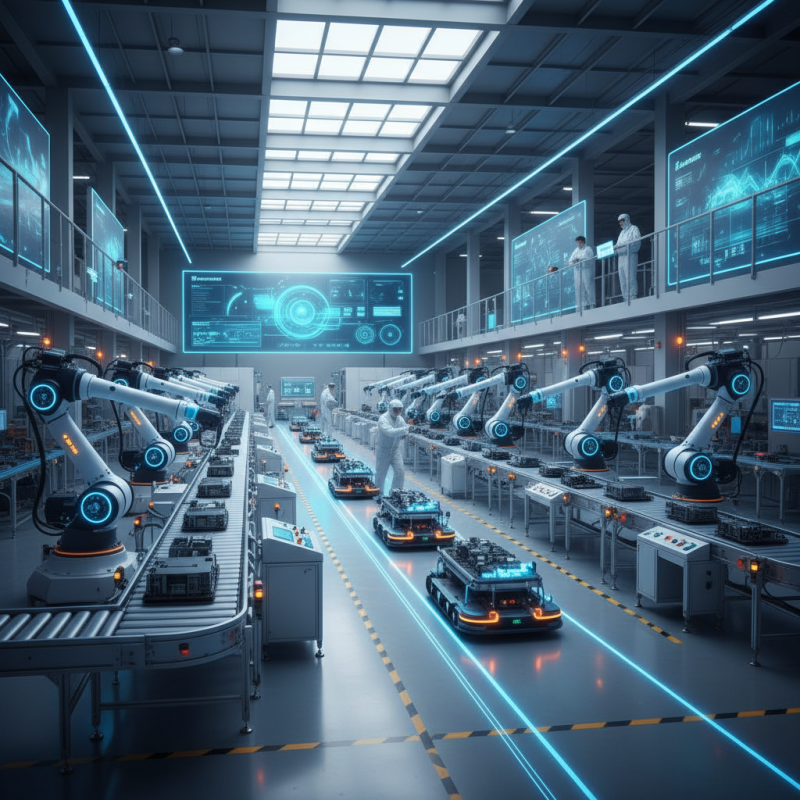
In recent years, automation investment in China has witnessed significant growth. According to a report from the International Federation of Robotics, industrial robot sales in China surged by 20% in 2021 alone. This reflects a broader trend where businesses are increasingly prioritizing automation to enhance operational efficiency. Companies are leveraging advanced technologies to remain competitive, particularly in manufacturing sectors.
The driving factors behind this trend include the need for improved productivity and cost reduction. A survey by Deloitte found that 47% of firms in China plan to increase their automation budgets in the next three years. Additionally, the focus on quality and precision in production processes has led to a rising demand for automated solutions. However, there are challenges to consider. Many companies are still navigating the complex integration of automation technologies into their existing operations.
Notably, the rapid pace of investment raises questions about workforce displacement. While automation has the potential to streamline processes, it also creates a need for reskilling and upskilling workers. Some industry experts suggest that as many as 40% of jobs may be affected in the next decade. Balancing the benefits of automation with the implications for employment remains an ongoing concern for Chinese businesses.
| Investment Factor | Description | Current Investment (% of total) | Projected Growth Rate (2023-2025) |
|---|---|---|---|
| Labor Shortages | Increasing labor costs and shortages of skilled workers. | 25% | 12% |
| Technological Advancements | Rapid innovations in AI, robotics, and IoT. | 30% | 15% |
| Government Policies | Supportive policies aimed at enhancing automation and Industry 4.0. | 20% | 10% |
| Market Competition | Increased competition prompting efficiency through automation. | 25% | 11% |
| Supply Chain Resilience | Need for robust supply chains amidst global disruptions. | 10% | 9% |
Economic factors are increasingly driving automation investment in China. According to recent industry reports, the Chinese automation market is projected to reach $45 billion by 2025. This rapid growth is fueled by a booming manufacturing sector, pushing companies to adopt automated processes for increased efficiency. Labor costs in urban areas are rising, making automation an attractive option for many businesses.
China's GDP growth rate is another compelling factor. In 2022, it grew by 3% despite global economic challenges. This stability encourages companies to invest in technology rather than manual labor. Automation helps businesses maintain productivity levels and reduce dependence on human labor, especially in skilled positions where talent shortages exist. A strong emphasis on innovation further supports this transition.
However, the shift towards automation is not without challenges. Many companies face initial high capital costs and a skills gap in the workforce. Training employees to work alongside automated systems requires time and resources. Moreover, some industries may lag in adopting automation due to regulatory hurdles or traditional practices. These factors underline the need for a balanced approach to integrating technology into China's economic landscape.
Technological advancements are reshaping the automation landscape in China. Innovations in artificial intelligence (AI) and robotics are pivotal. These technologies enhance productivity and efficiency across various industries. Factories equipped with smart robots can reduce labor costs and enhance precision in tasks. AI algorithms can optimize supply chain logistics, ensuring timely production and delivery.
Tips: Start exploring AI tools to identify tasks that can be automated. Understanding these tools can significantly impact your operations.
Sensors and IoT devices further elevate automation opportunities. Real-time data collection and analysis lead to faster decision-making. This technology helps monitor equipment conditions, reducing downtime and maintenance costs. However, companies must invest in cybersecurity to safeguard their systems. A single breach can compromise the entire automation infrastructure.
Tips: Regularly assess your cybersecurity measures. Even small vulnerabilities can lead to significant risks. Prioritize training your staff to recognize potential threats.
Automation is not without its challenges. Adapting to new technologies requires a skilled workforce. Companies must provide training programs to close this skills gap. Not all businesses are ready to transition smoothly, which can hinder progress. Monitoring technological trends is essential to remain competitive in this evolving landscape.
In recent years, China has seen a significant surge in automation investments. Government policies and incentives play a critical role in this growth. The Chinese government has implemented a range of supportive measures to stimulate the automation sector. These include tax breaks, subsidies, and grants for businesses adopting automated technologies.
Policies encourage manufacturers to upgrade their production processes. The "Made in China 2025" initiative focuses on advancing industrial automation. This initiative sets clear goals for integrating smart technologies into manufacturing. However, while these policies provide opportunities, companies must navigate a complex regulatory environment. Understanding the nuances of these regulations is essential for maximizing benefits.
Tips: Stay informed about local and national policies. Engage with industry groups for updates. Regularly assess your automation strategy to ensure alignment with incentives. The landscape is often shifting, making adaptability crucial for success. Mistakes can be costly, but the right information can guide better decisions.
Automation is becoming crucial in various industries across China. Each sector shows unique drivers for adoption. Manufacturing, for example, seeks efficiency. As labor costs rise, companies turn to automation for scaling operations. This shift reduces reliance on manual labor. With the integration of robotics, production lines can operate 24/7, increasing output significantly. However, challenges remain. Workers must adapt to new technologies. Training programs are essential yet often underfunded.
In the retail sector, customer experience drives automation investments. Companies use AI and data analytics to streamline inventory management. Automated checkouts enhance customer satisfaction, reducing wait times. However, certain stores face resistance from older customers uncomfortable with technology. The balance between innovation and tradition requires careful management. Additionally, supply chain logistics benefit from automation. Smart warehouses utilize robotics to meet increasing demands. Despite the advantages, the initial investment can be daunting for smaller businesses. Many struggle to justify the costs without guaranteed returns.
Healthcare has its own set of challenges and opportunities. Recent investments in telemedicine show promising results. Automation aids in patient data management, improving accuracy and care. Yet, cybersecurity vulnerabilities must be addressed to gain patient trust. Overall, industry-specific factors greatly influence the pace and extent of automation investments in China. Each sector grapples with distinct hurdles and potential rewards.
: Automation investment in China is growing rapidly. Industrial robot sales increased by 20% in 2021 alone.
Companies are focusing on improving productivity and reducing costs. Automation enhances operational efficiency across sectors.
About 47% of firms in China plan to boost their automation budgets within the next three years.
Workforce displacement is a key concern. Many jobs may be affected, requiring reskilling and upskilling.
China’s stable GDP growth encourages businesses to invest in technology rather than relying solely on manual labor.
High capital costs and a skills gap are major challenges. Training is essential but often lacks sufficient funding.
Each industry has unique drivers. Manufacturing focuses on efficiency, while retail centers on enhancing customer experiences.
Resistance from older customers can hinder progress. Managing the balance between innovation and tradition is vital.
Automation supports patient data management and improves care. However, addressing cybersecurity is critical for trust.
Smaller companies often struggle with initial investment costs. Justifying expenses without guaranteed returns can be challenging.
In recent years, automation investment in China has surged due to a confluence of factors. Economic elements such as rising labor costs and the need for greater efficiency are propelling companies to seek automated solutions. Additionally, technological advancements, including artificial intelligence and robotics, are enhancing the opportunities for automation, making it more accessible and effective for various industries.
Government policies and incentives play a crucial role in this landscape by providing support for automation initiatives, further driving investment in the sector. Additionally, industry-specific drivers, such as the demand for enhanced productivity and the ongoing shift towards smart manufacturing, are influencing the pace of automation adoption. Overall, these elements collectively address the question, "What Are The Key Factors In Automation Investment," highlighting the dynamic environment fostering growth in China's automation market.
