Lunasol Logistics
The integration of logistics robots in warehousing is transforming the industry. As businesses strive for efficiency, questions arise: What are the benefits of logistics robots in warehousing? These advanced machines enhance productivity in numerous ways. They can operate continuously, reducing downtime. This creates a seamless workflow within warehouses.
Robotics in logistics also improves accuracy. Automated systems significantly minimize human error. They assist in organizing inventory, tracking products more effectively. Consider that a single robot can handle repeated tasks without fatigue. This capability allows human workers to focus on complex operations, enhancing overall effectiveness.
Yet, challenges remain. Not every warehouse is optimized for automation. The initial investment can be substantial. Companies must evaluate their unique needs. Transitioning may involve a learning curve for staff, as adapting to new technology is not always straightforward. Therefore, understanding the full spectrum of advantages and potential obstacles is crucial for maximizing the benefits of logistics robots in warehousing.
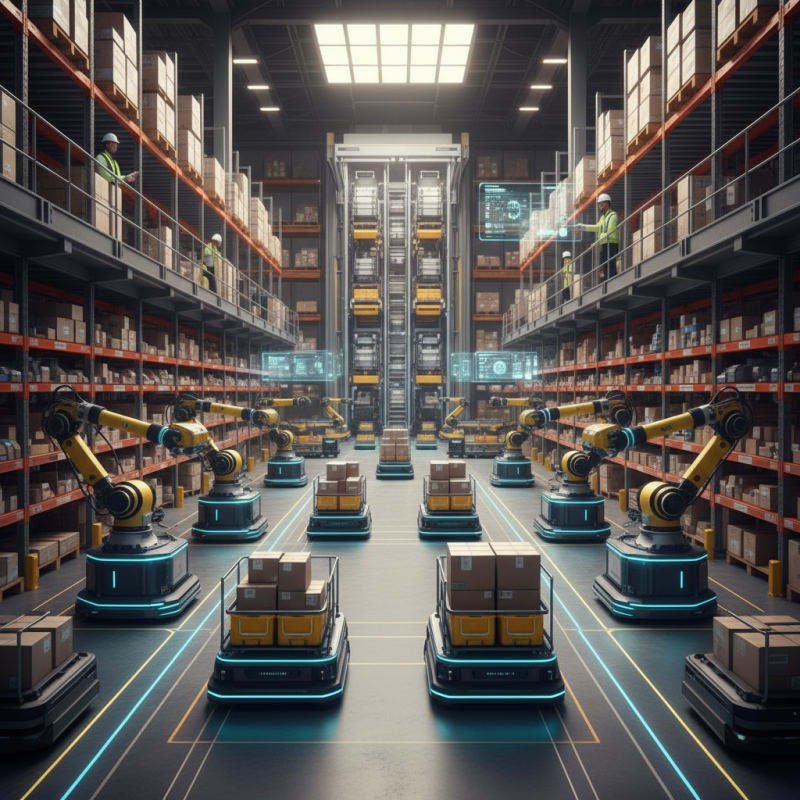
The role of logistics robots in modern warehousing is increasingly critical. These robots streamline operations and reduce human error. They can handle repetitive tasks like sorting and packaging, allowing human workers to focus on complex responsibilities. However, relying too much on technology may lead to skill gaps. Workers might miss opportunities to develop their problem-solving skills.
Robots can enhance efficiency but also create challenges. Integration into existing systems can be difficult. Employees may resist changes, fearing job loss. Training is essential to ensure smooth collaboration between humans and robots. Implementing a gradual transition can ease this process. Still, companies must reflect on their approach to technology.
Data collection is another important aspect. Robots gather insights on inventory management. However, without proper analysis, this data can become overwhelming. Companies need robust systems to interpret this information accurately. Overlooking this can hinder the intended advantages of using logistics robots. Balancing technology with human intuition is vital for success in warehousing.
Robotics in warehouse operations brings significant efficiency and cost-saving benefits. According to a report from Research and Markets, companies that integrate robotics can achieve up to a 30% reduction in operational costs. This reduction stems from increased efficiency and minimized labor requirements. Automating inventory management allows for real-time tracking and improved accuracy, reducing errors in stock levels.
One of the prominent advantages is the consistent handling of repetitive tasks. Machines perform these tasks without fatigue. This leads to more streamlined workflows. However, implementing robotics is not without challenges. Integration requires careful planning and training. Some workers may feel threatened by automation. Balancing technology with a skilled workforce is crucial for seamless operations.
Furthermore, logistics robots significantly enhance order fulfillment speed. A report by the Massachusetts Institute of Technology highlights that robot-assisted operations can increase picking rates by up to 40%. Despite these advantages, ongoing maintenance and potential downtime need consideration. Companies must weigh these factors against the benefits of improved operational efficiency.
Integrating robots into existing logistics systems is both a challenge and an opportunity. Many warehouses face resistance to change. Employees may feel threatened by automation. Clear communication helps address these fears. Training programs are essential for a smooth transition. Employees should understand how robots will enhance their roles rather than replace them.
Evaluating existing workflows is vital. Identify areas where automation can bring real benefits. Start with specific tasks like inventory management. Implement robots in small phases. This allows for adjustments based on initial results. Frequent feedback from staff is crucial. They can provide insights into operational improvements.
Data security must also be considered. Integrating robots can lead to vulnerabilities. Ensure that systems are robust and secure. Regular audits can help maintain reliability. Finding the right balance between technology and human input is key. Continuous improvement should remain a focus. Being open to adapting strategies will lead to long-term success in efficiency and productivity.
As logistics robots reshape warehousing, measuring their impact is crucial. A recent study by McKinsey revealed that automating warehouse processes can boost efficiency by up to 30%. This substantial improvement is largely due to robots handling repetitive tasks, allowing human workers to focus on complex operations.
Implementing robotics does not come without challenges. A survey by PwC found that 54% of organizations face integration issues. Organizations must consider training staff to effectively collaborate with robotic systems. The balance between human and machine tasks is vital for maximizing productivity.
Monitoring performance metrics is essential for continuous improvement. The introduction of real-time analytics can provide insights into operational bottlenecks. Companies that use data-driven methods see a 20% increase in throughput on average. Emphasizing adaptability will be key as technology evolves in warehouse environments.
In 2026, the landscape of warehouse robotics is set to undergo significant transformation. Recent studies indicate that the global warehouse automation market is expected to reach $30 billion by 2026. This growth is driven by the rising demand for efficiency and accuracy in logistics operations. Enhanced robotics tools, like autonomous mobile robots (AMRs) and automated storage and retrieval systems (AS/RS), promise to revolutionize inventory management and order fulfillment.
Robotics innovations come with challenges. While many warehouses report a 30% increase in productivity, integrating these technologies can be complex. Employees may resist working alongside robots due to fears of job displacement. Ensuring a smooth transition requires ongoing training programs. Data from industry reports suggest that companies investing in employee education see a 25% higher retention of skilled labor.
As we look toward the future, the focus on sustainability is also vital. Integrating energy-efficient robots can reduce operational costs and environmental impact. However, addressing the tech's carbon footprint remains a pressing issue. The desire for greener solutions is evident in up to 65% of warehouse operations now prioritizing eco-friendly technologies. Balancing efficiency, employee satisfaction, and sustainability will be crucial in maximizing the benefits of logistics robots.
| Dimension | Current Trends | Future Innovations | Potential Benefits |
|---|---|---|---|
| Automation | Increasing use of autonomous robots for picking and sorting. | Integration of AI for improved decision-making. | Reduced labor costs and increased efficiency. |
| Data Analytics | Current reliance on historical data for operational decisions. | Real-time analytics for dynamic inventory management. | Enhanced accuracy and responsiveness in operations. |
| Collaboration | Automated robots working in tandem with human workers. | Collaborative robots (cobots) for flexible task allocation. | Improved worker safety and productivity. |
| Sustainability | Energy-efficient robots reducing carbon footprint. | Advancements in battery technology and eco-friendly materials. | Cost savings and positive brand image. |
| Scalability | Modular robotic systems in use. | Fully customizable robotics based on varying warehouse needs. | Flexibility to adapt to market demands. |
: Robotics can reduce operational costs by up to 30%. This increase in efficiency comes from minimizing labor needs and automating inventory.
Robots can enhance picking rates by up to 40%. This speed significantly contributes to overall operational efficiency in warehouses.
Resistance to change is common among employees. Some may feel their jobs are threatened by automation.
Training helps workers understand robots enhance their roles. It ensures a smoother transition and reduces fears about job loss.
Companies should evaluate existing workflows. Begin with specific tasks like inventory management before full implementation.
Frequent feedback is crucial for identifying operational improvements. Employees can provide valuable insights on the integration process.
Integrating robots can create vulnerabilities. Companies must ensure robust and secure systems to protect sensitive data.
Yes, maintenance is essential. Companies need to consider potential downtime against the advantages of improved operations.
Continuous improvement is vital. Companies should remain open to adapting strategies while ensuring skilled workers complement robotic systems.
Companies sometimes rush the process without proper analysis. This can lead to missed opportunities for meaningful improvements.
In the rapidly evolving landscape of modern warehousing, logistics robots play a crucial role in enhancing operational efficiency and productivity. What are the benefits of logistics robots in warehousing? They primarily include increased speed and accuracy in inventory management, reduction of manual labor, cost savings, and improved safety standards. By automating repetitive tasks, robots enable human workers to focus on more strategic activities, ultimately driving overall performance.
To maximize these benefits, businesses must develop effective integration strategies that blend robotic technologies with existing logistics systems. Additionally, measuring the impact of robotics on warehouse efficiency is vital to understanding their value. Looking ahead to 2026 and beyond, emerging trends and innovations in warehouse robotics promise to further revolutionize operations, offering new possibilities for efficiency and effectiveness in logistics management.
