Lunasol Logistics Lunasol Logistics

How To Optimize Material Flow In Warehouses For Max Efficiency?

Time:2026-05-09 Author:Charlotte
0%

In today's fast-paced logistics environment, optimizing material flow in warehouses is crucial for operational success. Industry expert Dr. Emily Chen, a recognized leader in warehouse management, emphasizes, "Efficient material flow is the backbone of a well-functioning warehouse." This statement reflects the pressing need for warehouses to prioritize efficiency.

Achieving this optimization requires careful planning and thoughtful implementation. It involves analyzing layout, equipment, and processes. Even small changes can yield significant improvements. For example, reducing unnecessary movements can minimize waste and streamline operations. However, many warehouses overlook these details, leading to bottlenecks and inefficiencies.

The challenge is finding the right balance between speed and accuracy. Areas often need reevaluation. It may seem daunting to rethink established systems, but the effort is essential. By focusing on how to optimize material flow in warehouses, businesses can enhance productivity and reduce costs. Embracing this challenge is the first step towards achieving excellence in logistics.
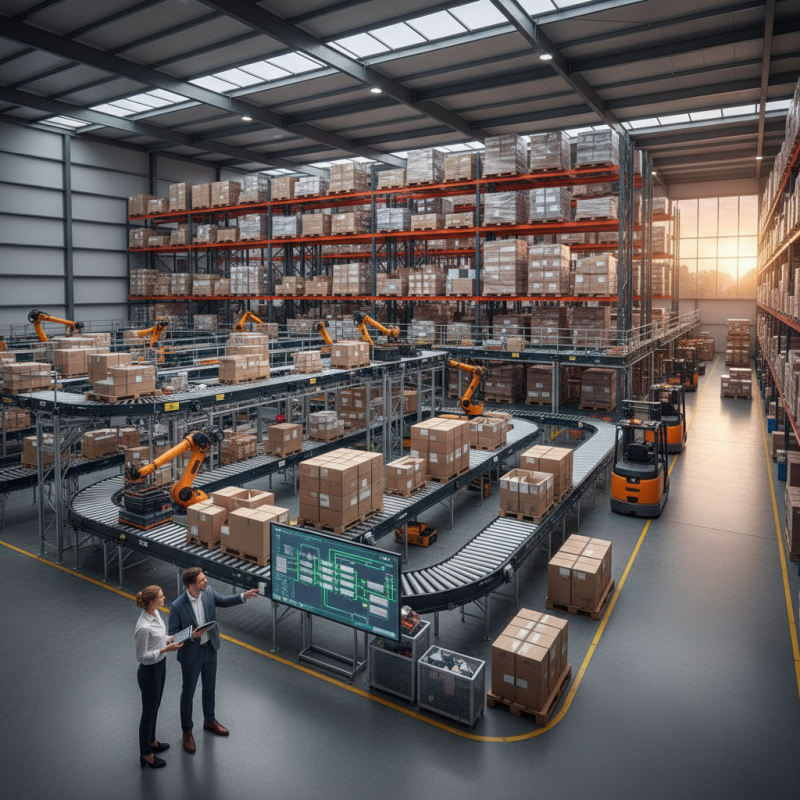
How To Optimize Material Flow In Warehouses For Max Efficiency?

Understanding Material Flow Principles in Warehousing

Understanding material flow principles in warehousing is crucial for maximizing operational efficiency. Material flow refers to the movement of goods from the point of entry to the point of exit in a warehouse. A well-structured flow minimizes handling and storage time. This can significantly reduce costs and improve service levels. An effective layout, with strategically placed workstations and pathways, encourages a smooth flow of materials.

One key principle is the FIFO (first in, first out) method. This ensures older stock is used before newer arrivals. It reduces waste and keeps inventory fresh. Flow charts can help visualize and analyze processes. Identifying bottlenecks is essential for continuous improvement. Sometimes, existing layouts might hinder efficiency, revealing areas that need rethinking.

Emphasizing communication among staff improves coordination throughout the flow process. Regular training ensures everyone understands their role in material handling. However, reliance on technology should not overshadow human judgment. It's essential to strike a balance between automation and personal oversight to maintain quality and responsiveness. Reflecting on these principles can guide improvements, ultimately making your warehouse more efficient.

How To Optimize Material Flow In Warehouses For Max Efficiency?

Dimension Description Impact on Efficiency Optimization Strategies
Inventory Layout Arrangement of goods within the warehouse. Improper layout can cause delays. Use zone picking and strategically place fast-moving items near shipping.
Material Handling Equipment Tools and machines used for moving materials. Inefficient equipment can slow down operations. Regularly maintain equipment and invest in automation.
Order Picking Processes Methods used to retrieve items for orders. Inefficient picking can extend lead times. Implement batch picking and use pick-to-light systems.
Warehouse Management System (WMS) Software that manages warehouse operations. Lack of WMS slows information flow. Use WMS for tracking inventory and optimizing workflow.
Employee Training Education and skills development for staff. Untrained staff can make errors and slow processes. Invest in regular training sessions and skill assessments.

Identifying Key Factors Affecting Material Flow Efficiency

Efficient material flow in warehouses hinges on several key factors. Understanding these can significantly enhance operational performance. According to a 2021 report by the Warehousing Education and Research Council (WERC), optimizing layout and streamlining processes raise efficiency by up to 30%. Warehouse design influences how quickly items can be stored or retrieved. A layout that minimizes travel distance often leads to time savings.

Technology is another crucial element. Implementing automated systems or advanced inventory management software can reduce human error and improve accuracy. Data from the Supply Chain Management Review shows that warehouses utilizing automation experience a 20% increase in productivity. However, the initial investment can be a concern for some businesses. It requires careful consideration of return on investment.

Tips: Analyzing current workflows may reveal inefficiencies. Regularly review procedures. Consider employee feedback about pain points in the process. Prioritize areas for improvement—small changes can yield significant benefits. Consider running pilot tests for new technologies before full implementation. Gathering data from these trials can guide future investments.

Implementing Warehouse Layout Strategies for Improved Flow

Optimizing material flow in warehouses requires thoughtful layout strategies. Efficient warehouse design minimizes travel time and maximizes space utilization. According to the Warehouse Efficiency Report 2022, well-organized layouts can increase picking efficiency by up to 25%. This highlights the importance of strategically placing items based on flow.

One effective strategy involves the use of zoned areas. By grouping similar products together, workers can reduce travel distance. A study by the Logistics Management Group found that a 5% reduction in travel time could lead to a 15% increase in overall productivity. It’s crucial to analyze inventory patterns. High-turnover items should be placed near dispatch areas while slower-moving goods can be positioned further away.

Another vital aspect is the layout's adaptability. Regularly assessing workflow can reveal inefficiencies. Many warehouses fail to adjust layouts as inventory changes, leading to higher operational costs. Implementing flexible layouts can address this issue. Continuous improvement and adaptation will ensure ongoing efficiency and responsiveness in ever-evolving supply chain demands.

Warehouse Material Flow Optimization Analysis

This bar chart illustrates the average time taken (in minutes) for different warehouse processes that affect material flow optimization. By understanding the time spent in each category, we can identify which areas require improvement for maximizing efficiency.

Utilizing Technology for Streamlining Material Movement

In today's rapidly changing warehouse landscape, technology plays a pivotal role in optimizing material flow. A recent study revealed that implementing automated systems can improve efficiency by up to 30%. Automated guided vehicles (AGVs) and conveyor systems streamline material movement, reducing manual handling time.

Real-time data analytics is another crucial element. By utilizing Internet of Things (IoT) sensors, warehouses can monitor inventory levels continuously. A report indicated that companies leveraging IoT data saw a 25% reduction in stockouts. This insight allows managers to make informed decisions about restocking and reordering, leading to smoother operations.

However, it’s important to acknowledge potential pitfalls. Over-reliance on technology can lead to disruptions if systems fail or data inaccuracies arise. Ensuring a skilled workforce that can adapt to these technologies is vital. Smaller warehouses might struggle with implementation costs, creating a barrier to entry. Balancing automation and human oversight is essential for sustained efficiency and effectiveness in material movement.

Evaluating and Adjusting Processes for Continuous Improvement

Evaluating and adjusting processes in warehouse operations is crucial for continuous improvement. Recent industry data shows that optimizing material flow can increase efficiency by up to 25%. Focus on identifying bottlenecks in your receiving and picking areas. Analyzing throughput data can reveal delays in your workflow.


Regular assessments of processes ensure that you adapt to changes in demand. For example, implement pick-to-light systems for faster retrieval of items. This system has been shown to reduce picking errors by 40%. However, it's important to occasionally review these systems for their effectiveness. Are they truly serving your current needs?


Engaging your workforce in these evaluations can provide valuable insights. Employees on the ground often spot inefficiencies that management overlooks. Their feedback is essential to refine processes. A culture of continuous improvement should encourage open communication, as it helps in identifying issues early and devising strategies to address them promptly.

FAQS

: What is material flow in warehousing?

: Material flow refers to the movement of goods within a warehouse. It starts at the point of entry and ends at exit.

Why is the FIFO method important?

FIFO ensures older stock is used before newer stock. It reduces waste and keeps inventory fresh, benefitting overall efficiency.

How can I improve my warehouse layout?

Optimize your layout by minimizing travel time. Group similar products together and evaluate inventory patterns regularly.

What role does communication play in warehousing?

Communication enhances coordination among staff. Regular training ensures that employees understand their roles in material handling.

How often should warehouse processes be evaluated?

Continuous evaluation is essential. Regular assessments reveal inefficiencies and allow for adjustments to meet changing demands.

What is a pick-to-light system?

A pick-to-light system facilitates faster item retrieval. It has been shown to reduce picking errors significantly but requires regular review.

What are zoned areas in a warehouse?

Zoned areas group similar products to reduce travel distance for workers. This design increases productivity and operational efficiency.

Why is flexibility in warehouse layouts important?

Flexible layouts accommodate inventory changes. Adapting designs can prevent operational costs from increasing due to inefficiencies.

How does employee feedback contribute to improvements?

Employees often spot inefficiencies overlooked by management. Their insights are vital for refining processes and fostering a culture of improvement.

What is the downside of relying solely on technology?

Over-reliance on technology can overshadow human judgment. Balancing automation and personal oversight is necessary to maintain quality.

Conclusion

To effectively address the question of "How To Optimize Material Flow In Warehouses," understanding the fundamental principles of material flow is essential. This involves recognizing the key factors that influence efficiency, such as layout, design, and operational processes. By implementing strategic warehouse layout strategies, businesses can enhance movement and reduce bottlenecks.

Additionally, leveraging technology plays a crucial role in streamlining material movement, allowing for automation and real-time tracking. Continuous evaluation and adjustment of these processes ensure that improvements are sustained over time, fostering an environment of ongoing efficiency enhancements. Ultimately, a comprehensive approach to optimizing material flow will lead to increased productivity and reduced operational costs in warehouses.

Charlotte

Charlotte

Charlotte is a seasoned marketing professional with a deep understanding of the company's portfolio and a passion for elevating its presence in the market. With a keen eye for detail and a commitment to excellence, she ensures that our professional blog is regularly updated with insightful articles......