 Lunasol Logistics
Lunasol Logistics
Lunasol Logistics
Technology is dramatically reshaping logistics operations. The industry is not just adopting new tools; it is experiencing a transformation. Companies are reevaluating their processes to remain competitive. But what technologies are transforming logistics operations?
Automation and data analytics play crucial roles. Automated warehouses with robotic systems streamline operations. Data analysis enhances decision-making. However, reliance on technology can also introduce vulnerabilities. Cybersecurity threats are a growing concern as operations digitize.
Moreover, shipping and delivery have improved with real-time tracking. Consumers value transparency and speed. Yet, logistical challenges can arise, such as data discrepancies. It’s vital for businesses to adapt continuously and address these issues. Balancing technology use and operational reliability remains essential for success.
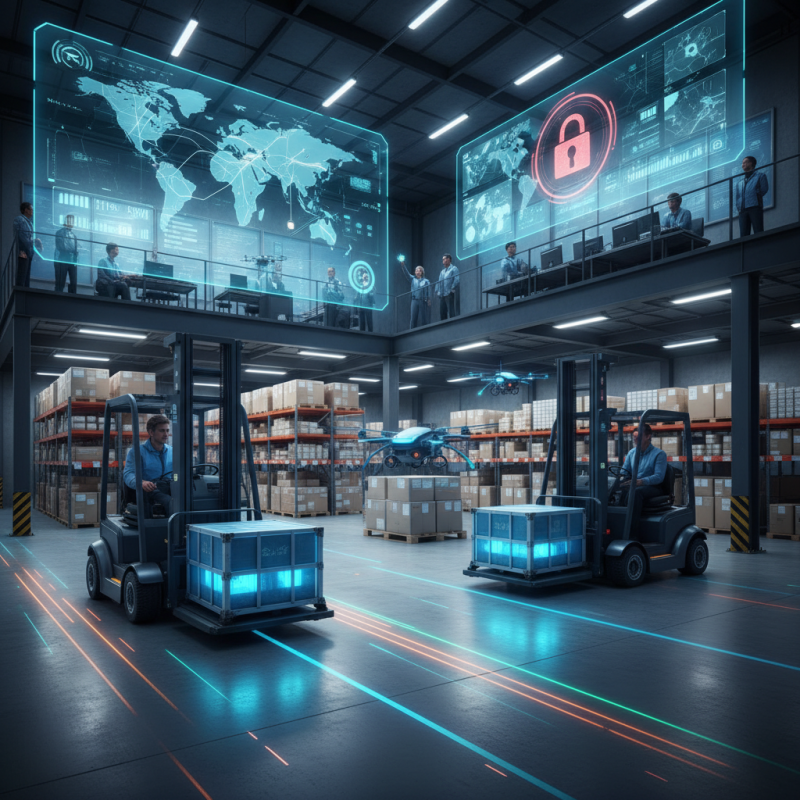
Artificial Intelligence (AI) is transforming logistics operations significantly. According to a report by McKinsey, AI can improve logistics efficiency by up to 15%. Companies are leveraging AI for route optimization, demand forecasting, and inventory management. This technology analyzes vast amounts of data in real-time. The result? Faster deliveries and reduced operational costs.
One practical tip for logistics managers is to invest in AI-driven software. This helps predict delays and optimize routes. Research from Gartner suggests that organizations using AI can cut transportation costs by 10% or more. However, implementing AI requires careful planning. Not every solution fits all companies. A strategy that works for one may not suit another's unique needs.
Another point to consider is data quality. Poor data can lead to misleading insights. A report from Deloitte warns that 30% of data analysis projects fail due to inadequate data quality. Regular audits and data cleaning sessions can mitigate this risk. Keeping a pulse on data integrity is crucial for AI success.
| Logistics Function | AI Application | Efficiency Gains | Cost Reduction (%) |
|---|---|---|---|
| Inventory Management | Predictive Analytics | 20% Increase | 15% |
| Route Optimization | Machine Learning Algorithms | 25% Improvement | 10% |
| Supply Chain Visibility | Real-time Data Tracking | 30% Enhancement | 12% |
| Demand Forecasting | AI Models | 15% Increase | 5% |
| Warehouse Automation | Robotics | 40% Efficiency | 20% |
I improve logistics efficiency?
It helps predict delays and optimize routes, ultimately accelerating deliveries and reducing costs.
No, AI solutions vary. A strategy effective for one company might not work for another.
Poor data quality can lead to misleading insights. Regular audits are essential for effective AI use.
Data analytics allows companies to make informed decisions, reduce costs, and identify supply chain bottlenecks.
Yes, over-reliance on data can overlook unique situations. A balance with human intuition is necessary.
Historical data reveals trends, but not every dataset provides a complete picture. Critical review is vital.
This mindset helps navigate complexities and enhances logistics operations over time.
Data privacy concerns and accuracy issues can hinder the effectiveness of data-driven insights.
They should blend data-driven insights with human judgment to avoid pitfalls of blind reliance on algorithms.
The logistics industry is undergoing a significant transformation driven by various technologies reshaping operations. Key advancements such as artificial intelligence (AI) enhance efficiency by enabling smarter decision-making and predictive analytics. Automation and robotics streamline supply chain processes, reducing human error and increasing productivity. Furthermore, the Internet of Things (IoT) plays a crucial role in real-time tracking and inventory management, allowing businesses to monitor assets and optimize stock levels effectively.
Blockchain technology contributes to greater transparency within logistics operations by creating immutable records of transactions, fostering trust among stakeholders. Additionally, data analytics tools empower logistics managers to analyze trends and improve operational strategies. Through these innovations, the question arises: What Technologies Are Transforming Logistics Operations? Clearly, the intersection of AI, automation, IoT, blockchain, and data analytics proves fundamental in revolutionizing the logistics landscape today.
