Lunasol Logistics Lunasol Logistics

Top Innovations in Warehouse Robotics You Should Know?

Time:2026-06-26 Author:Aria
0%

The landscape of warehouse robotics is rapidly evolving. These innovations are reshaping how warehouses operate. Businesses must stay informed about cutting-edge developments. What are the latest innovations in warehouse robotics? Understanding these advancements is crucial for enhancing efficiency and productivity.

One major trend is the integration of artificial intelligence. AI can optimize routing and storage systems. It allows robots to learn from their experiences, improving performance over time. Collaborative robots, or cobots, are another exciting innovation. They can work alongside human employees, increasing safety and flexibility in operations.

However, not all innovations are flawless. Some robots struggle with complex environments, leading to inefficiencies. Additionally, implementation costs can be high, which may deter some businesses. Despite these challenges, the potential benefits of warehouse robotics are significant. Companies committed to innovation must adapt and refine their approaches to fully embrace this technology.
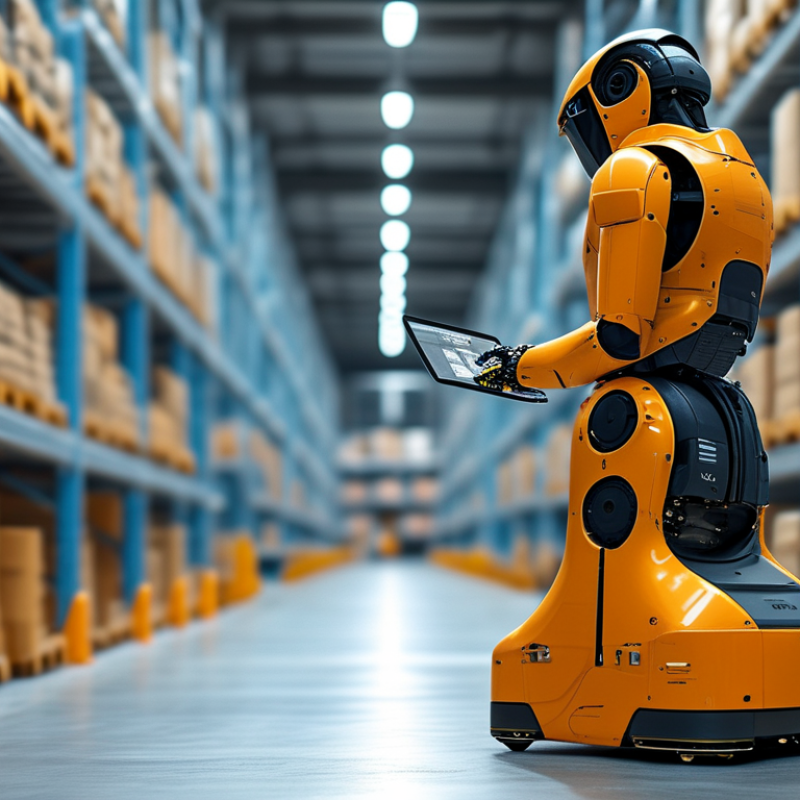
Top Innovations in Warehouse Robotics You Should Know?

Emerging Trends in Warehouse Robotics Technology

Warehouse robotics is rapidly evolving, driven by advancements in technology and the need for efficiency. According to the Global Robotics Report 2023, the warehouse robotics market is expected to reach $16 billion by 2025. This growth is fueled by increased demand for automation and labor shortages.

One emerging trend is the use of collaborative robots, or cobots. These robots work alongside human workers, enhancing productivity without full automation. They can handle tasks like picking and sorting, which can reduce operational costs. However, integrating cobots into existing workflows can be challenging, requiring careful planning and training for staff.

Another notable trend is the rise of autonomous mobile robots (AMRs). These machines navigate warehouse environments and transport goods efficiently. A report by Robotics Business Review indicates that AMRs can lower operational costs by 20% while increasing throughput. Yet, their implementation demands an upfront investment that may not suit all facilities. Balancing these technologies' benefits against the costs remains an ongoing dilemma for many businesses in the sector.

Top Innovations in Warehouse Robotics You Should Know

Innovation Description Benefits Emerging Trend
Automated Guided Vehicles (AGVs) Robots that navigate warehouses autonomously to transport goods. Increased efficiency and reduced labor costs. Greater flexibility in warehouse operations.
Collaborative Robots (Cobots) Humanoid or human-like robots that work alongside human workers. Enhanced productivity through teamwork. Adoption of human-robot collaboration.
Robotic Picking Systems Automated systems for picking items from shelves for fulfillment. Increased accuracy and speed in order fulfillment. Integration of AI and machine learning in logistics.
Drones for Inventory Management Use of drones for real-time inventory counting and surveillance. Reduction of inventory discrepancies and improved stock management. Rise of aerial technologies in warehouses.
Warehouse Management Software (WMS) Software solutions that optimize warehouse operations. Improved visibility and control over inventory and processes. Adoption of cloud-based systems for scalability.

Autonomous Mobile Robots: Revolutionizing Warehouse Operations

The rise of Autonomous Mobile Robots (AMRs) is transforming warehouse operations across industries. A recent report from the McKinsey Global Institute indicates that implementing AMRs can increase warehouse efficiency by up to 30%. These robots navigate complex environments independently, reducing the need for manual labor while optimizing processes like inventory management and order fulfillment.


Data from the International Federation of Robotics shows a growing trend in the deployment of AMRs. In just a few years, the number of AMRs utilized in warehouses has increased by over 50%. These robots not only save time but also minimize the risk of human error. However, integrating AMRs is not without challenges. Companies must invest in advanced infrastructure and staff training to maximize their benefits. There are also concerns about job displacement, which necessitate a balanced approach.


Efficiency gains are significant, but they also raise questions. Are companies ready for this shift? Transitioning to a robotic workforce requires strategic planning. Balancing technology with human capabilities is crucial. While AMRs promise increased productivity, companies must reflect on their long-term impact on operational dynamics.

Collaborative Robots: Enhancing Human-Robot Interaction in Warehousing

Collaborative robots, often called “cobots,” are transforming warehousing operations. These robots work alongside human workers, enhancing efficiency and safety. Cobots can handle repetitive tasks, freeing up human staff for more complex duties. This shift leads to a more versatile workforce, capable of adapting to various challenges.

The interaction between humans and cobots is key. Workers must feel comfortable working alongside machines. Training programs should focus on this aspect. Employees need to understand the robots’ capabilities and limitations. Miscommunication can lead to accidents or inefficiencies. Regular feedback from workers is essential for improvement.

While cobots enhance productivity, there are challenges. Some workers may feel threatened by these technologies. It is crucial to foster a culture of collaboration. Regular assessments can help address concerns and improve integration. Finding a balance between technology and the human touch is vital.

Inventory Management Solutions: AI and Robotics Integration

In recent years, the integration of AI and robotics in inventory management has transformed warehouse operations. According to a report by McKinsey, companies that implement AI-based systems can improve their inventory accuracy by up to 30%. This accuracy helps in reducing overstock and stockouts, saving companies money.

AI-powered robotics streamline processes such as picking and sorting. These systems learn from patterns to optimize workflows. For example, robots can analyze historical data to predict which items are likely to be in high demand. This proactive approach minimizes delays and enhances customer satisfaction. However, lack of human oversight can lead to errors in decision-making.

Furthermore, a study by Gartner indicates that nearly 50% of organizations struggle with tool integration. The challenge is aligning new technologies with existing systems. This can create friction and lead to inefficiencies. It's vital for businesses to address these integration issues to reap the full benefits of AI and robotics.

Top Innovations in Warehouse Robotics You Should Know

Storage and Retrieval Systems: Innovations Transforming Logistics Efficiency

Warehouse robotics is transforming logistics, particularly in storage and retrieval systems. According to a report by the Warehousing Association, over 80% of warehouses have implemented automation solutions. These innovations streamline processes, improve accuracy, and enhance overall efficiency. Automated guided vehicles (AGVs) and autonomous mobile robots (AMRs) have significantly reduced the time required for inventory management.

However, relying on robots introduces challenges. For instance, maintenance is crucial for operational success. A study from the Logistics Research Institute found that up to 30% of operational downtime in automated systems arises from technical failures. Companies must invest in training for their staff to handle these technologies effectively.

**Tips:** Regular maintenance schedules can mitigate risks. Encouraging employee feedback can help identify trouble spots too. Continuous monitoring of automated systems ensures smoother operations and less downtime, leading to better performance in logistics.

FAQS

: What is the impact of

utonomous Mobile Robots on warehouse efficiency?

How do AMRs navigate their environment?

Autonomous Mobile Robots navigate complex environments independently, reducing manual labor needs.

What are some benefits of using AMRs in warehouses?

AMRs save time and minimize the risk of human error in operations.

Are there any challenges in integrating AMRs?

Yes, companies need to invest in infrastructure and training to maximize AMRs' benefits.

What concerns do businesses have regarding AMRs?

Many worry about potential job displacement due to increased automation.

How does AI improve inventory management?

AI-based systems can improve inventory accuracy by up to 30%, reducing overstock and stockouts.

What processes do AI-powered robotics streamline?

They optimize picking and sorting processes, enhancing workflow efficiency.

What issues arise from integrating new technologies?

Many organizations struggle with tool integration, causing friction and inefficiencies.

What can happen without human oversight in robotics?

Lack of oversight may lead to errors in decision-making during operations.

How should businesses prepare for the shift to automation?

Companies must plan strategically to balance technology use with human capabilities.

Conclusion

The landscape of warehouse operations is undergoing a significant transformation, driven by the latest innovations in warehouse robotics. What are the latest innovations in warehouse robotics? Emerging trends highlight the rise of Autonomous Mobile Robots (AMRs), which are reshaping how goods are transported and processed within warehouses. These robots enhance efficiency and reduce human error, allowing for smoother operations.

Furthermore, collaborative robots, or cobots, improve human-robot interaction by working alongside human workers, boosting productivity and safety. Additionally, the integration of artificial intelligence with robotics offers advanced inventory management solutions, ensuring accurate stock tracking and streamlined operations. Innovations in storage and retrieval systems are also enhancing logistics efficiency, making warehouses smarter and more adaptable to changing demands. Together, these advancements signify a new era in warehouse management that leverages technology for optimal performance.

Aria

Aria

Aria is a dedicated marketing professional with a deep passion for innovative strategies and a keen understanding of our company's product offerings. With a wealth of experience in the industry, Aria excels at crafting engaging content that highlights the unique features and benefits of our......