Lunasol Logistics
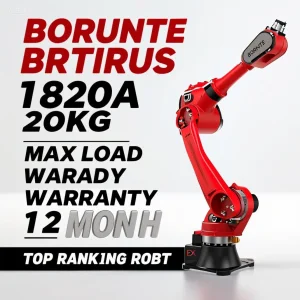
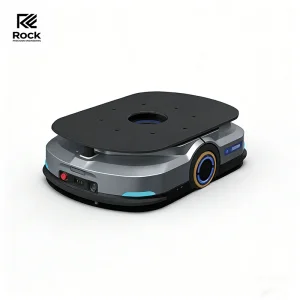
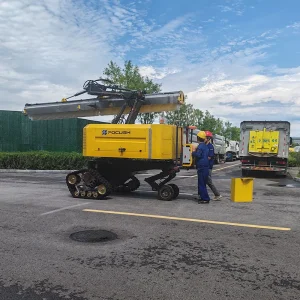
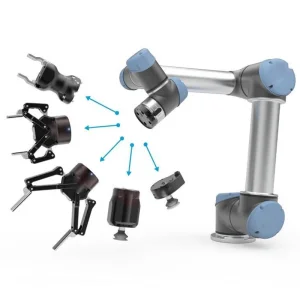
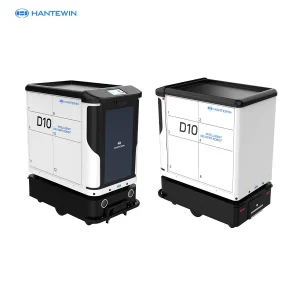
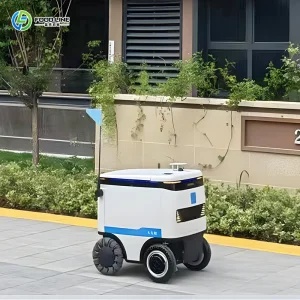
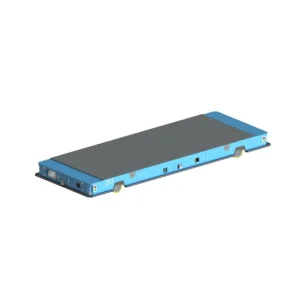
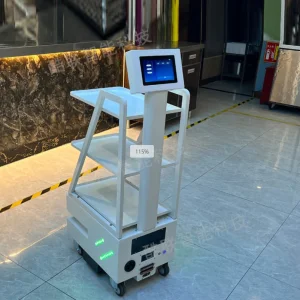
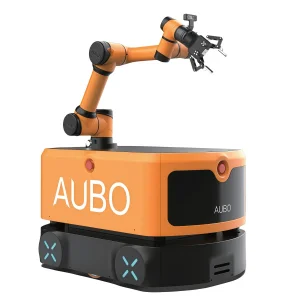
The first eight product routes below preserve the original titles, images, and product URLs. They illustrate the breadth of China’s AI material handling supply base, from robotic sorting and high-precision AMR transport to autonomous delivery, security robots, collaborative palletizing, and heavy-load AGV platforms.
The global material handling industry is moving from fixed mechanization toward adaptive, data-driven flow infrastructure. AI is not a cosmetic feature layer; it changes how material handling systems perceive their environment, coordinate fleets, recover from exceptions, and integrate with warehouse management systems, manufacturing execution systems, and enterprise resource planning platforms.
Demand is being pulled by several forces at once: labor availability and safety expectations, high-mix and low-volume production, e-commerce order profiles, energy and uptime pressure, traceability requirements, and the need to reconfigure production lines without heavy civil works. In factories and logistics hubs, buyers increasingly evaluate AI material handling by decisions per hour, uptime under real traffic, integration effort, and total lifecycle cost rather than by a single robot specification.
China is a particularly important market for this transition because it combines large-scale manufacturing, dense logistics networks, a deep component supply chain, and multi-industry testing grounds. The country’s suppliers are no longer only offering basic transfer carts; many are building integrated product routes that combine AGV and AGC platforms, industrial robots, automated production lines, controllers, sensors, lithium battery management systems, and online charging systems.
Semantic search context: buyer queries for “Top China AI In Material Handling Manufacturers & Suppliers” often sit between research and procurement. They require entity-rich answers covering AGV, AMR, AGC, laser navigation, robotic sorting, palletizing, heavy-load transfer, battery management, charging, safety, software integration, and after-sales service.
A supplier list alone does not satisfy commercial investigation. The page must answer four intent layers: what AI material handling is, which China manufacturers and suppliers are credible, which product route fits a specific flow, and how to verify delivery capability before signing a contract.
Definitions and system logic: AGV versus AMR, AGC guidance, laser navigation, AI vision, fleet scheduling, digital twin, battery management, and online charging.
Comparison of China AI material handling manufacturers and suppliers by load range, safety architecture, integration capability, reference industries, and service model.
Product-specific routes such as a 20t battery transfer cart AGV, 600kg autonomous mobile robot, AI package sorting system, or palletizing collaborative robot.
Evidence of after-sales capability, spare parts, remote diagnostics, safety documentation, interface testing, acceptance criteria, and data governance obligations.
China’s advantage is not only cost. It is the density of application scenarios, the speed of component iteration, and the ability to combine heavy mechanical engineering with control electronics and software. For international buyers, the practical question is how to separate true system capability from catalog-level automation.
Automotive, logistics, warehousing, shipbuilding, iron and steel metallurgy, special vehicles, high-speed rail, subway, injection molding, and electronics create demanding validation environments.
AGV guidance controllers, guidance sensors, lithium battery management systems, and online charging systems are central to uptime, safety, and lifecycle economics.
Load coverage from 0.5 tons to 100 tons enables use cases beyond light warehouse AMRs, including battery transfer carts, heavy lifting, and industrial line-side logistics.
Modern suppliers must connect equipment with WMS, MES, ERP, safety systems, traffic-control rules, and remote service platforms rather than deliver isolated machines.
Overseas projects require language localization, voltage adaptation, documentation, spare-parts planning, training, and service escalation paths across time zones.
Buyers should require factory acceptance tests, site acceptance tests, load tests, safety checks, network tests, and documented exception-handling procedures.

Daian Lunasol Logistics Technology Co., Ltd. is located in Dalian City. Our company focuses on R&D, production, sales, technical support and after-sales service in the fields of automation and robotics. The main products include: AGV and AGC automatic guided vehicles, industrial robots, automated production lines, etc. Our product line covers light-duty handling robots from 0.5 tons, medium-heavy lifting robots from 2 tons to 5 tons, and heavy-duty handling robots from 5 tons to 100 tons. Product categories include latent traction AGV, roller AGV, lift AGV, traction AGV, load-bearing AGV, forklift AGV, medium and heavy-duty linkage AGV.
Our products serve the automobile, logistics and warehousing, shipbuilding industry, iron and steel metallurgy, special vehicles, high-speed rail and subway, injection molding, electronics and other industries. High-quality cooperation units include FAW Flag, CIMC Group, Yada New Materials, Zoomlion, Russia Federal Railways etc.
Our company has researched foreign advanced technology and conducted independent research and development. It has mastered the core technology of the product and has independent intellectual property rights. It has developed the core components of AGV, AGV guidance controller, AGV guidance sensor, lithium battery management system, and online charging system, becoming a domestic technology-based enterprise with advanced technology and complete products.
Let us go all out to be the leader of the new generation of smart devices.
Our products serve the automobile, logistics and warehousing, shipbuilding industry, iron and steel metallurgy, special vehicles, high-speed rail and subway, injection molding, electronics and other industries.
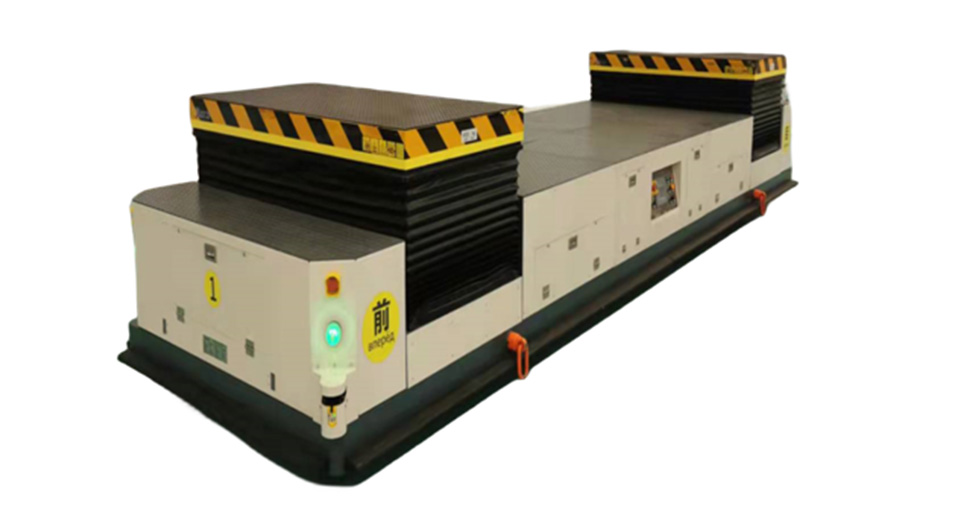
The piggyback AGV adopts a load-bearing body structure, which can be used to support workpieces and travel in all directions, enabling easy transportation of goods in various workshops or workstations. Multiple backpack AGVs can be used together to form an assembly line, replacing the assembly line and forming a flexible production line.
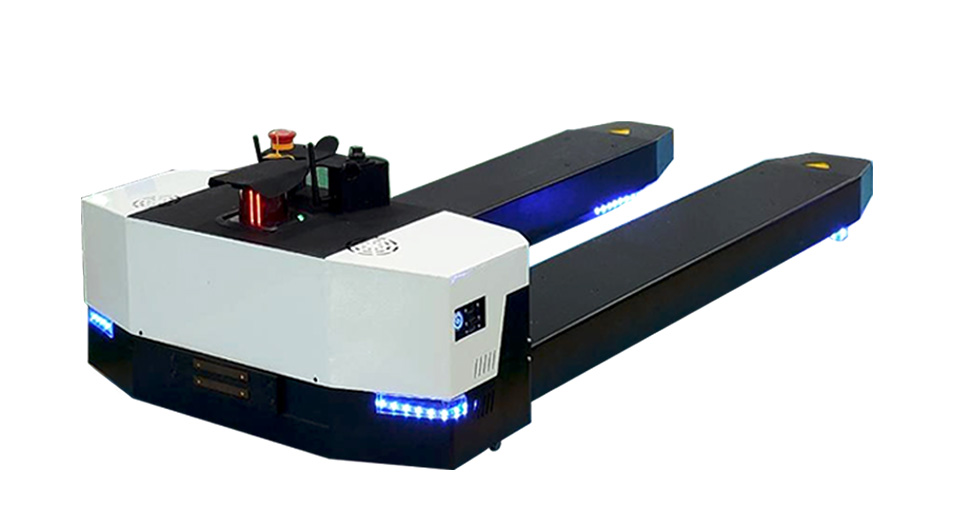
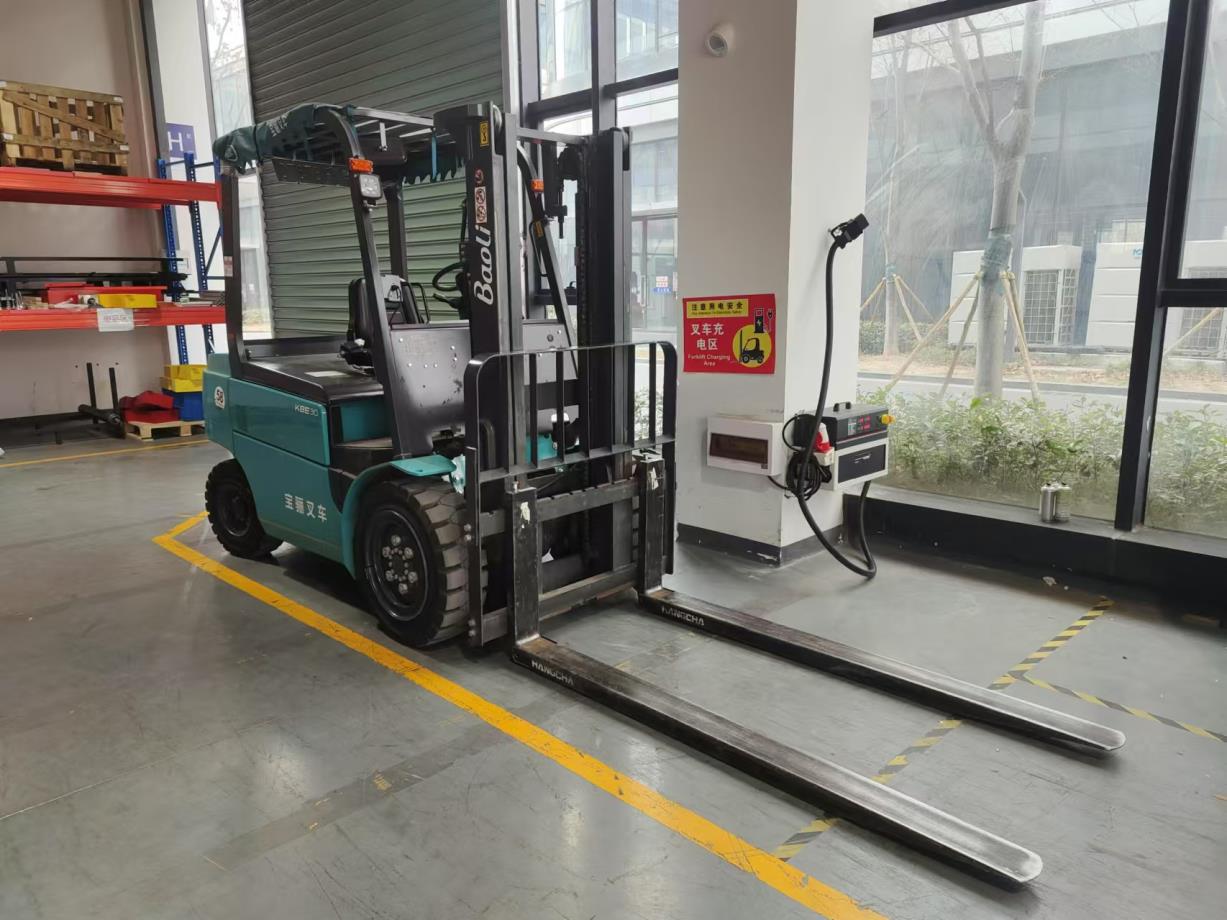
Forklift-type AGVs are widely used in fields such as heavy object lifting and heavy object transportation. They have a small turning radius and low requirements for channel size.
High-quality cooperation units include FAW Flag, CIMC Group, Yada New Materials, Zoomlion, Russia Federal Railways etc.
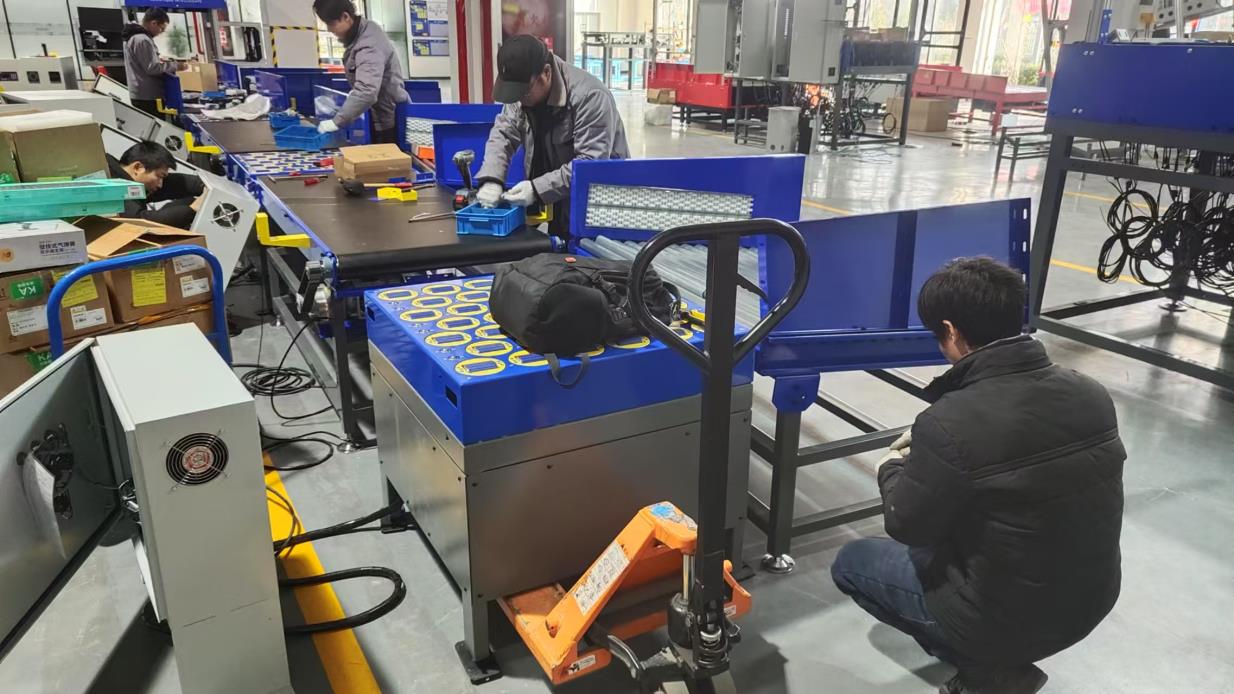
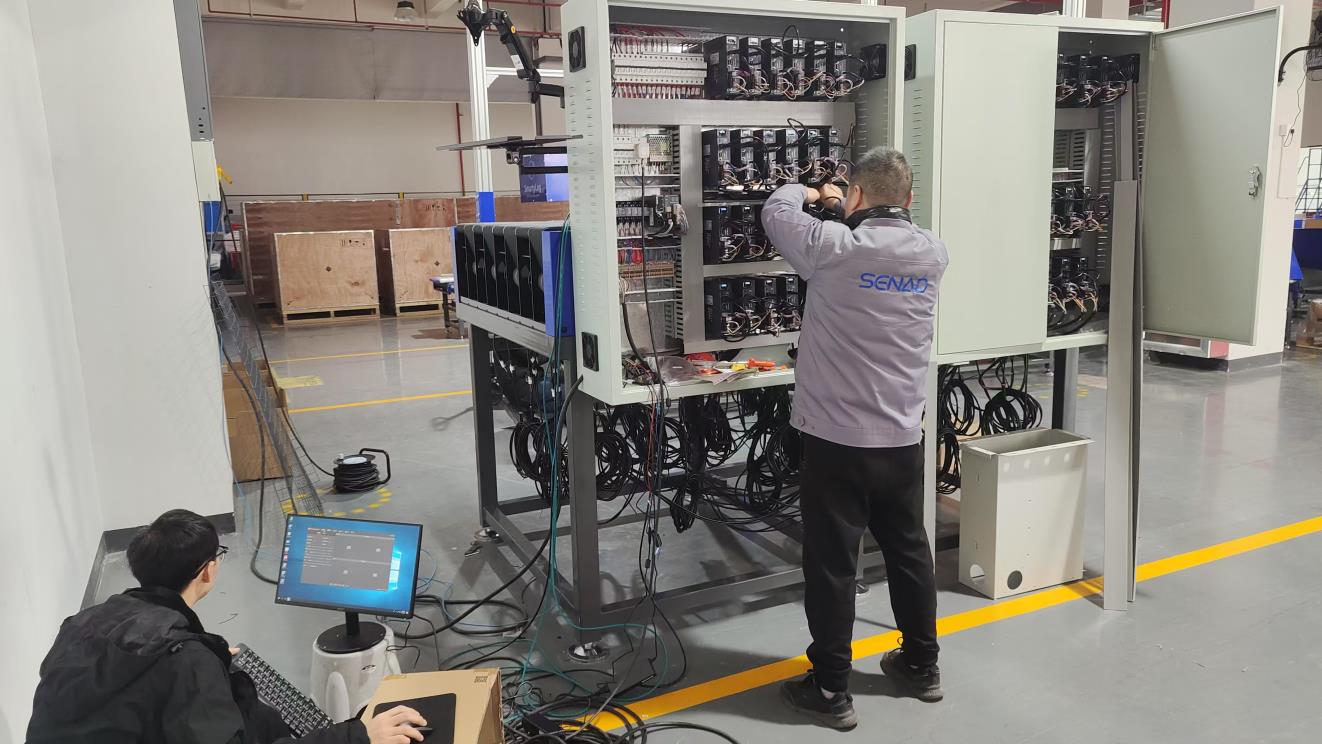
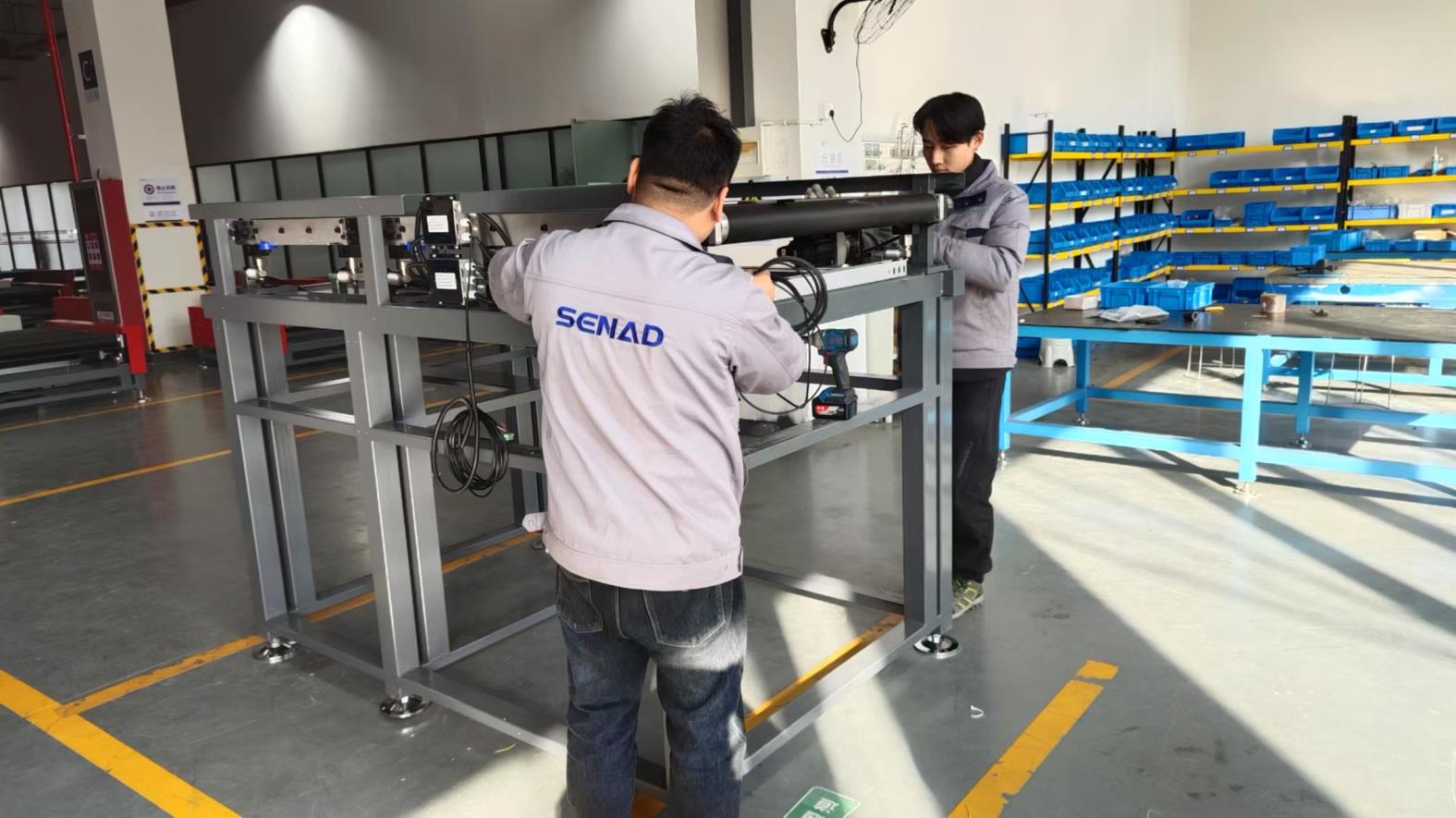
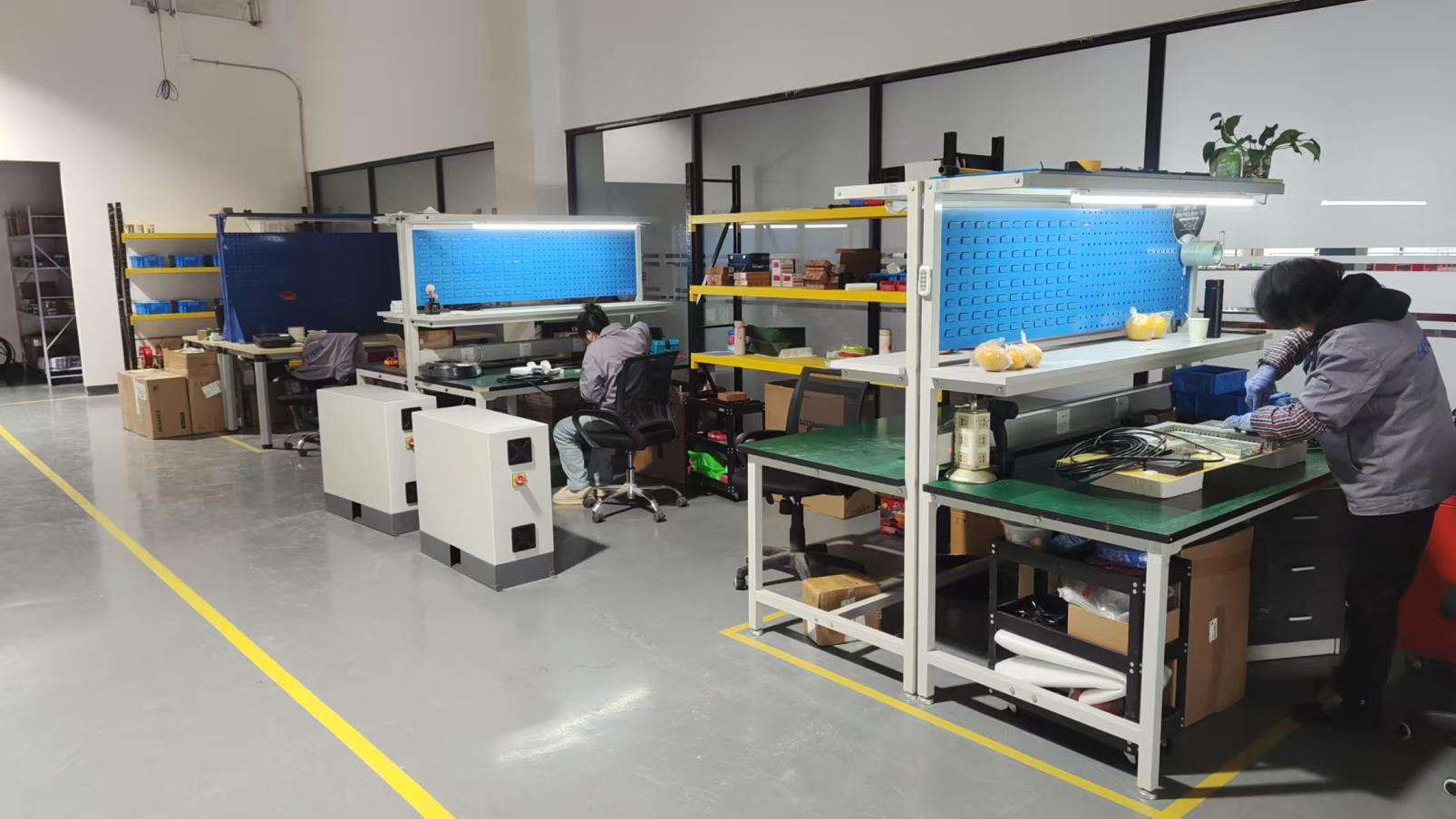
AI in material handling should be evaluated as a staged capability roadmap. The most reliable projects start with safety and repeatable movement, then add navigation intelligence, perception, orchestration, predictive operations, and eventually multi-site supply-chain coordination.
Reliable AGV and AGC movement, emergency stop logic, bumpers, area scanners, load stability, floor tolerance, and standard operating procedures form the non-negotiable base.
Laser navigation, QR or marker support, map maintenance, traffic rules, queue management, and route optimization determine whether multiple robots can work as a system.
Vision-based recognition, 360° obstacle avoidance, sorting alignment, palletizing correction, clean-path planning, and exception recovery extend automation into less predictable flows.
Simulation, battery state analytics, charging strategy, predictive maintenance, and KPI dashboards convert equipment data into operational decisions and lifecycle savings.
Edge AI, open APIs, federated data governance, cybersecurity, and sustainability reporting allow material handling fleets to coordinate across sites and partners.
Future outlook: the winning suppliers will be those that can prove real exception handling, document interfaces clearly, support mixed fleets, protect operational data, and provide predictable after-sales service across borders.
Material handling requirements are highly local. Floor quality, aisle width, voltage, network coverage, safety rules, labor patterns, and maintenance access can change the optimal configuration even when the product category appears identical.
Line-side delivery, sequencing, heavy component transfer, welding, spraying, palletizing, and flexible assembly benefit from AMRs, collaborative robots, and heavy-load AGVs with stable traffic control.
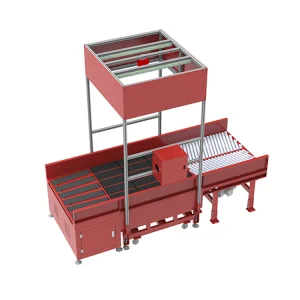
Robotic conveyor belt sorting, package scanning, singulation, delivery robots, and autonomous mobile robots help manage order peaks, labor variability, and high-throughput handoffs.
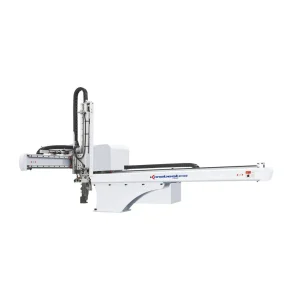
Heavy-load transfer carts, forklift AGVs, and Cartesian robots are relevant where large workpieces, safety distance, dust, heat, and robust mechanical design dominate the specification.
Maintenance material movement, customized load platforms, fixed parking, turn-and-back navigation, and traceable delivery processes require strong safety and service documentation.
Hybrid wet-clean robots, laser-navigation AMRs, and automated line connections support clean handling, material replenishment, and repeatable workstation logistics.
Security robots, hotel delivery robots, office efficiency robots, and AI robot pet product routes show how autonomous navigation is expanding beyond factory material flow into service logistics.
A credible AI material handling supplier should be able to describe the full solution stack. If the discussion stops at robot speed or price, the buyer has not yet reached system-level due diligence.
AGVs, AMRs, AGCs, robotic arms, sorting belts, lift platforms, forklifts, sensors, safety scanners, and charging equipment form the physical execution layer.
Guidance controllers, motor drives, battery management systems, online charging logic, safety interlocks, and edge computing translate commands into reliable motion.
Fleet scheduling, traffic optimization, vision recognition, route planning, obstacle avoidance, sorting logic, palletizing correction, and exception handling.
WMS, MES, ERP, quality systems, and production planning require tested APIs, data mapping, error codes, and clear responsibility boundaries during deployment.
Risk assessment, emergency stop design, access control, network segmentation, remote-access policy, log retention, and data ownership must be agreed before go-live.
Commissioning, operator training, spare-parts strategy, preventive maintenance, remote diagnostics, software updates, and expansion planning determine long-term value.
Use this scorecard to structure an RFQ, compare China AI material handling manufacturers, and document why a supplier is technically and commercially suitable for a specific flow.
Ask for risk assessment, safety architecture, emergency stop logic, scanner configuration, training records, and compliance documents relevant to the destination market.
Verify actual load, center of gravity, duty cycle, floor tolerance, stopping accuracy, lift height, turning radius, and performance under peak traffic.
Separate useful AI from marketing language. Test sort recognition, obstacle avoidance, exception recovery, vision alignment, and human override behavior.
Confirm interfaces, API documentation, WMS/MES experience, data models, latency expectations, network requirements, and acceptance-test scripts.
Review battery strategy, online charging, energy consumption, wear parts, spare-parts lead time, service response, remote support, and upgrade path.
Clarify data ownership, remote-access approval, encryption, retention, export rules, software update control, and incident escalation for connected equipment.
This page preserves the original company and product evidence while adding a procurement lens. That combination is the information gain: a buyer can follow the original product URL, understand the industrial context, and then verify the claims through structured technical questions.
Look for comparable deployments in the same industry, similar load profile, similar floor condition, and similar shift pattern. Request site acceptance criteria and exception logs.
Evaluate controls engineering, safety design, mechanical durability, battery management, fleet software, and the ability to explain failure modes clearly.
Review product documentation, patents or proprietary components, reference industries, cooperation units, service network, and export project experience.
Require transparent scope, realistic lead times, warranty terms, spare-parts commitments, data policies, and a clear escalation path for overseas support.
The following bars are illustrative RFP targets, not guaranteed performance figures. They help buyers define measurable acceptance criteria instead of relying on catalog claims alone.
A true manufacturer combines mechanical platforms, control electronics, safety design, software integration, production testing, and after-sales support. AI should be visible in perception, routing, exception handling, fleet optimization, predictive maintenance, or quality decisions, not only in marketing copy.
AGV and AGC usually imply guided or automated movement with defined routes and traffic logic. AMR often emphasizes more autonomous navigation and adaptation. The terms overlap in the market, so buyers should evaluate the actual navigation method, safety behavior, map maintenance, and exception recovery rather than rely on labels.
Capable suppliers can support international projects when safety documentation, destination-market requirements, language localization, spare-parts planning, remote diagnostics, and escalation procedures are agreed early. Buyers should verify evidence through documentation and acceptance tests.
Daian Lunasol Logistics Technology Co., Ltd. states a product line covering light-duty handling robots from 0.5 tons, medium-heavy lifting robots from 2 tons to 5 tons, and heavy-duty handling robots from 5 tons to 100 tons.
Test with real SKUs, changing light conditions, damaged packaging, mixed orientations, and peak flow. Review recognition accuracy, recovery time, human override, safety distance, integration with WMS or MES, and maintenance access.
Timeline depends on scope, floor readiness, safety review, integration complexity, and acceptance criteria. A pilot can be faster, while multi-robot, multi-system projects require staged factory testing, site testing, training, and ramp-up.
Request spare-parts lists, recommended stock, response-time commitments, remote-support process, training plan, software update policy, warranty terms, and names of serviceable reference projects where confidentiality allows.
It connects the core query “Top China AI In Material Handling Manufacturers & Suppliers” with entities such as AGV, AMR, AGC, sorting, palletizing, laser navigation, battery transfer cart, online charging, WMS, MES, safety, lifecycle, and local application scenarios while preserving original product URLs.
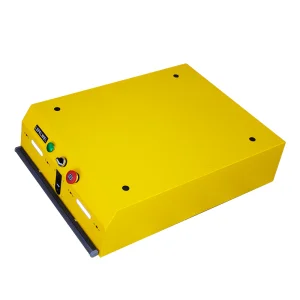
The final eight product routes preserve the original product URLs, images, and titles. They cover heavy-load battery transfer AGVs, automatic transportation robots, laser-navigation AMRs, Cartesian robots, package scanning and sorting, APP-controlled AGVs, customizable-load platforms, and AI task automation robots.