Basic Info.
Q: Which type of navigation should you choose?
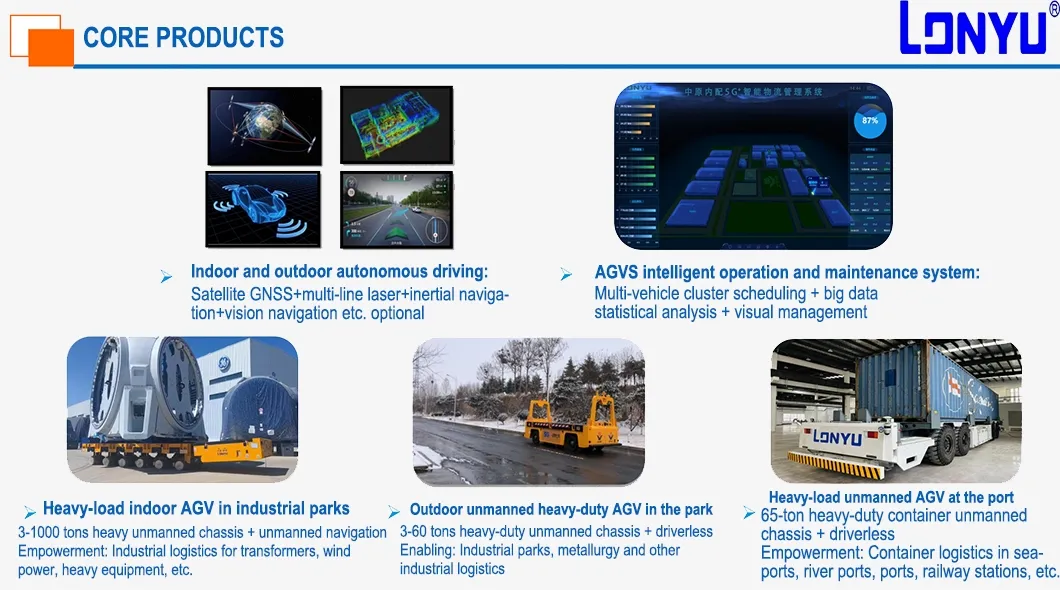
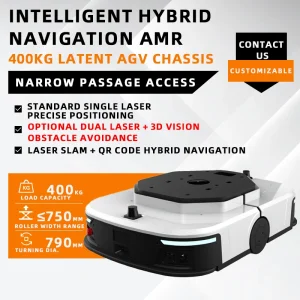
AGVs utilize various navigation technologies. Laser guidance offers high precision for medical use; Wire guidance is ideal for fixed, non-flexible paths; Vision guidance uses camera recognition without needing special infrastructure; and Geographical navigation allows for independent mapping and flexible itinerary adjustments, making it a highly reliable solution.
Q: Would an AGV be a good solution?
AGVs are excellent for horizontal material handling. They are effective when you need to move heavy loads, components, or materials efficiently. Choosing an AGV depends on your load weight and travel requirements compared to other material handling solutions on the market.
Q: What are the benefits of using heavy-duty AGVs?
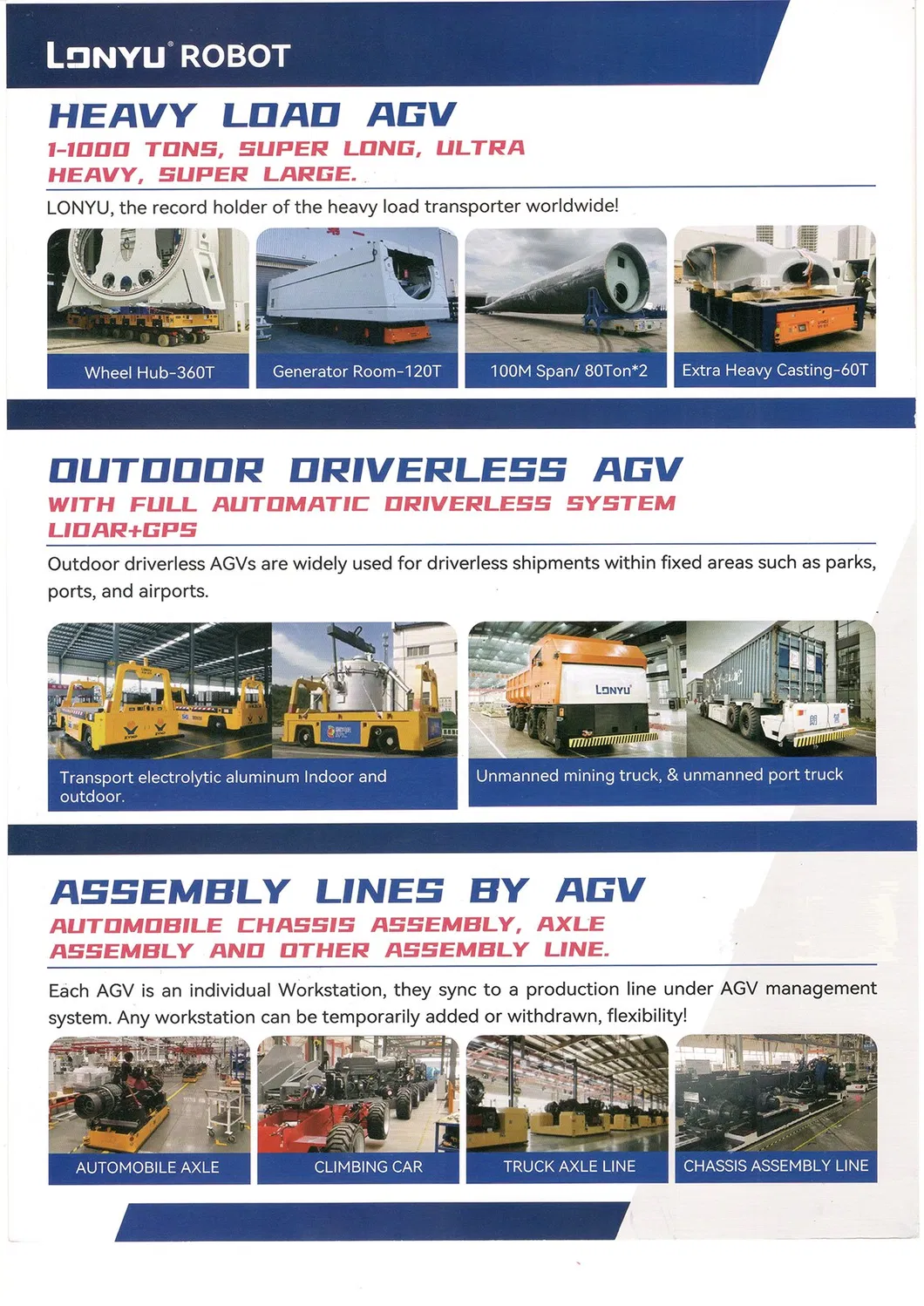
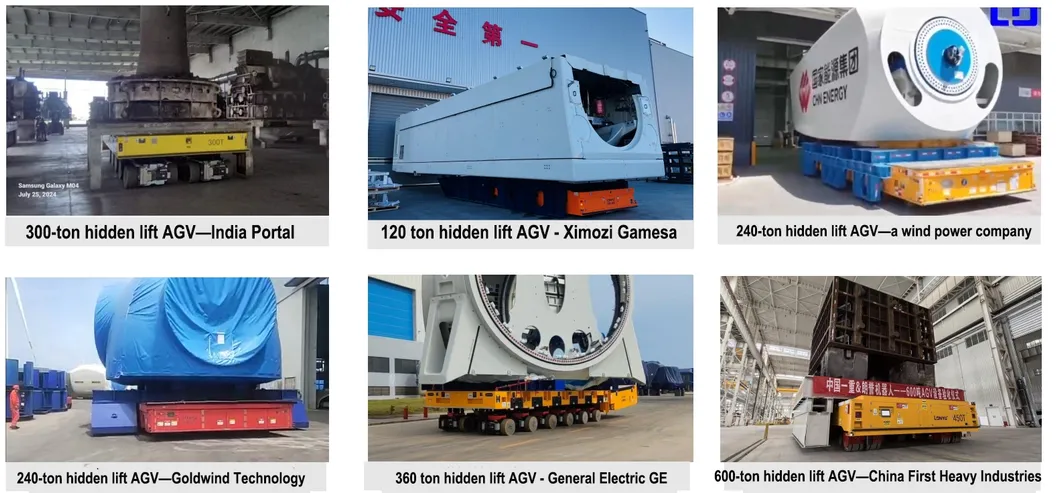
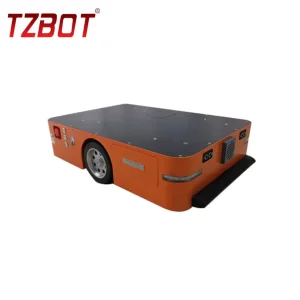
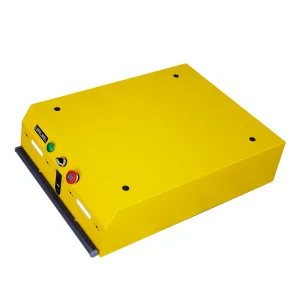
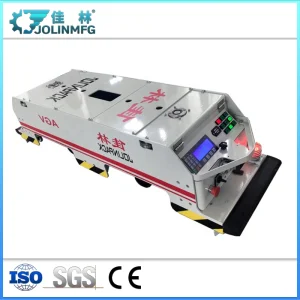
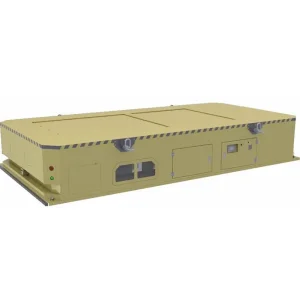
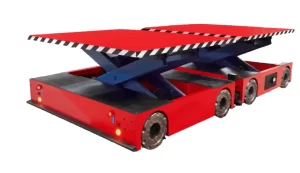
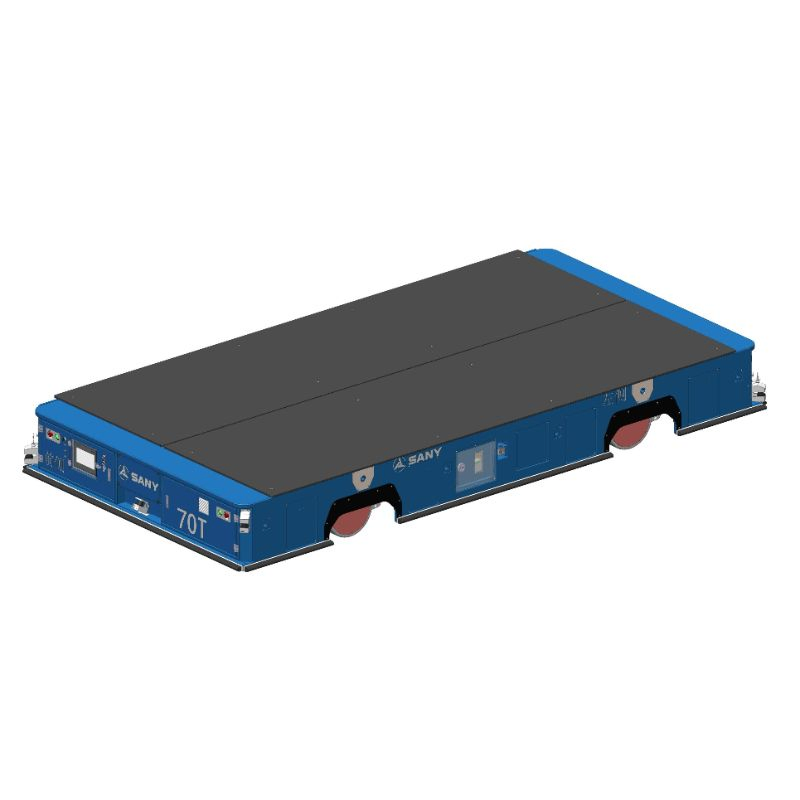
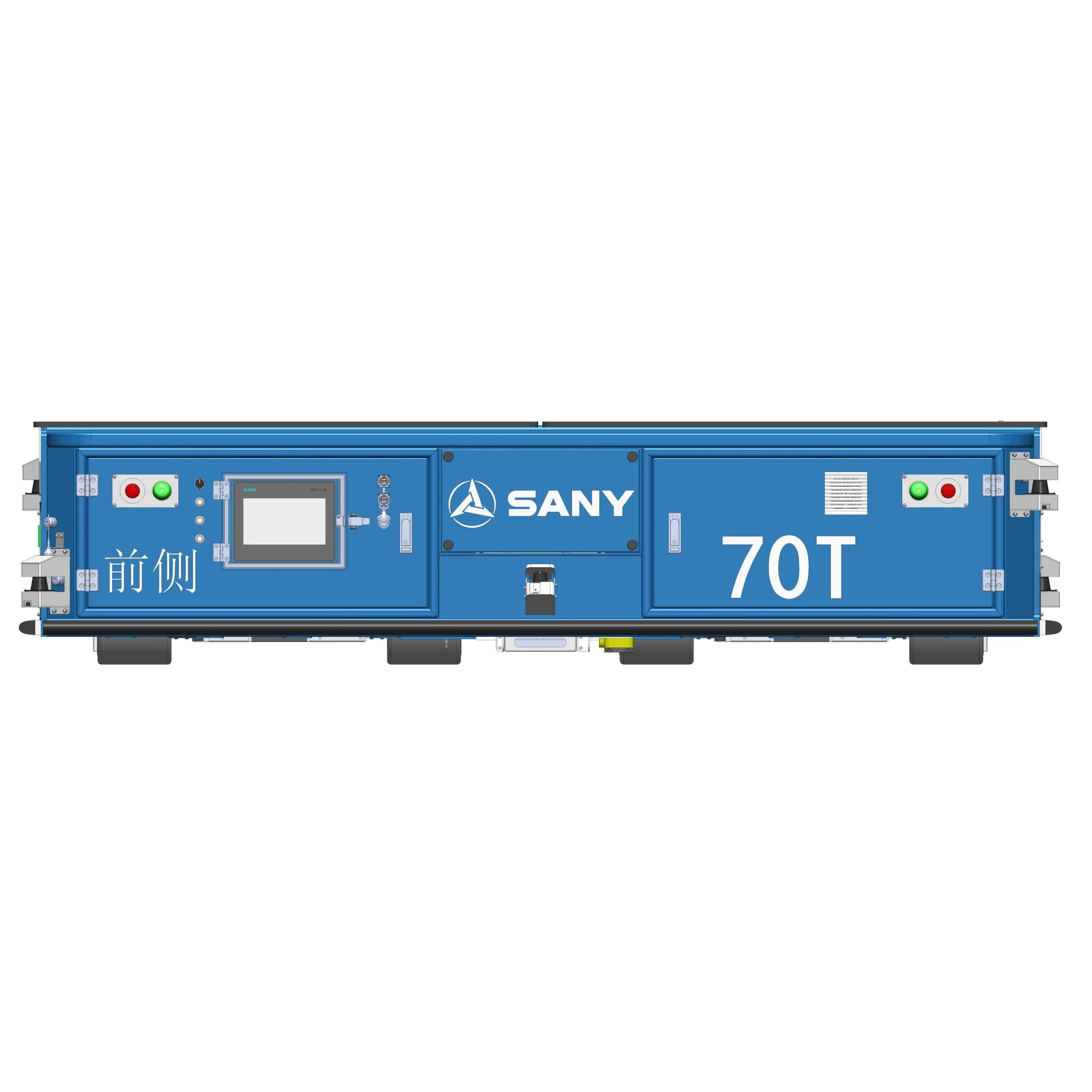
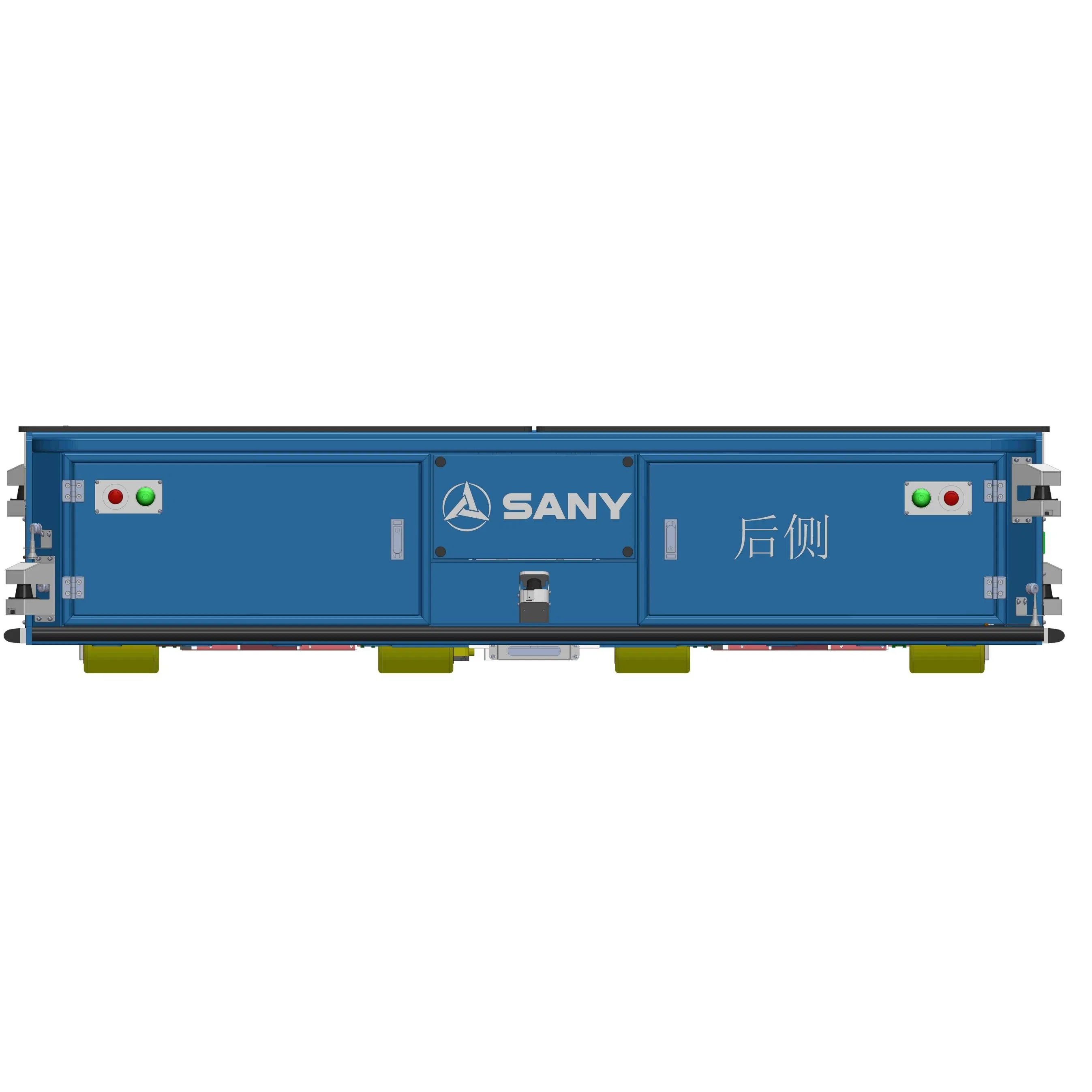
Heavy-duty AGVs offer stable operation, high safety, and easy handling for oversized or overweight materials. They feature automatic lifting, independent hydraulic suspension, and all-round steering, making them perfect for restricted passages and uneven ground in industrial logistics.
Q: What product handling applications use heavy-duty AGV transfer vehicles?
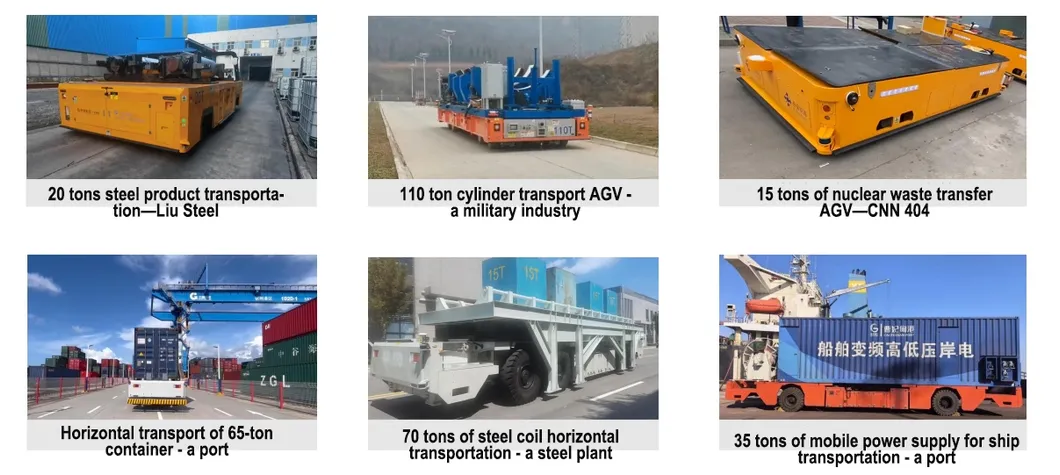
They are widely used in warehousing, manufacturing, ports, and airports to automate the handling of heavy materials. They help improve production efficiency, shorten logistics cycles, and enhance economic benefits by reducing manual labor intensity.
Q: Are these AGVs suitable for uneven ground?
Yes, the heavy-duty AGV models are designed with hydraulic independent suspension and automatic leveling capabilities, allowing them to adapt well to uneven ground surfaces during transport.
Q: How is the safety of the AGV ensured?
Safety is prioritized through a comprehensive system including collision avoidance technology, emergency stop buttons for manual override, obstacle detection sensors, and safety laser scanners that monitor the environment in real-time.
 Lunasol Logistics