Lunasol Logistics
Lunasol Logistics
Lunasol Logistics
Deploying custom, high-accuracy robotics designed for dynamic warehouse fulfillment, pharmaceuticals, chemical environments, and heavy-payload industrial settings.
In the contemporary landscape of global logistics, warehousing, and manufacturing, the demand for efficiency has surpassed the capabilities of standardized off-the-shelf automation. Today, enterprises operate within highly specific layout constraints, volatile product dimensions, and complex safety requirements. This complexity has made Custom OEM Autonomous Handling Systems the cornerstone of modern intralogistics optimization.
By partnering with a dedicated original equipment manufacturer (OEM), companies bypass the limitations of generic designs. Customization allows for the precise integration of Automated Guided Vehicles (AGVs) and Autonomous Mobile Robots (AMRs) into existing manufacturing execution systems (MES) and warehouse management systems (WMS). This level of integration ensures seamless horizontal and vertical material flow, reducing throughput bottlenecks, eliminating manual processing errors, and maximizing spatial utilization in high-density facilities.
Tailoring vehicle footprints, steering mechanics (differential, omnidirectional, or Ackermann steering), and custom lifting attachments to handle payloads from 500kg up to 100 metric tons.
Leveraging hybrid navigation systems combining LiDAR SLAM, visual SLAM, QR-code tracking, and magnetic tape to guarantee centimeter-level accuracy in changing industrial environments.
Implementing ISO 3691-4 compliant safety features including safety PLCs, multiple-zone laser scanners, contact bumpers, and fail-safe braking mechanisms to protect personnel and assets.
Daian Lunasol Logistics Technology Co., Ltd. is located in Dalian City. Our company focuses on R&D, production, sales, technical support and after-sales service in the fields of automation and robotics. The main products include: AGV and AGC automatic guided vehicles, industrial robots, automated production lines, etc.
Our product line covers light-duty handling robots from 0.5 tons, medium-heavy lifting robots from 2 tons to 5 tons, and heavy-duty handling robots from 5 tons to 100 tons. Product categories include latent traction AGV, roller AGV, lift AGV, traction AGV, load-bearing AGV, forklift AGV, medium and heavy-duty linkage AGV.
Our products serve the automobile, logistics and warehousing, shipbuilding industry, iron and steel metallurgy, special vehicles, high-speed rail and subway, injection molding, electronics and other industries. High-quality cooperation units include FAW Flag, CIMC Group, Yada New Materials, Zoomlion, Russia Federal Railways etc.

When sourcing custom OEM autonomous handling equipment, global enterprises must weigh initial capital expenditure against long-term reliability and adaptability. Chinese production facilities, particularly specialized leaders like Daian Lunasol, offer unparalleled structural advantages across the complete equipment lifecycle:
China's manufacturing ecosystems provide immediate, hyper-localized access to core components including high-precision gearboxes, precision sensors, drive units, and heavy-duty structural steel. This concentration minimizes supply chain disruption, reduces prototyping lead times by up to 45%, and allows for massive raw material cost efficiencies that are passed directly to the client.
Unlike Western manufacturers who charge significant premiums for modifications to standard chassis, Chinese factories design with modularity and custom integration as their baseline. Mechanical, electrical, and software changes are integrated dynamically. This iterative design approach allows clients to co-develop bespoke handling solutions optimized for their specific material workflows.
With access to a vast, highly-trained pool of mechatronics, electrical, and control engineers, Chinese factories can dedicate specialized development teams to singular client projects. This ensures that every complex linkage AGV, anti-corrosive robot, or heavy-duty transporter is thoroughly modeled, simulated, and stress-tested before physical fabrication begins.
Our products serve a diverse array of global heavy industries. Explore our core functional handling configurations below:
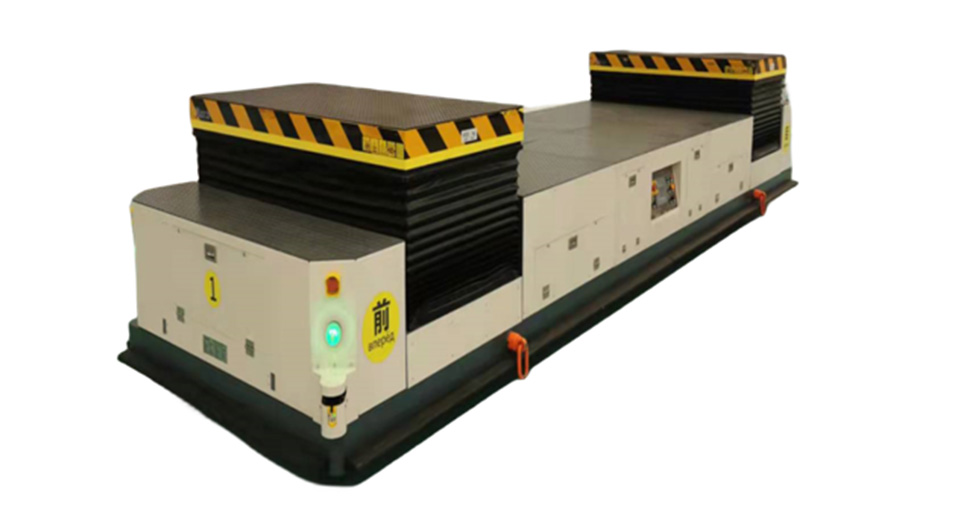
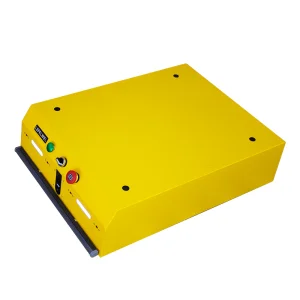
The piggyback AGV adopts a load-bearing body structure, which can be used to support workpieces and travel in all directions, enabling easy transportation of goods in various workshops or workstations. Multiple backpack AGVs can be used together to form an assembly line, replacing the traditional mechanical assembly line and forming a flexible, modular production line.
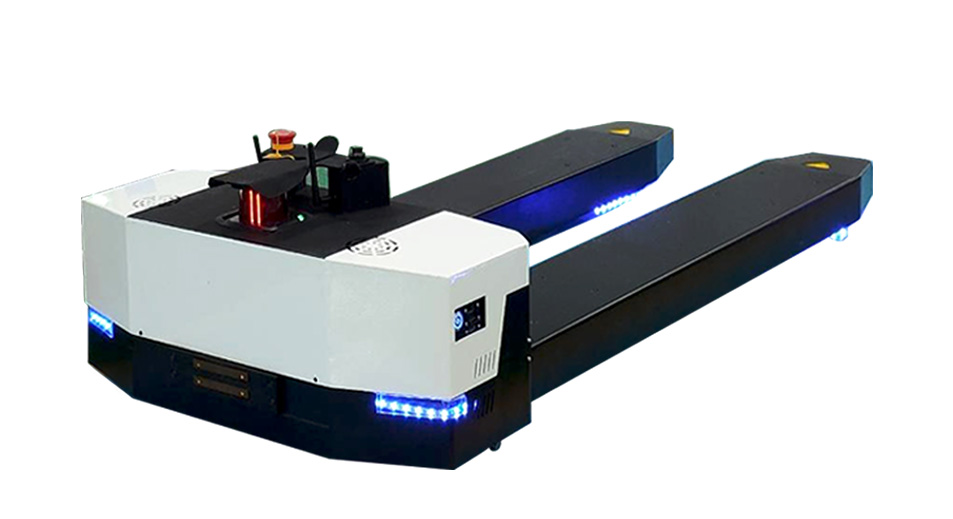
Forklift-type AGVs are widely used in fields such as heavy object lifting and heavy object transportation. They feature highly optimized mechanical dimensions, a remarkably small turning radius, and minimal channel size requirements, making them ideal for narrow-aisle warehouse racking layouts.
Our company has researched foreign advanced technology and conducted independent research and development. It has mastered the core technology of the product and has independent intellectual property rights. It has developed the core components of AGV, AGV guidance controller, AGV guidance sensor, lithium battery management system, and online charging system, becoming a leading technology-based enterprise.
As smart factory initiatives (Industry 4.0) gather momentum worldwide, several paradigm-shifting technological developments are redefining autonomous materials handling. Integrating these trends is essential for future-proofing capital investments:
| Trend Area | Technological Breakthrough | Operational Impact |
|---|---|---|
| Sensor Fusion & 3D SLAM | Combining LiDAR, Stereo Cameras, and Inertial Measurement Units (IMU) with advanced sensor fusion algorithms. | Enables safe, continuous operation in environments with dynamic obstacles, dust, changing lighting conditions, and non-flat floors. |
| Fleet Orchestration Systems | Web-based fleet managers allocating tasks dynamically using AI algorithms and supporting VDA 5050 protocols. | Simplifies integration of heterogeneous fleets (AGVs, AMRs, Cobots) and optimizes overall equipment efficiency (OEE). |
| Next-Gen Energy Systems | Fast-charge Lithium Iron Phosphate (LiFePO4) battery packs paired with automated online opportunity charging. | Enables 24/7 continuous operation, eliminating dedicated charging areas and reducing total battery capacity requirements. |
| Edge AI Processing | On-board neural networks processing vision data for real-time load identification and anomaly detection. | Ensures precision picking, adaptive navigation, and predictive maintenance diagnostics directly on the edge. |
Daian Lunasol's autonomous handling systems are engineered to address specific pain points across diverse industrial operations:
Integrating multi-directional, heavy-duty backpack AGVs into chassis assembly lines (e.g., our partnership with FAW Flag). These vehicles replace rigid floor conveyors, allowing for modular build cells where process times can vary dynamically based on customization needs.
Transporting extreme payloads, such as steel coils or castings, weighing up to 100 tons. These custom linkage vehicles employ multi-wheel steering and safety sensors designed to operate reliably in high-temperature, dusty, and high-vibration metal processing facilities.
Utilizing automated forklift AGVs to move double-deep pallets in temperature-controlled warehouses. The systems are designed with custom thermal insulation and condensed moisture mitigation to preserve battery life and sensor reliability in environments down to -25°C.
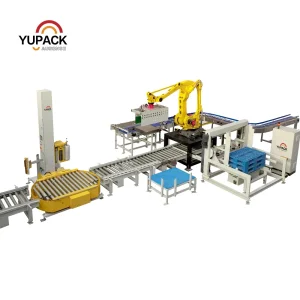
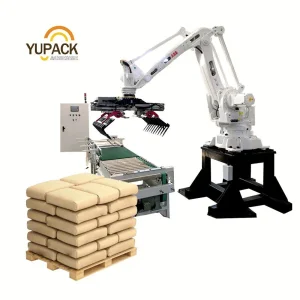
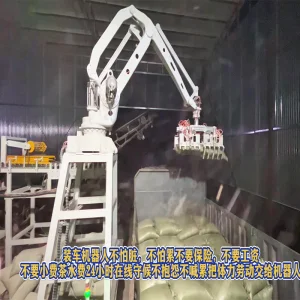
Deploying clean-room compatible robotic palletizers and AGVs configured with dust-free materials and integrated HEPA air filtration. These configurations prevent contamination during active pharmaceutical ingredient (API) processing and packaging.
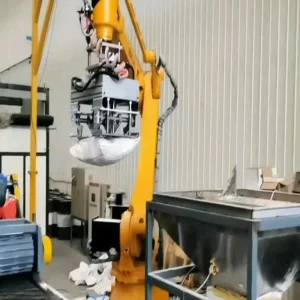
Providing explosion-proof and anti-corrosive robot systems (e.g., our specialized depalletizer developed for sodium sulfide handling). These feature hermetically sealed joints, stainless steel 316L housings, and pressurized purged conduits.
Our engineering capability is verified through long-term partnerships with major enterprises, including CIMC Group, Yada New Materials, Zoomlion, and the Russia Federal Railways, demonstrating our ability to meet stringent international standards.
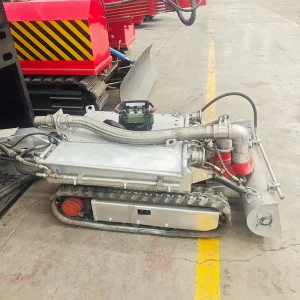
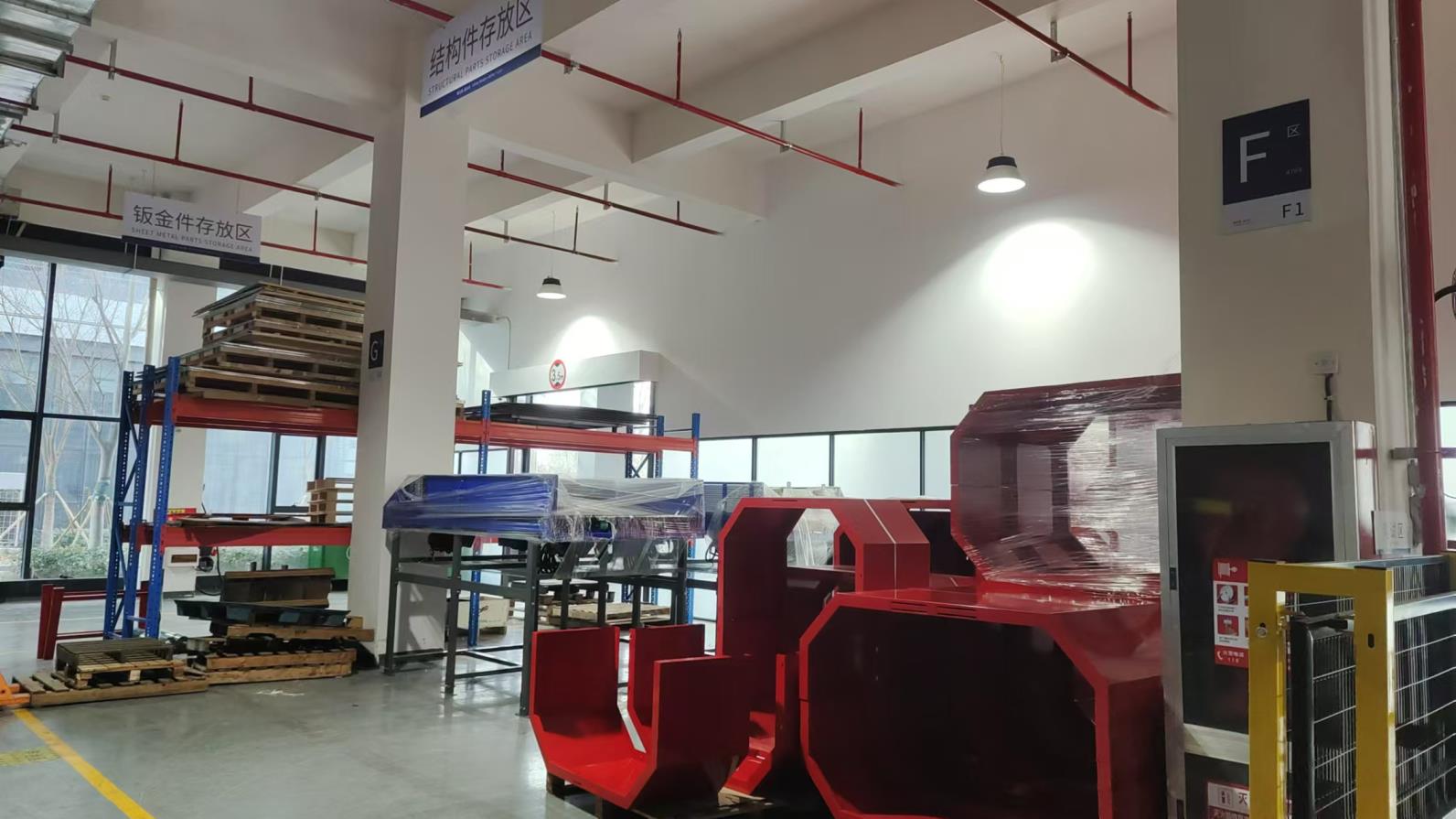
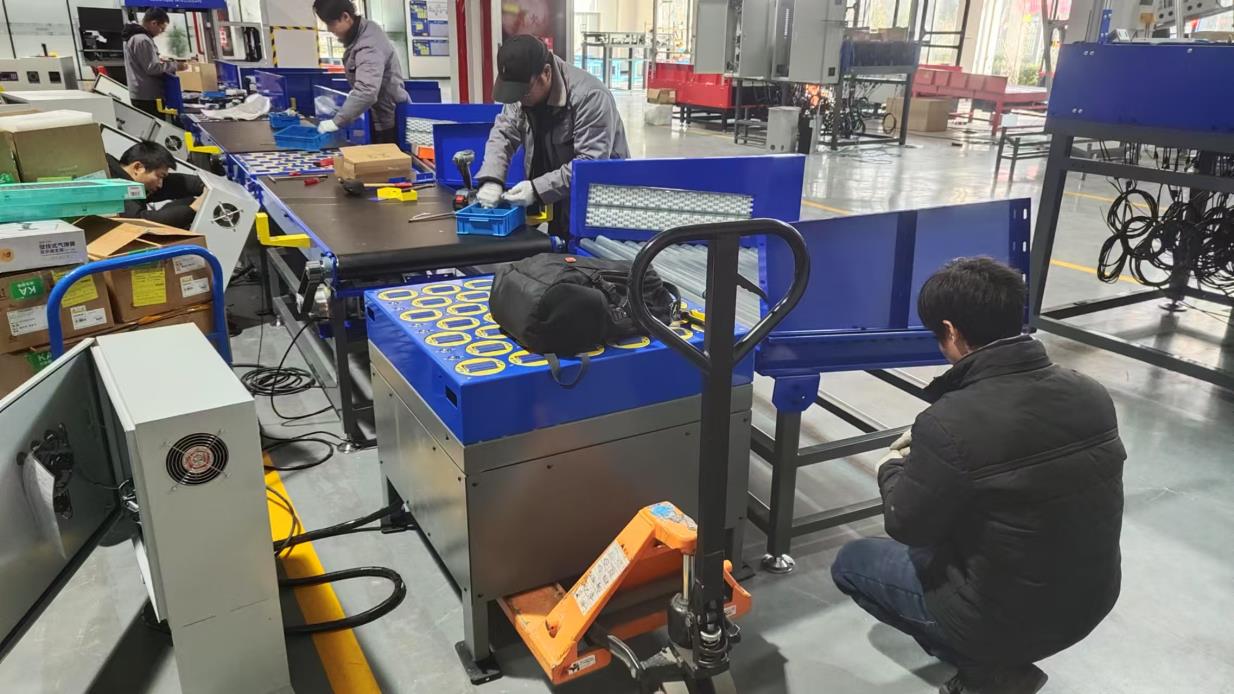
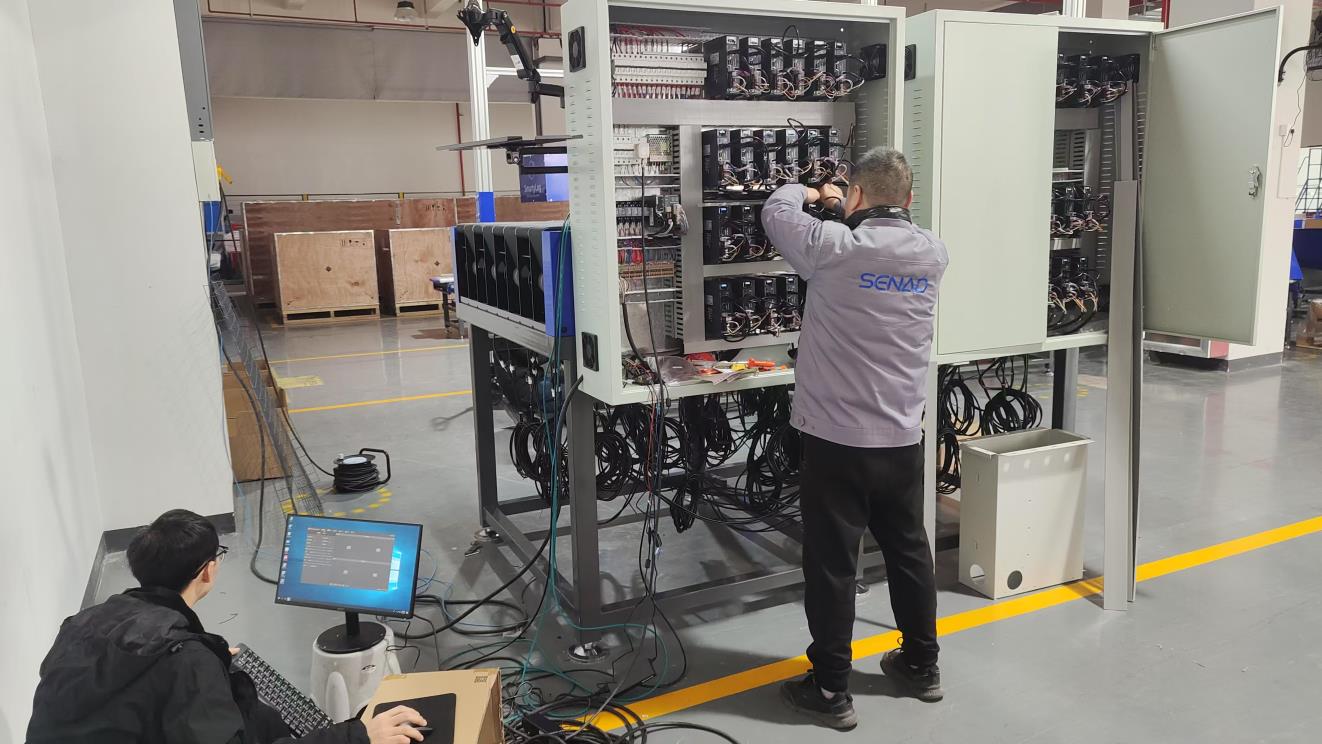
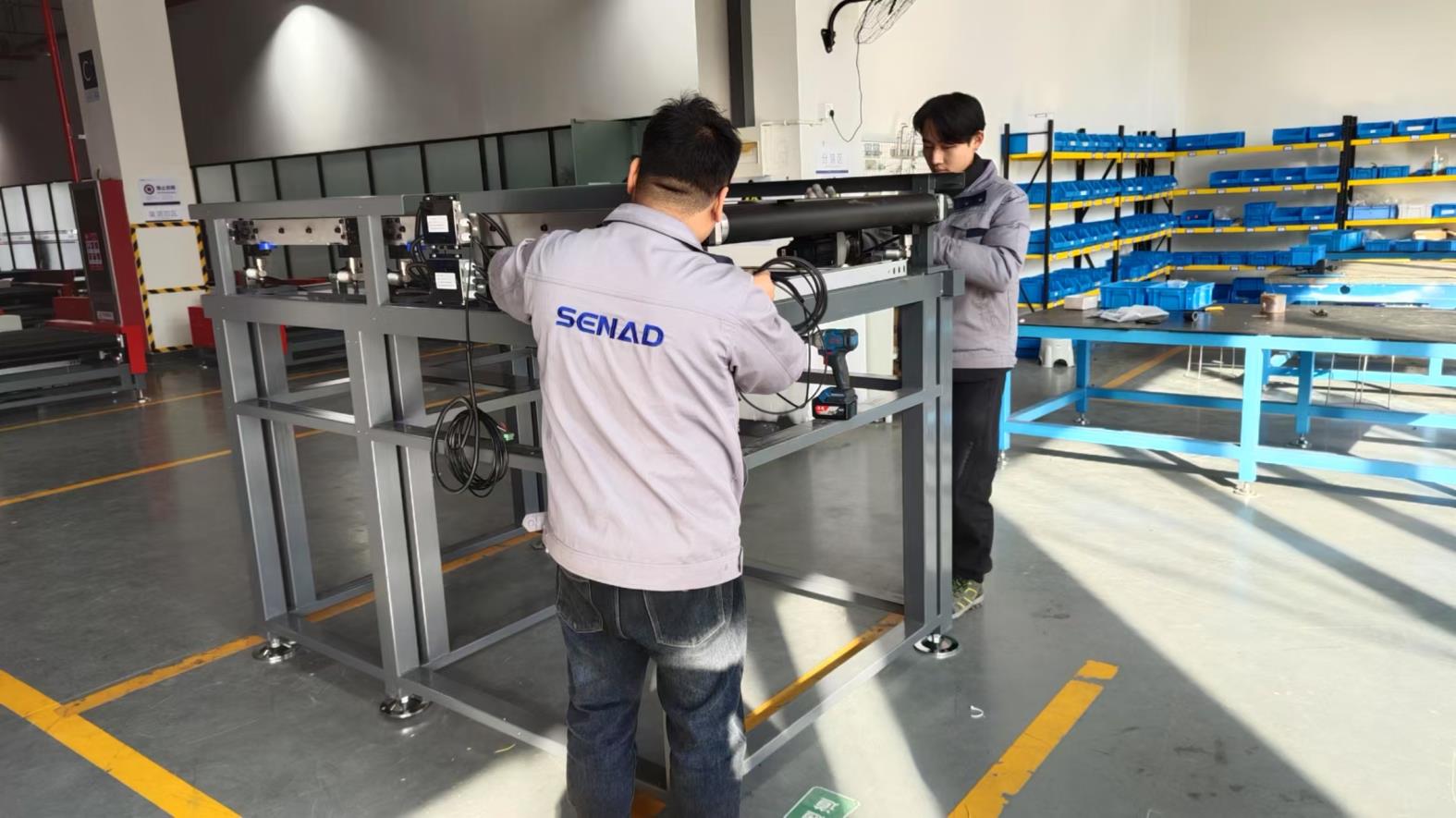
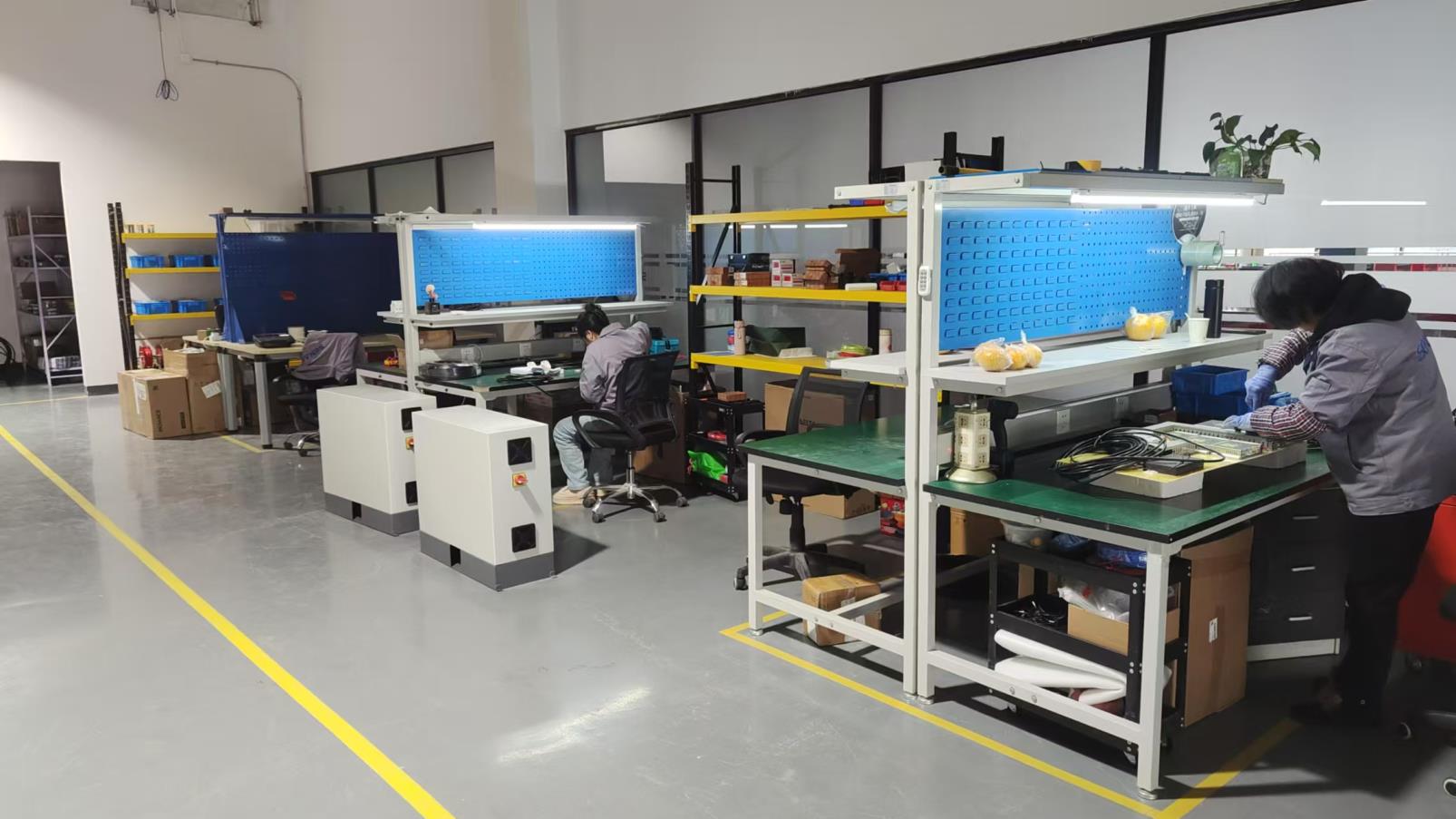
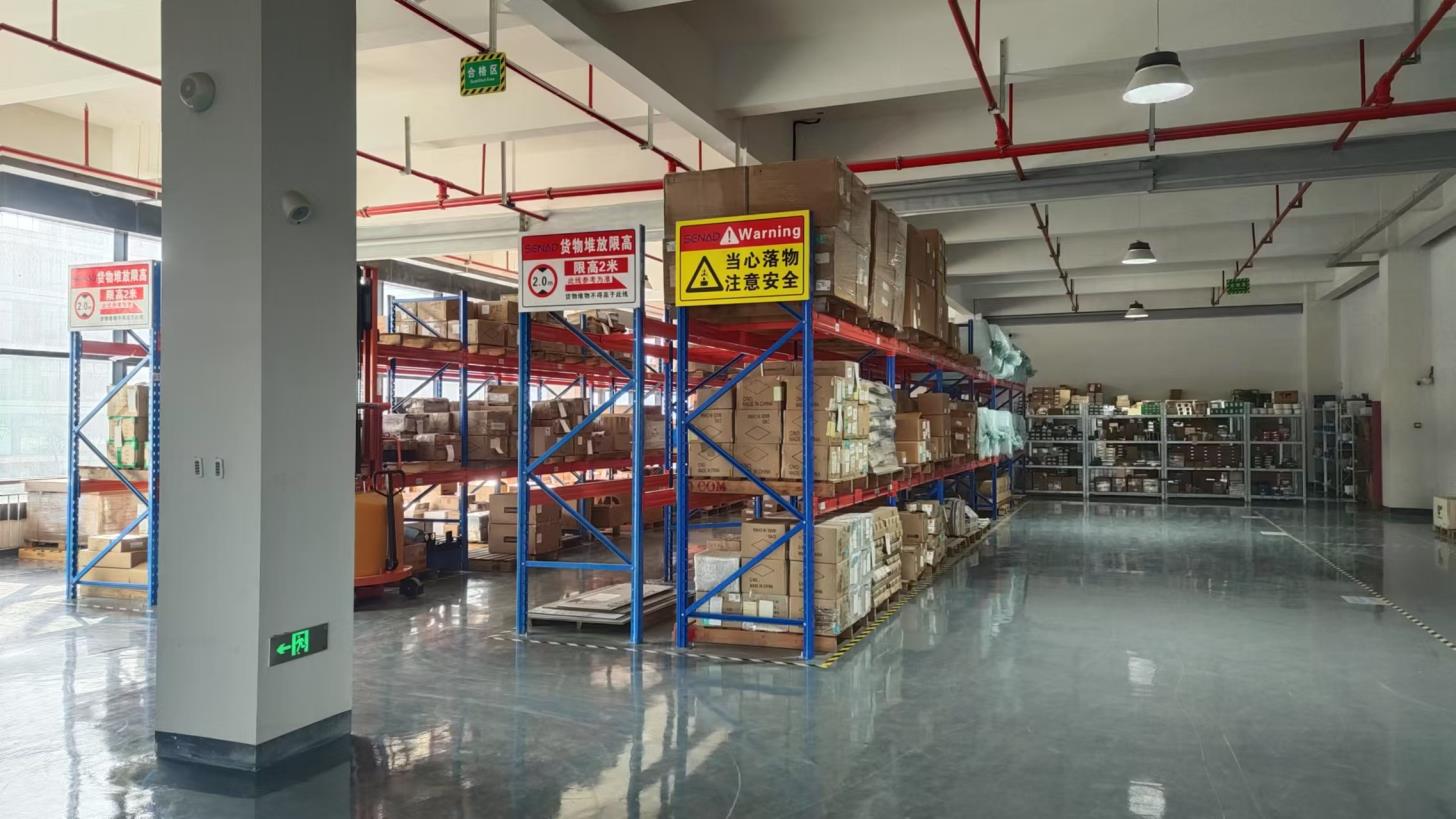
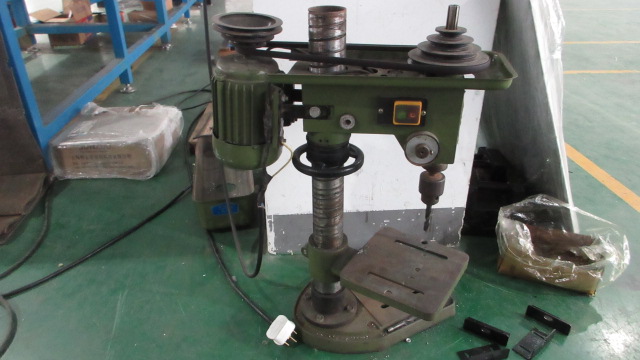
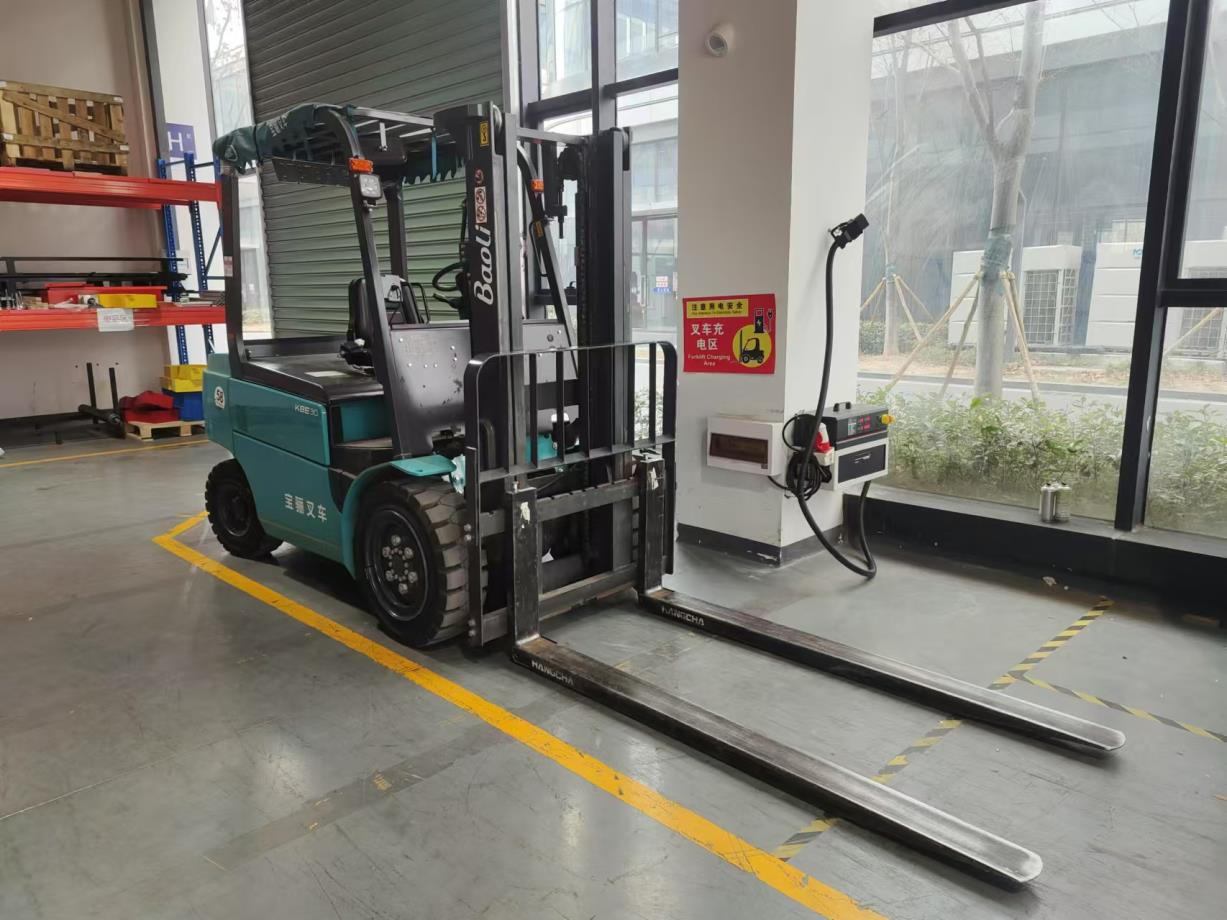
A visual showcase of our active production projects, custom chassis modifications, and robotic assemblies engineered at our Dalian manufacturing site.
Procuring robotic logistics infrastructure is a significant capital commitment. Enterprise buyers should evaluate potential OEM manufacturing partners against the following technical criteria:
Does the facility layout require differential steering (forward/backward and simple pivoting), or is omnidirectional steering ( Mecanum wheels or dual-drive steer assemblies) required for tight lateral docking maneuvers? Establishing this early prevents layout rework.
The AMR system must integrate with your ERP/WMS. Verify that the supplier’s control software exposes robust RESTful APIs, supports gRPC, or complies with VDA 5050 protocols to prevent vendor lock-in.
Heavy-duty transport requires careful analysis of the center of gravity (CoG). Ensure the OEM provides active suspension, load balancing, and electronic anti-sway capabilities, particularly for lifting capacities between 5 and 100 tons.
Verify compliance with regional safety frameworks, such as CE directives (EN ISO 3691-4, EN 1175) for Europe, and ANSI/ITSDF B56.5 for the North American market. Ensure safety systems utilize certified Safety PLCs (SIL 2 / PL d min).
Assess whether manual battery swapping, automatic battery swapping, or automatic floor-mounted opportunity charging plates align best with the duty cycles of your operations.
Inquire about the commissioning procedure. OEM exporters should provide remote emulation testing, on-site deployment engineers, and spare parts kits to minimize system downtime.
Commonly asked technical questions regarding custom autonomous handling systems, payload engineering, and shipping protocols:
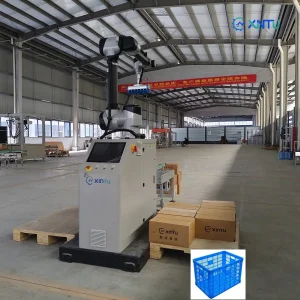
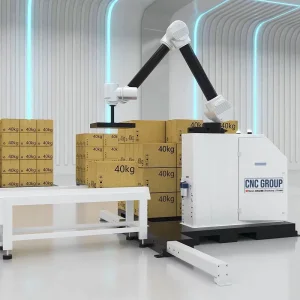
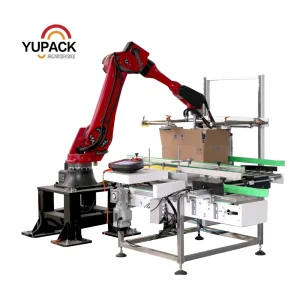
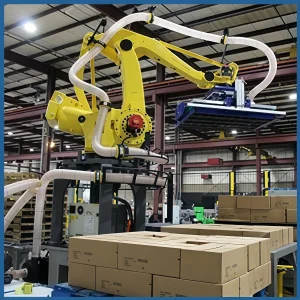
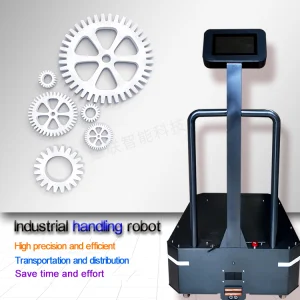
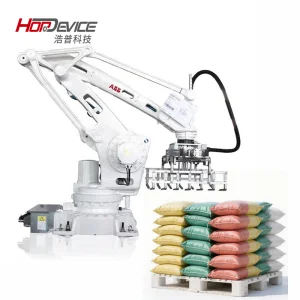
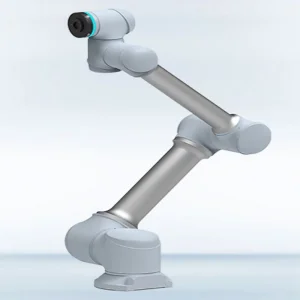
Advanced material handling robotics, collaborative industrial work cells, and automated guided vehicles engineered to support high-throughput applications: