Lunasol Logistics
Lunasol Logistics
Lunasol Logistics
Explore our leading custom non-standard robotic systems designed for automated warehouses and smart factories worldwide.
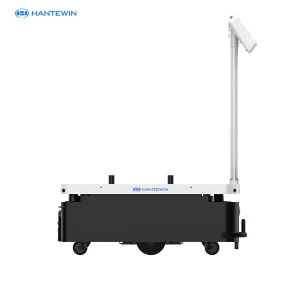
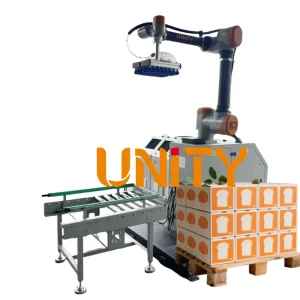
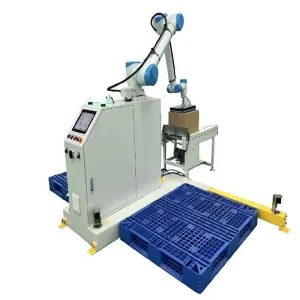
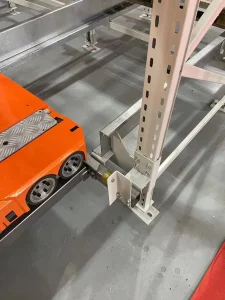
A comprehensive white paper investigating technical innovations, structural manufacturing advantages, and the global shifting paradigms in industrial AGV & AMR integration.
The manufacturing and logistics sectors are undergoing a massive transition under the global framework of Industry 4.0. According to recent market analysis, the demand for Autonomous Guided Vehicles (AGVs) and Autonomous Mobile Robots (AMRs) is rising at a compound annual growth rate (CAGR) of over 15.4%. Companies worldwide are grappling with persistent labor shortages, surging operating costs, and the need for higher throughput. In response, modern material handling is moving away from fixed infrastructure like conveyors toward flexible, software-driven robotic platforms.
Traditional industrial sites frequently suffered from rigid production flows. Today, modern assembly environments call for systems that can reroute in real time, dodge obstacles, and exchange data with Enterprise Resource Planning (ERP) and Warehouse Management Systems (WMS). By using smart AGVs and AMRs, operations can optimize spatial footprints, lower collision risks, and ensure 24/7 product movement.
China has evolved from a basic component assembler into a leading innovator in industrial automation. Chinese manufacturers benefit from a dense local supply chain that covers everything from raw steel processing and precision casting to lithium cell assembly and high-grade sensor design. This integration allows companies to complete rapid prototyping, conduct rigorous reliability tests, and ramp up mass production quickly.
"By controlling the full stack of technology—including core guidance sensors, motor control boards, software dispatch kernels, and battery management platforms—leading Chinese exporters provide substantial cost-performance advantages without sacrificing technical quality."
Additionally, the manufacturing ecosystem supports highly customized, non-standard mechanical designs. Western buyers can easily secure heavy-duty AGV configurations capable of handling up to 100 metric tons, a service that is often prohibitively expensive or unavailable from Western automation vendors.
Autonomous Mobile Systems are no longer limited to clean-room logistics. They are now actively deployed in demanding environments:

Based in the industrial hub of Dalian, Daian Lunasol Logistics Technology Co., Ltd. is a dedicated pioneer in the R&D, manufacturing, sales, and global support of advanced industrial robotics and automation systems.
Our diverse portfolio spans light-duty handling systems starting at 0.5 tons up to massive, heavy-duty transporters engineered for payloads reaching 100 tons. We specialize in developing latent traction AGVs, roller-top transporters, lift decks, towing units, forklifts, and complex multi-vehicle linkage networks.
By designing and building our own guidance controllers, sensor packages, lithium battery management systems (BMS), and online fast-charging stations, we deliver integrated, reliable platforms with proven track records in high-demand environments. Our clients include FAW Flag, CIMC Group, Yada New Materials, Zoomlion, and the Russian Federal Railways.
Explore our two core classifications of automated guided vehicles, engineered for seamless layout integration and heavy-duty reliability.
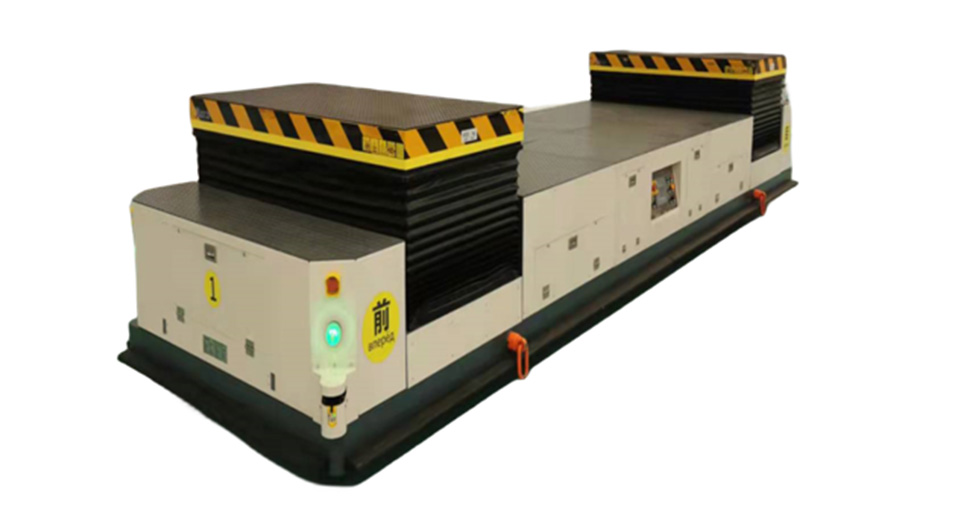
Featuring a robust load-bearing body structure, our piggyback and carrier AGVs support workpieces directly on their deck and navigate in all directions. Multiple units can work in sync to form a virtual assembly line, providing a highly flexible alternative to traditional mechanical conveyor belts.
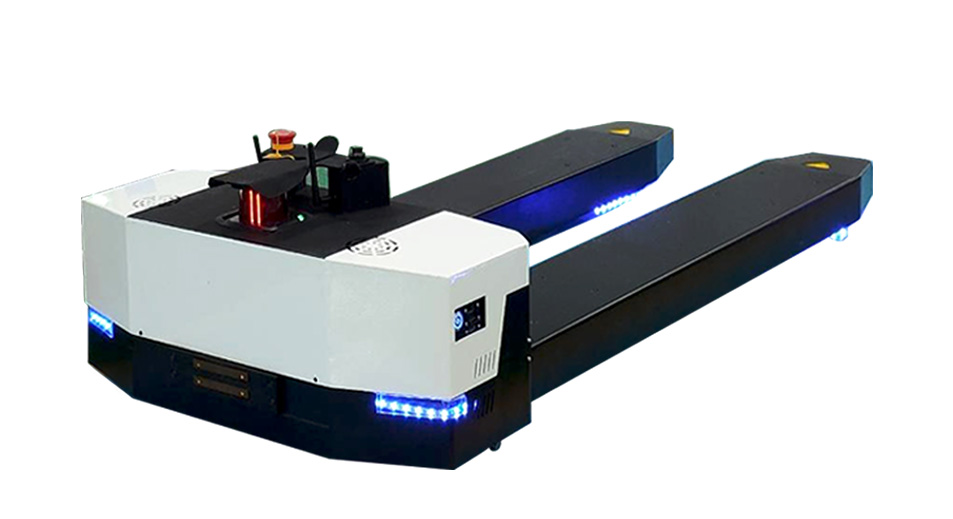
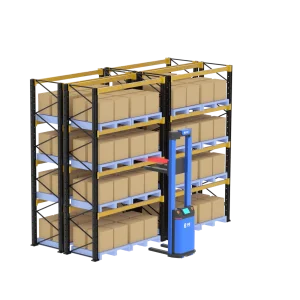
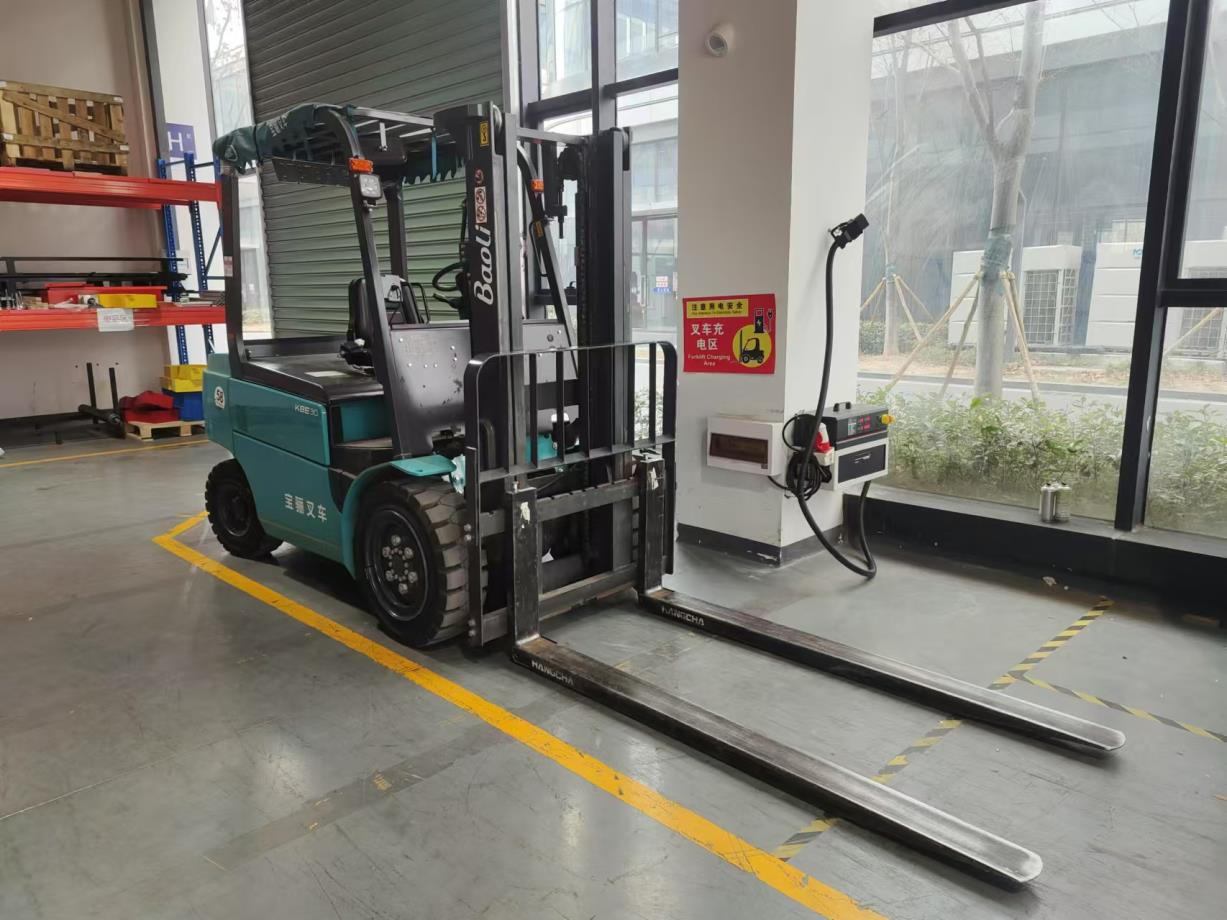
Designed for heavy lifting and vertical storage, our forklift-type AGVs excel in pallet handling and high-bay warehouse logistics. With tight turning radii and advanced sensor arrays, they safely navigate narrow aisles and operate reliably in confined industrial spaces.
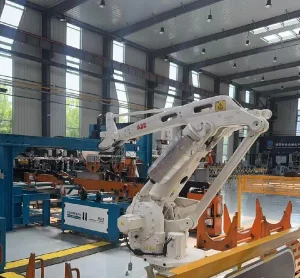
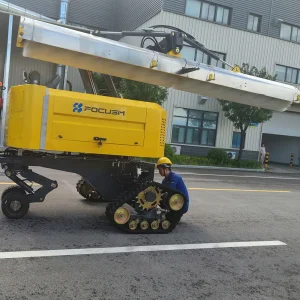
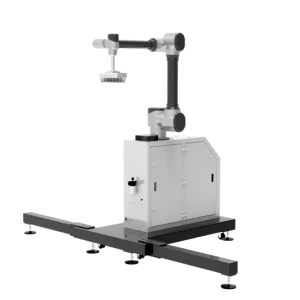
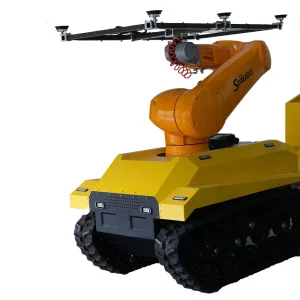
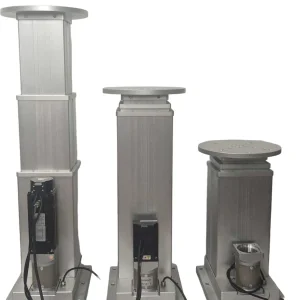
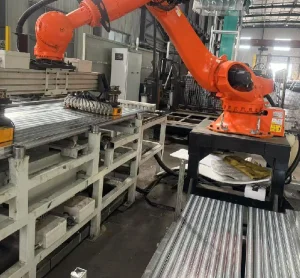
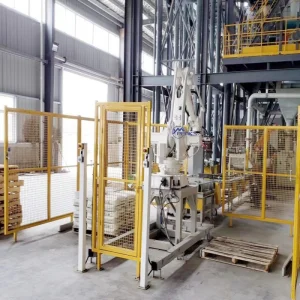
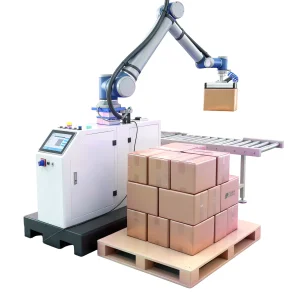
Take a closer look at our specialized logistics and automation systems operating in factories and shipyards globally.
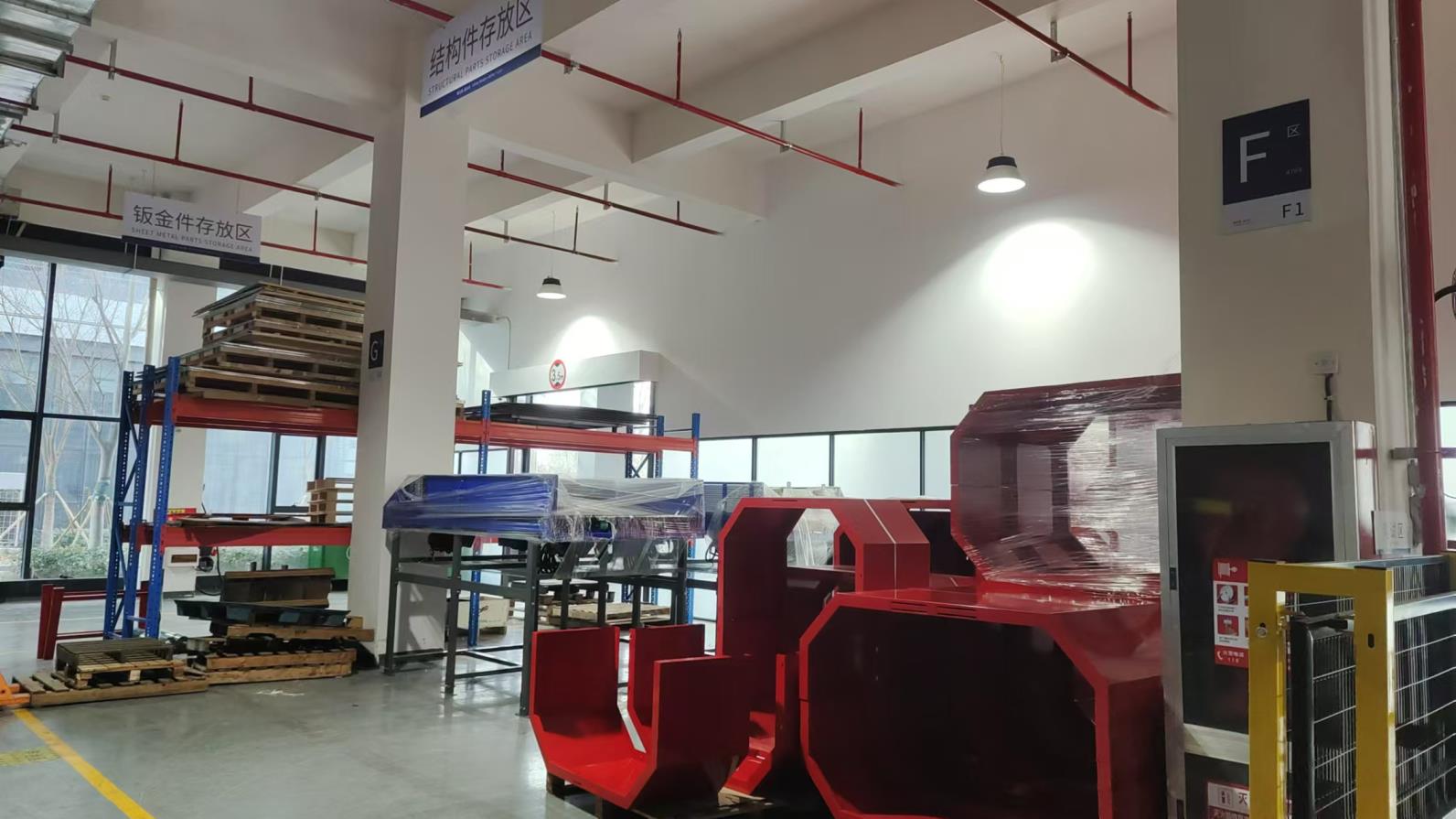
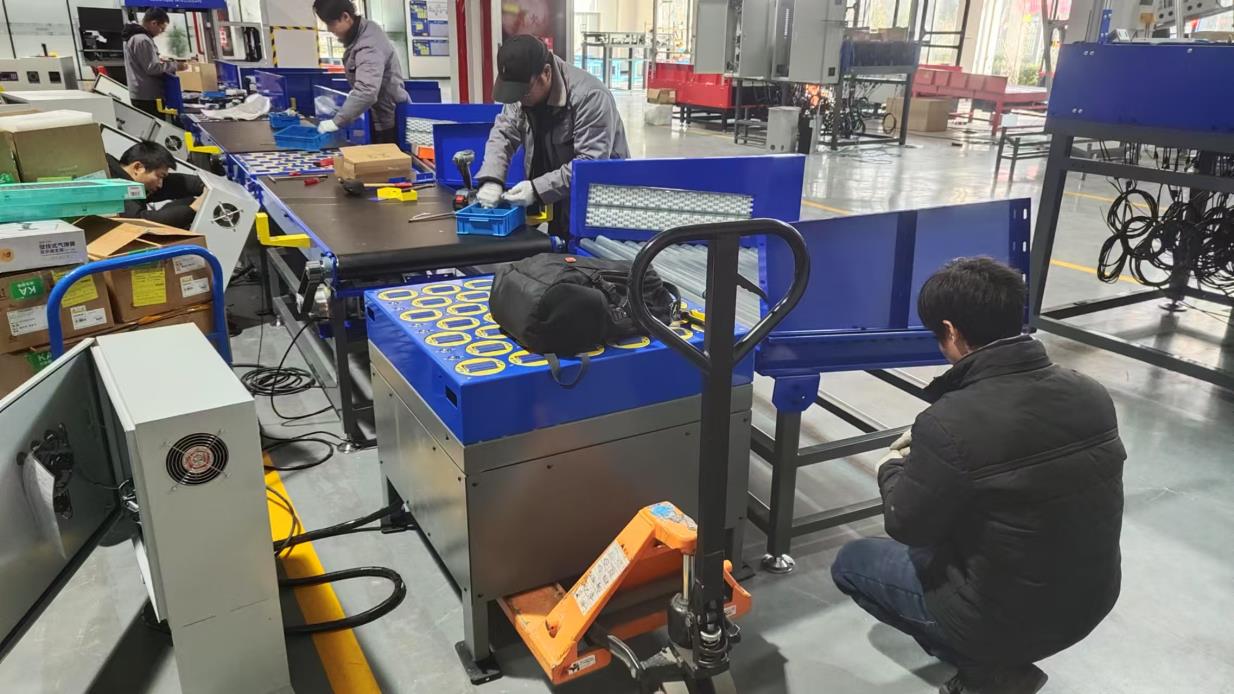
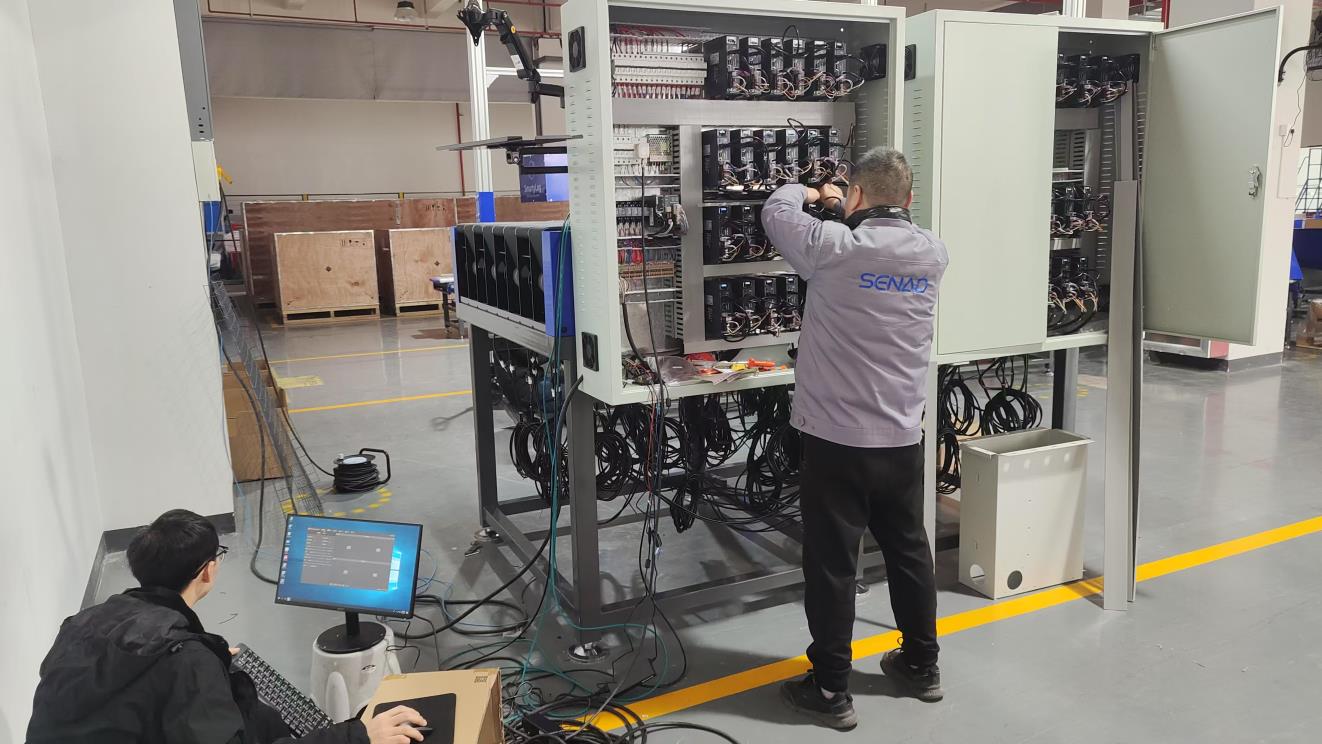
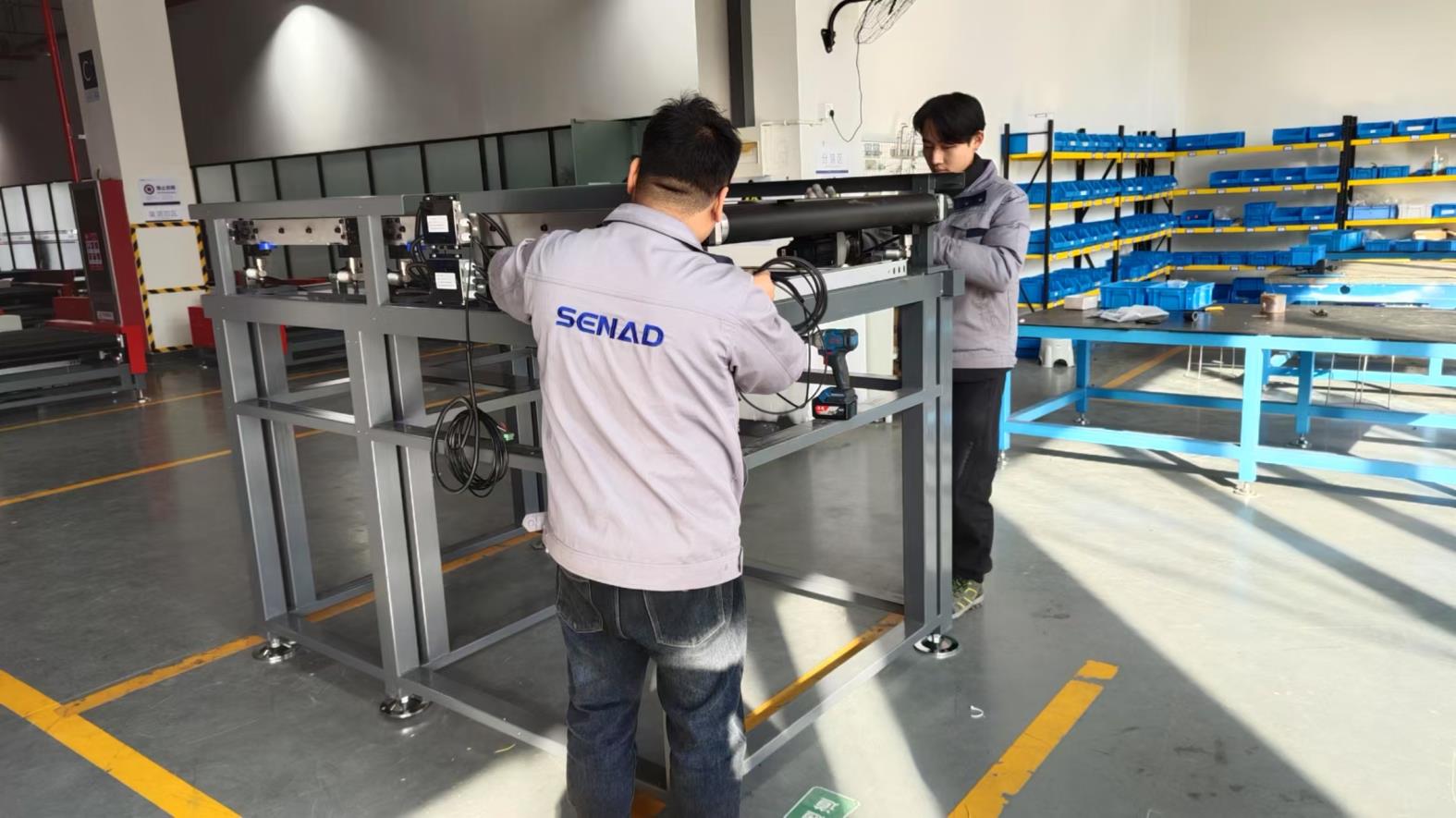
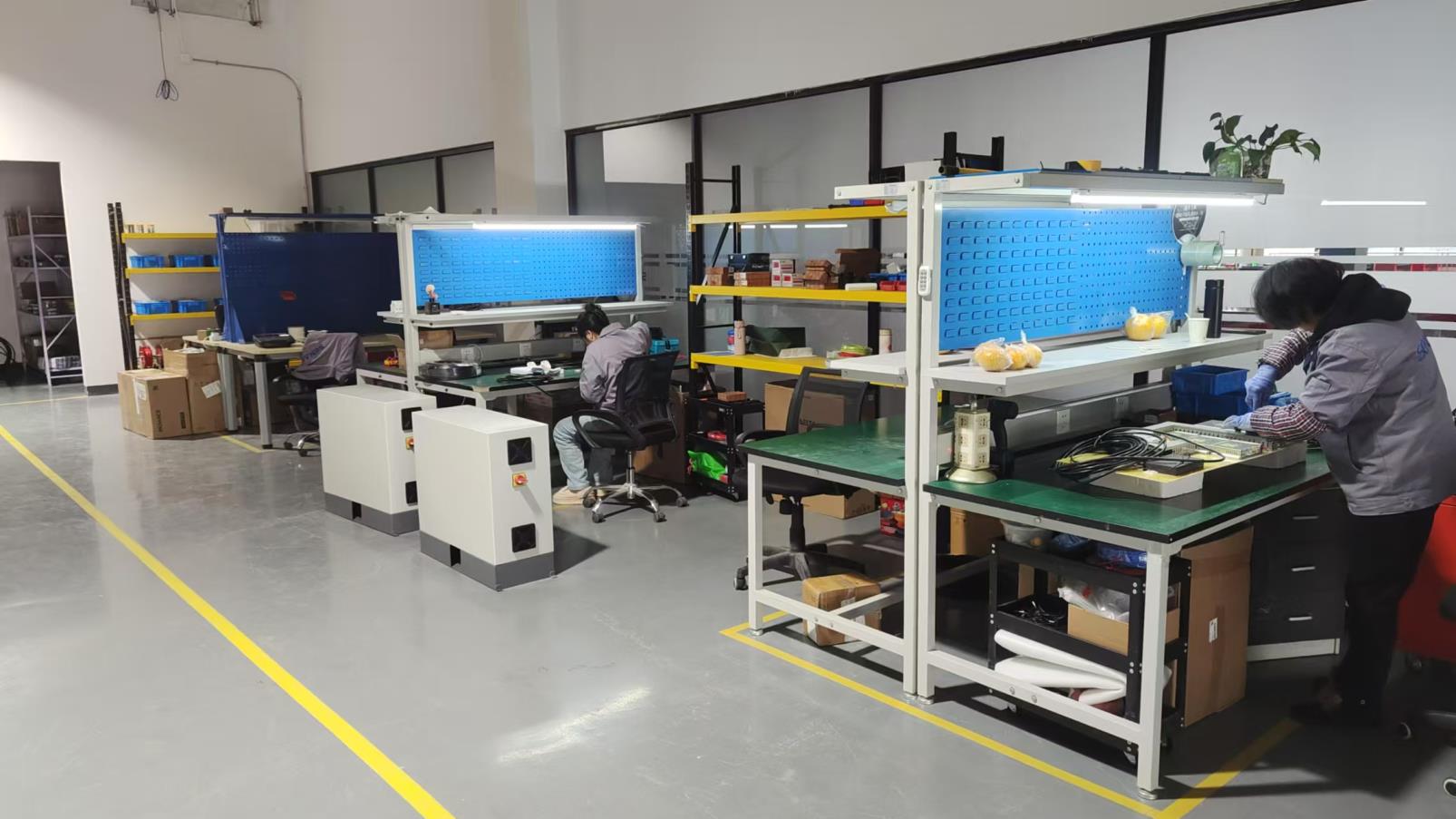
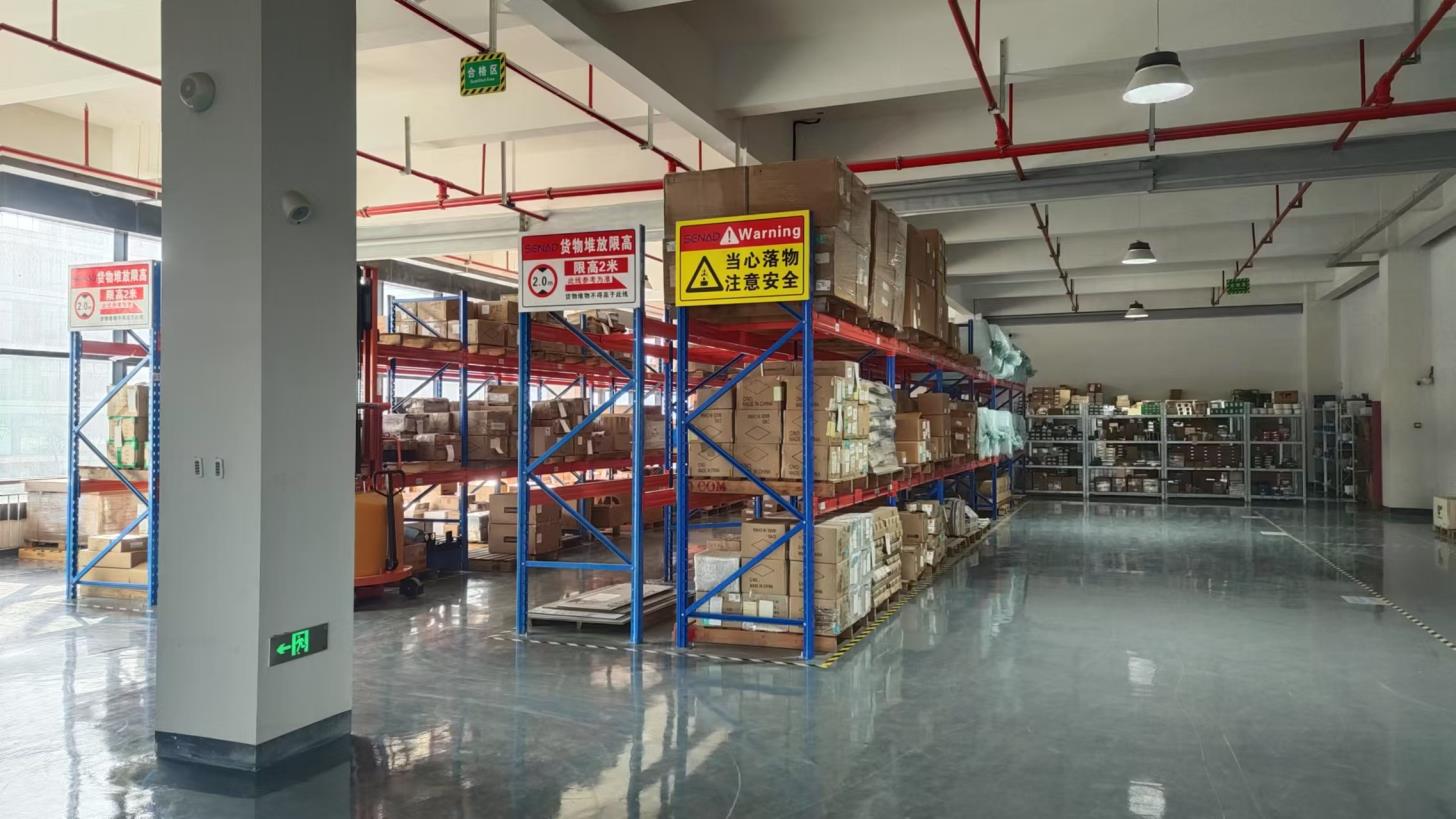
The field of autonomous mobile systems is shifting toward smarter, highly adaptable fleets. Key technical trends include:
Purchasing high-performance material handling equipment from China requires careful planning. Global buyers should evaluate:
Get answers to common technical queries about the design, deployment, and performance of our mobile robotic systems.
Our heavy-duty AGVs support payloads from 5 tons up to 100 tons. These units feature specialized multi-link suspension and reinforced frames, making them ideal for heavy steel plants, shipbuilding, and rail maintenance.
We support LiDAR SLAM, magnetic tape, QR code, and laser reflector navigation. For dynamic factory layouts, we often recommend SLAM navigation because it doesn't require modifying the physical floor space.
Yes, our industrial robots and AGVs are built to meet CE standards. They come equipped with safety laser scanners, obstacle avoidance sensors, mechanical bumpers, and emergency stop buttons to ensure safe operation.
Our central dispatch system features open APIs and database connections. This allows for smooth integration with major ERP and WMS platforms (like SAP, Oracle, and customized local systems) to keep inventory tracking in sync.
We use high-capacity lithium iron phosphate (LFP) battery packs. Our robots support automatic online charging—whenever a vehicle is idle, it docks with a charging pad to replenish its battery, enabling continuous 24/7 operation.
Yes. We specialize in custom designs. Whether you need a specific dimension, custom lifting structures, roller configurations, or specialty tools for solar panel installations, our engineering team can build it.
We offer remote technical assistance, including software updates and online diagnostics. For large-scale installations, we can also dispatch technical teams for on-site commissioning, system calibration, and staff training.
Standard models typically ship within 30 to 45 days. Complex projects requiring custom engineering, special load-bearing setups, or custom software integration may take between 60 and 90 days.
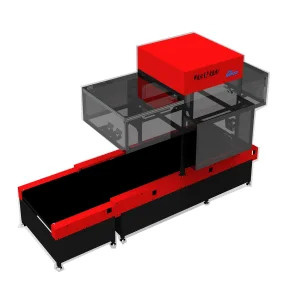
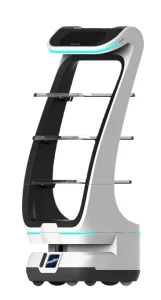
Discover our specialized systems for high-density storage, package sorting, and solar farm cleaning.