Lunasol Logistics
Lunasol Logistics
Lunasol Logistics
Explore our high-performance line of autonomous transporters, precision palletizers, and smart logistics robots designed for real-time facility intelligence.
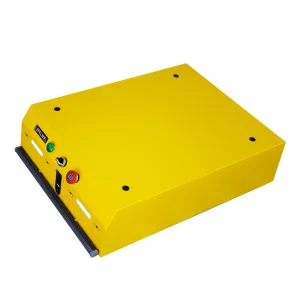
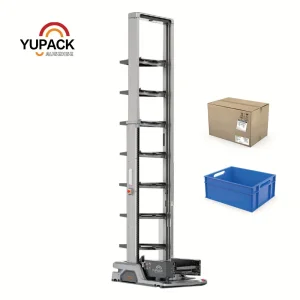
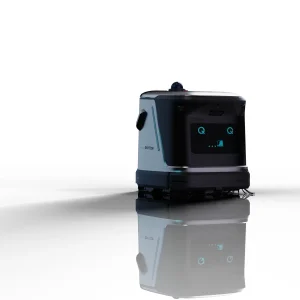
A comprehensive overview of intralogistics evolution, precision control vectors, and high-efficiency material routing systems.
The global manufacturing and supply chain sectors are witnessing a profound structural paradigm shift. Traditionally, "remote control robots" referred to hardwired or radio-frequency handheld units that depended entirely on manual human control. Today, the convergence of Industrial Internet of Things (IIoT), high-frequency teleoperation, and local autonomous SLAM (Simultaneous Localization and Mapping) systems has transformed the industry. Remote-controlled robotics has evolved into highly autonomous, remotely monitored fleets that carry out repetitive, heavy-load, or hazardous tasks with sub-millimeter accuracy.
From advanced automotive assembly floors to complex pharmaceutical warehouses, global enterprises are seeking automated material transport structures that minimize labor dependency, eliminate routing errors, and scale throughput. Key intralogistics networks now rely on heavy-load transporters, forklift AGVs, and collaborative robotic arms working in unified, automated environments.
By leveraging intelligent routing protocols, fleet management APIs, and automatic charging infrastructure, modern factories achieve continuous operational loops, maintaining 24/7 productivity with minimal manual intervention.
Modern industrial automation relies heavily on scalable payloads and high-density material dispatching systems. Transitioning to autonomous guided vehicles minimizes human intervention in high-risk zones, reducing operational liabilities while boosting overall factory output.

Located in Dalian City, Daian Lunasol Logistics Technology Co., Ltd. is a premier industrial developer specializing in R&D, production, sales, technical support, and comprehensive after-sales services in the automation and robotics sector.
Our core product line covers:
Our payload solutions span from light-duty handling units starting at 0.5 tons, medium-heavy lifting AGVs from 2 tons to 5 tons, up to ultra-heavy-duty transporters handling between 5 tons and 100 tons. We offer a comprehensive product catalog including latent traction, roller deck, lift platforms, traction towing, load-bearing units, forklift systems, and medium-to-heavy linkage AGVs.
Our engineered systems are deployed globally in highly demanding sectors, including automotive manufacturing, logistics and warehousing, shipbuilding yards, iron and steel metallurgy, special vehicles, high-speed rail, subway assemblies, injection molding operations, and precision electronics. Our esteemed enterprise clients and collaborative units include FAW Flag, CIMC Group, Yada New Materials, Zoomlion, Russia Federal Railways, and many other global industrial leaders.
By studying foreign technological paradigms and pioneering independent R&D efforts, we have mastered the core technology of our systems. We hold full independent intellectual property rights over our key proprietary developments, including AGV guidance controllers, advanced guidance sensors, smart lithium battery management systems (BMS), and automated online opportunity-charging systems, securing our position as a leading technology provider.
Engineered to handle varied facility topologies, cargo dimensions, and dynamic load structures.
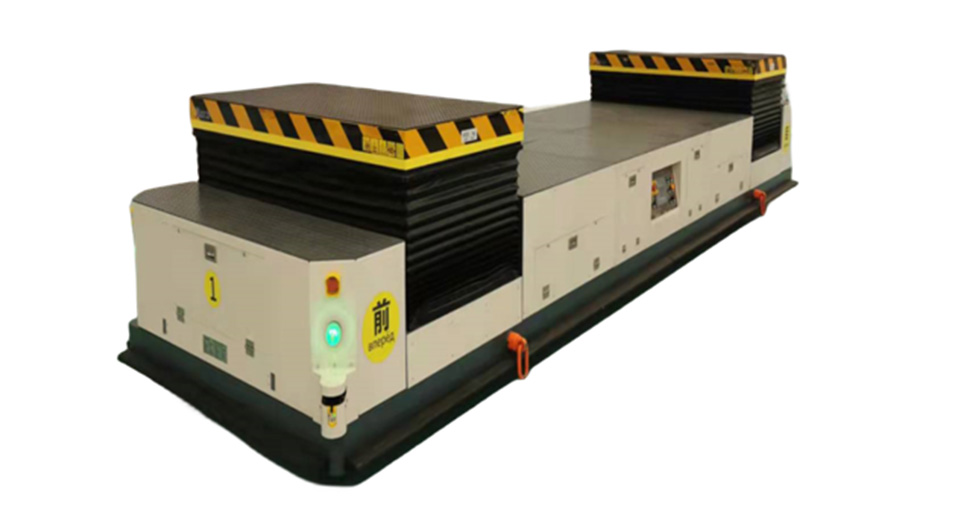
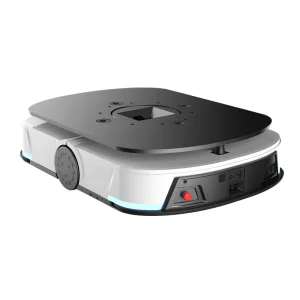
The piggyback/carrier AGV adopts a robust load-bearing body structure designed to support heavy workpieces and travel fluidly in multiple directions. This facilitates efficient, hassle-free transportation of cargo between different workshops or assembly stations. Multiple backpack AGVs can be synchronized and integrated to function as a dynamic, flexible assembly line, effectively replacing rigid mechanical conveyor belts and offering unparalleled facility agility.
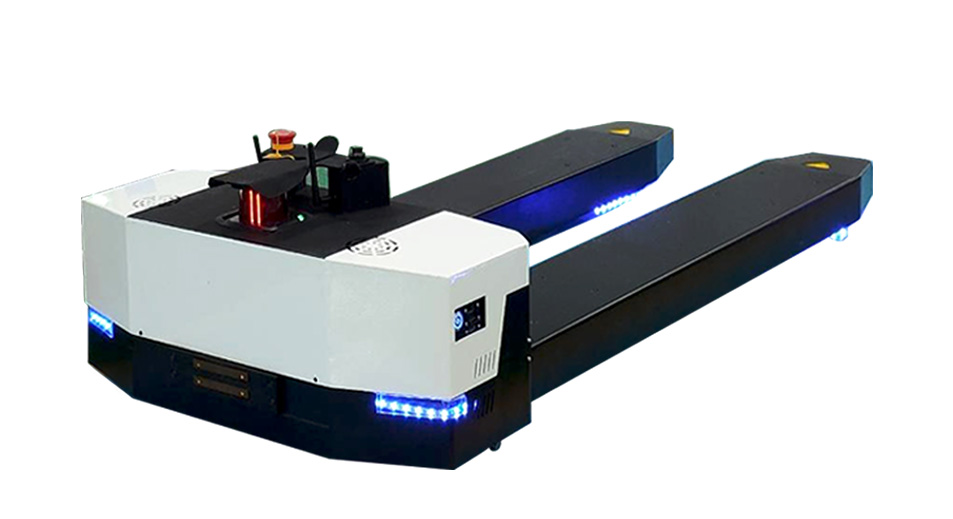
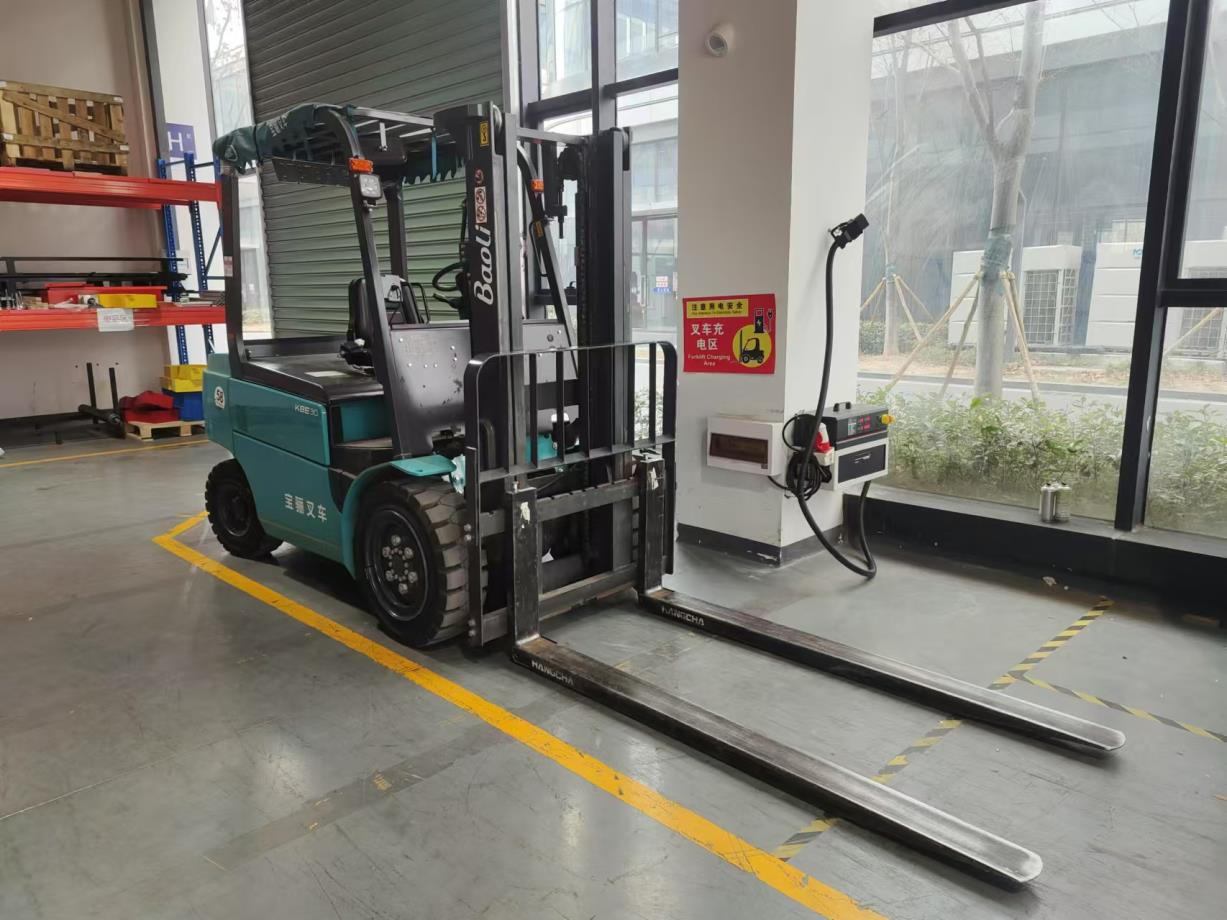
Forklift-type AGVs are widely utilized for lifting and transporting heavy loads across varying warehouse levels. Engineered with a compact turning radius and optimized spatial requirements, they operate efficiently even in narrow aisles and dense storage systems. They integrate seamlessly with standard pallet racks, automated warehouses, and production interfaces to ensure high safety standards and minimal product damage.
How Daian Lunasol pairs localized industrial efficiency with rigorous international engineering standards.
China's industrial ecosystem offers unmatched concentration of mechanical, electronic, and sensor components. Our Dalian facility capitalizes on this localized availability to drastically reduce R&D cycle times and material sourcing costs, passing these direct savings to wholesale purchasers worldwide.
Unlike assembly-only suppliers, we develop and program our own AGV controller boards, guidance sensors, and battery management modules. This intellectual autonomy ensures complete freedom to customize firmware, control logic, and communication interfaces for specialized corporate projects.
Our agile engineering methodology and advanced manufacturing facilities allow us to design, prototype, assemble, test, and ship highly complex, heavy-duty AGV fleets and multi-axis collaborative robotic arms in fractions of the time required by Western OEMs.
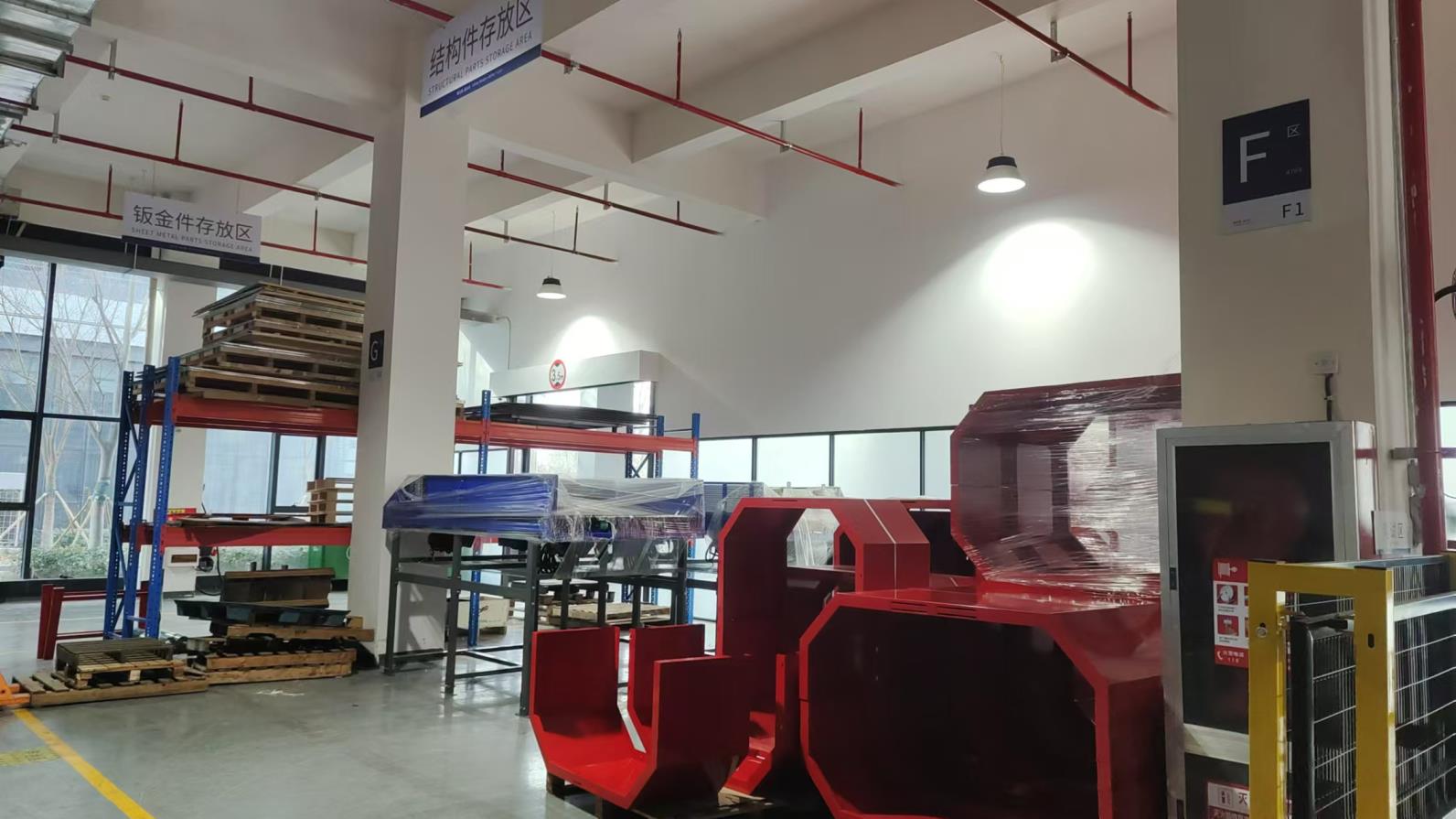
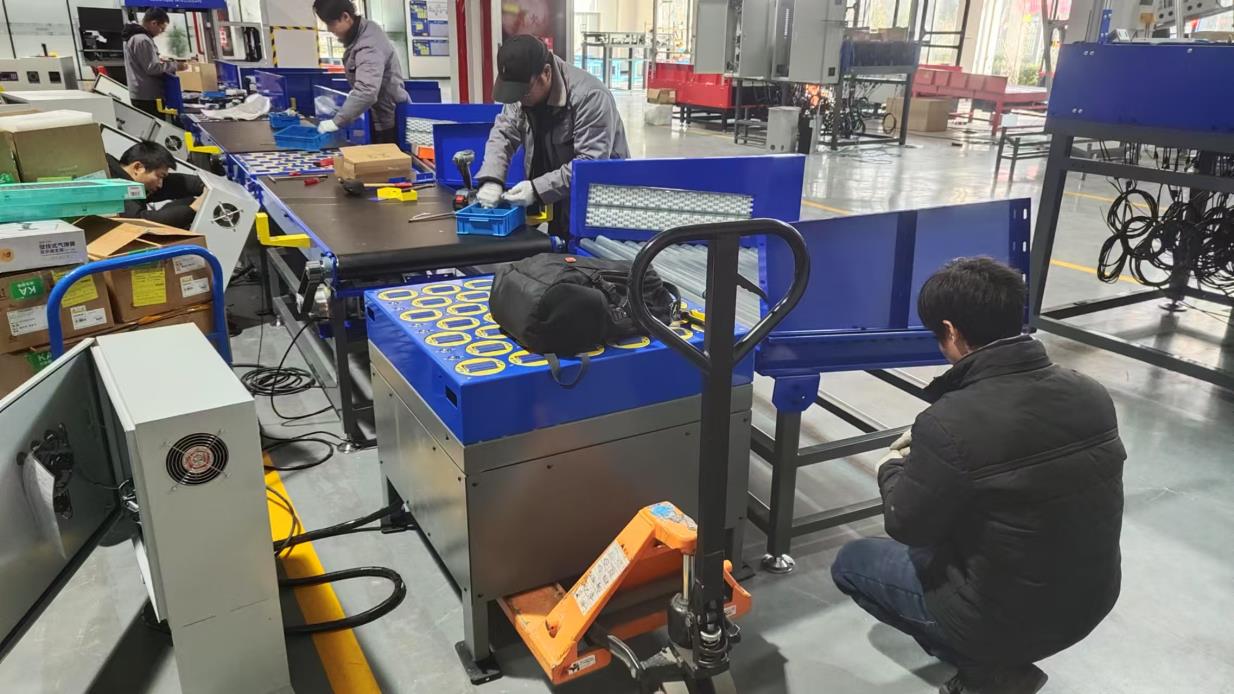
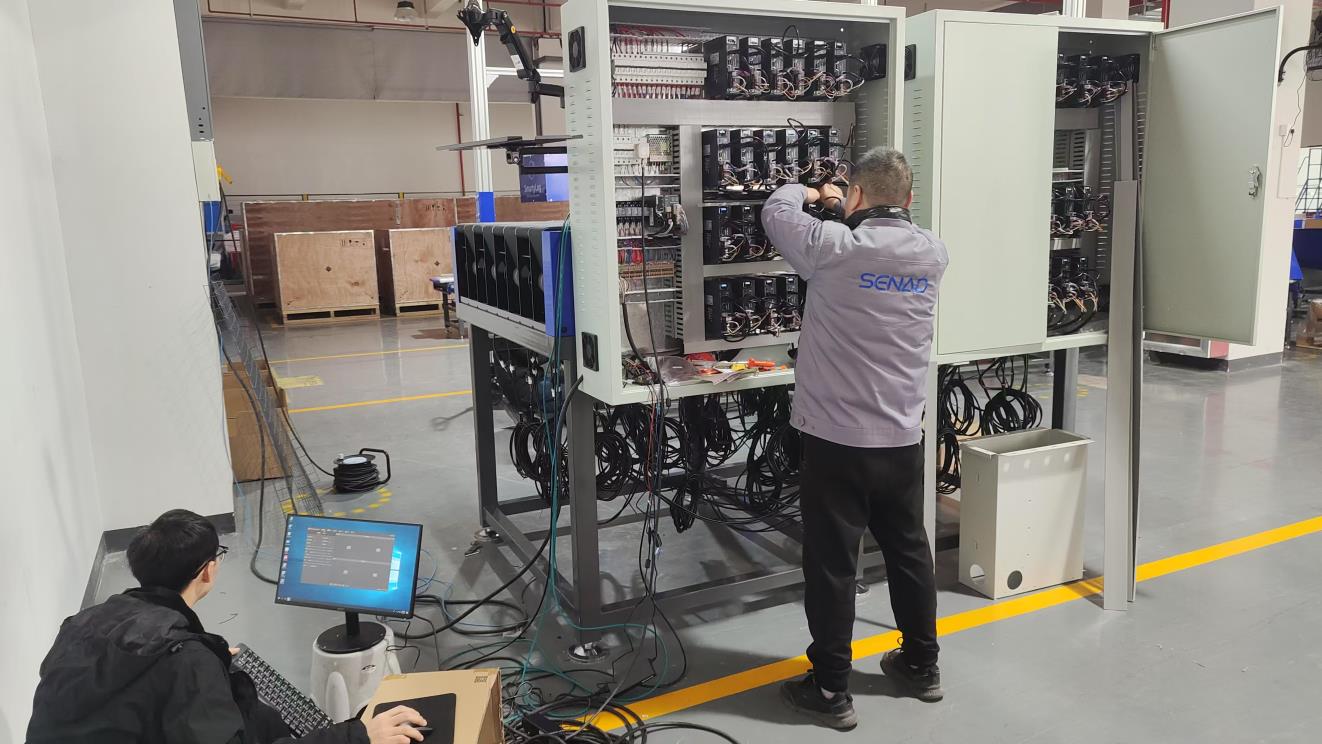
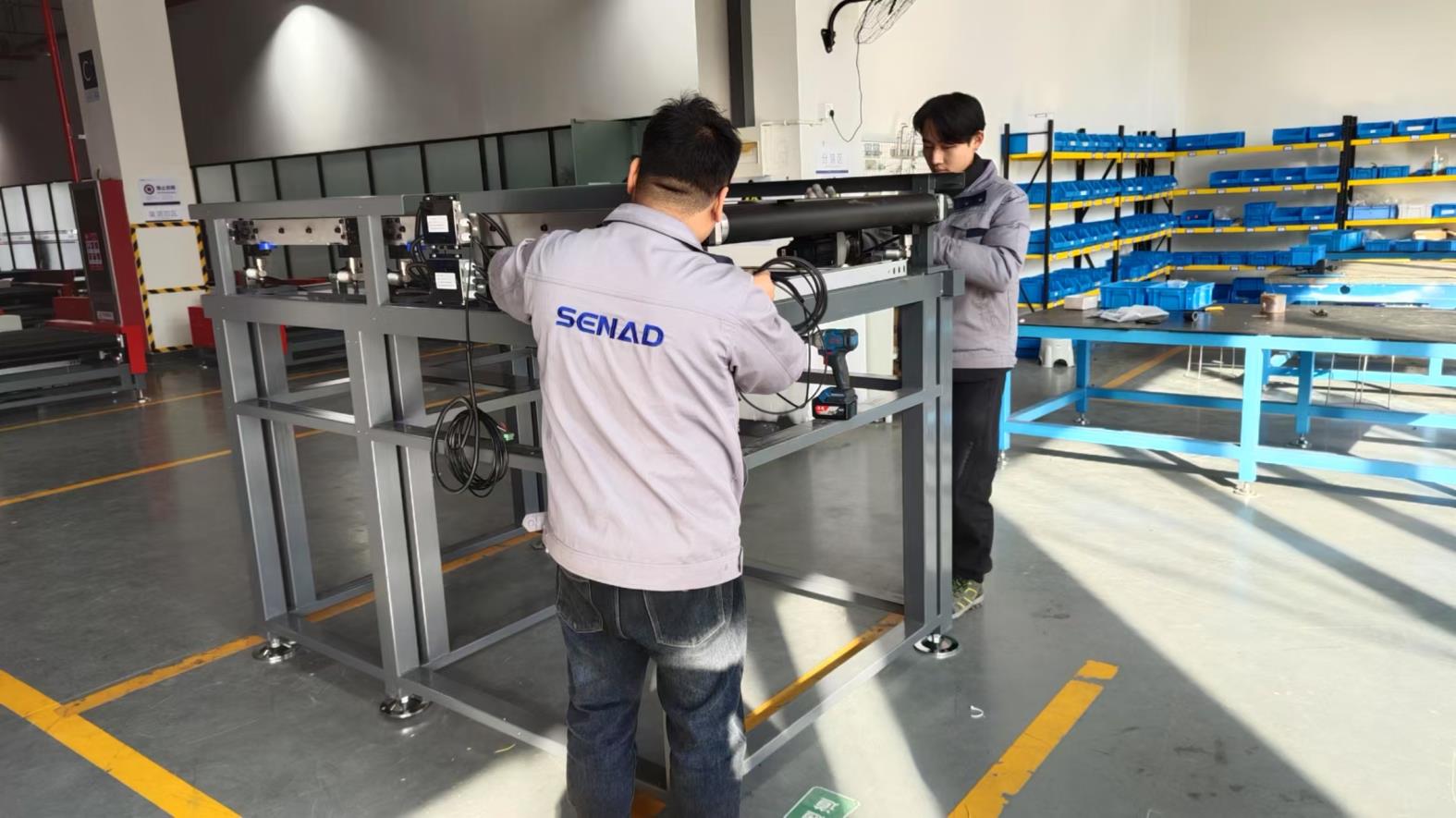
A visual gallery of our high-quality AGV platforms and automated components trusted by FAW Flag, Zoomlion, Russia Federal Railways, and more.
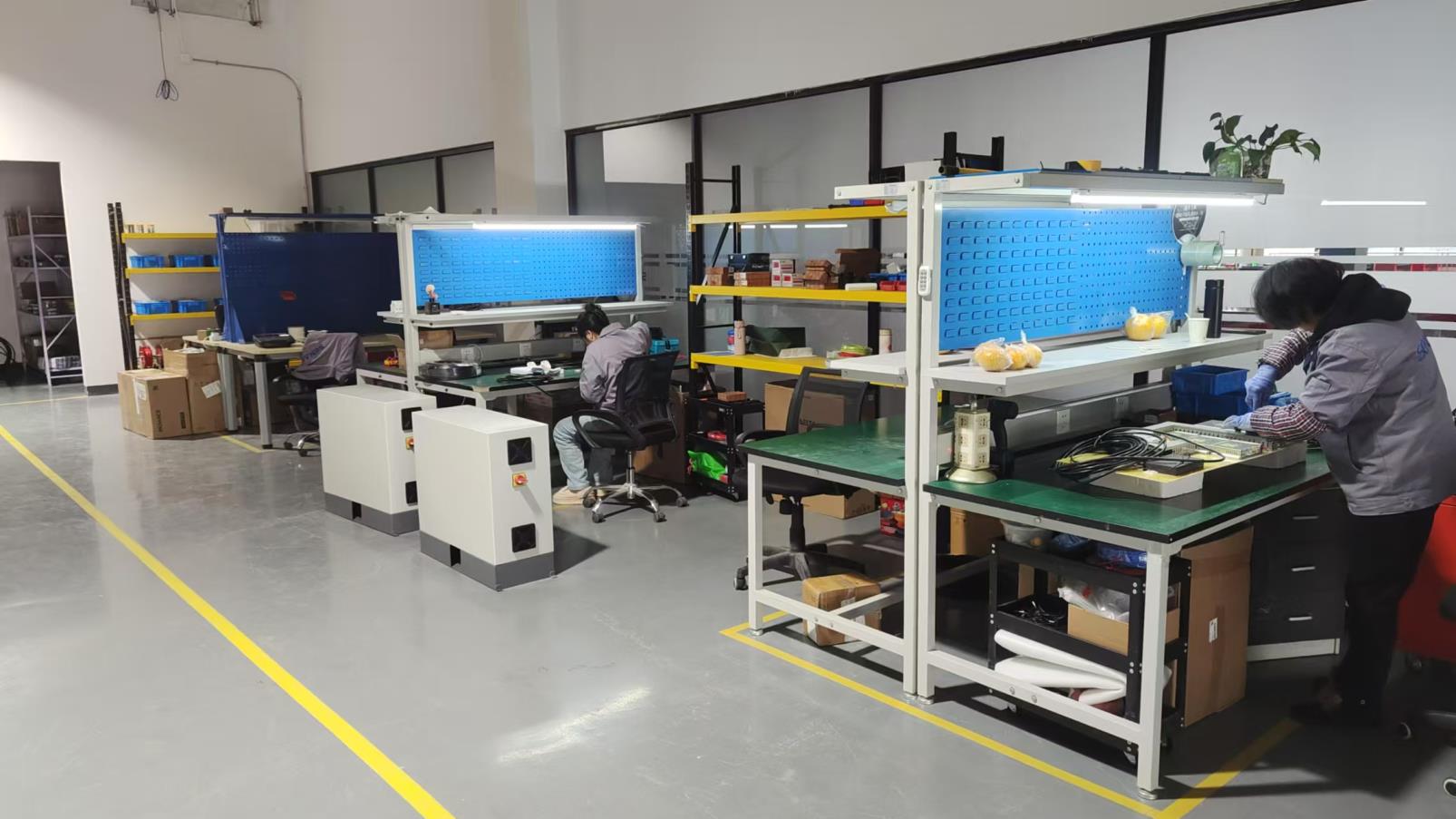
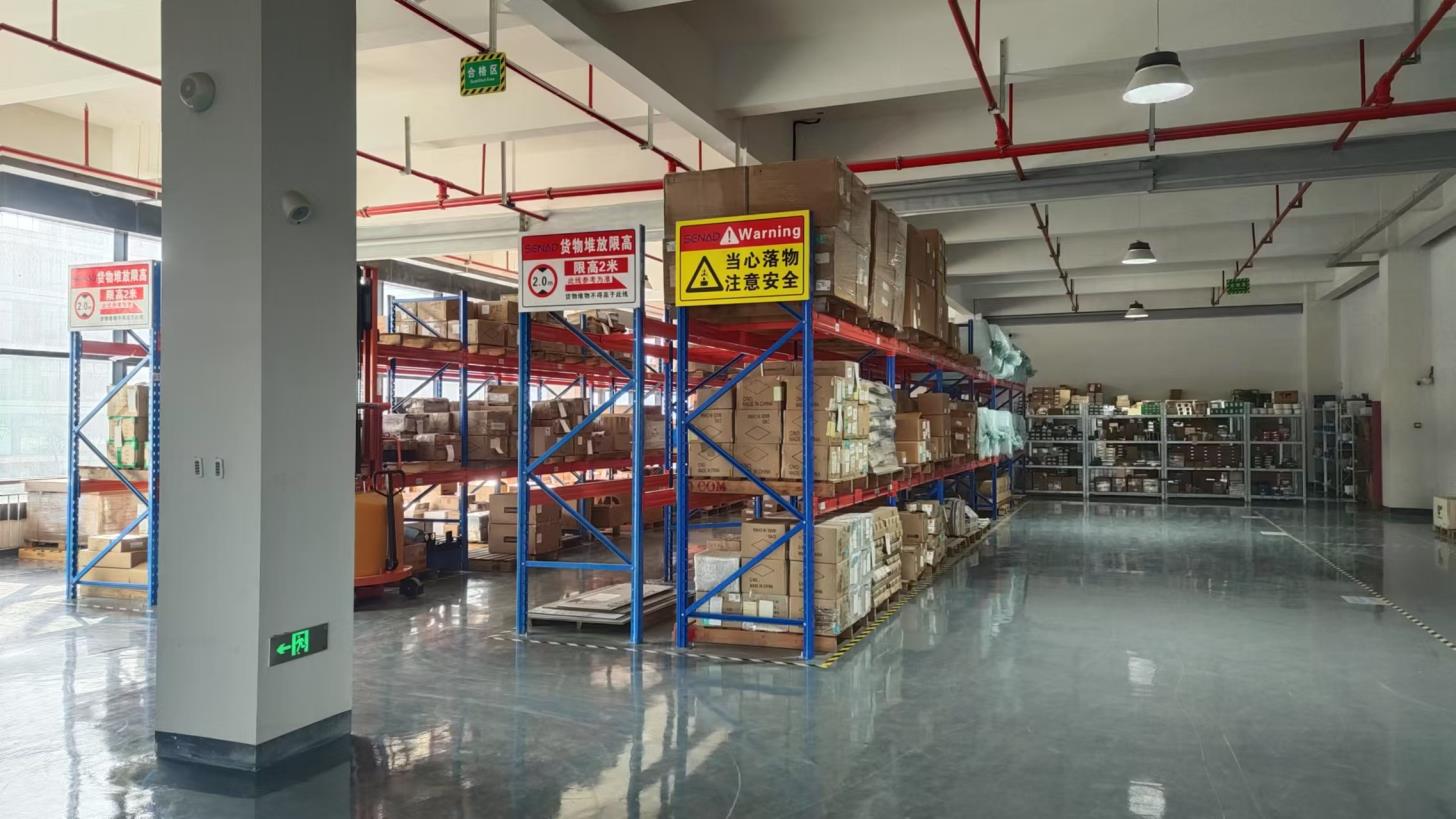
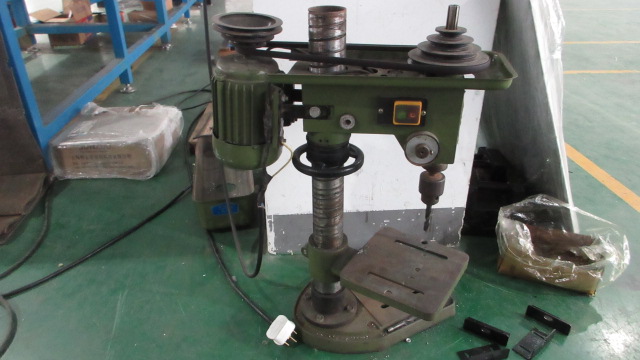
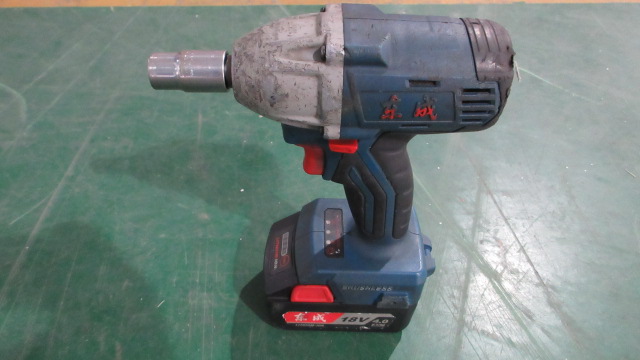
Discover how our robotic units interface with localized manufacturing processes, heavy storage yards, and clean-room assembly lines.
In vehicle manufacturing plants, our Carrier AGVs work in synchronized groups to transport heavy chassis and engine blocks. They serve as moving workstations that adjust elevation and position based on line operator workflow, replacing traditional fixed-link conveyor lines with a highly flexible assembly environment.
Moving large metal rolls, raw castings, and structural alloys requires extreme load tolerances. Our heavy-duty transporters with up to 100-ton capacity are built with reinforced structural members and specialized guidance controllers to safely navigate extreme temperatures and dynamic metallic interference fields.
Leveraging Laser SLAM navigation and magnetic path configurations, our AMR and forklift AGV fleets organize and transport retail and industrial pallets. By communicating with local WMS and ERP systems, they dispatch dynamically to reduce pick-and-pack times and prevent stock bottlenecks.
Technical guidance and sourcing information curated by our engineering division to streamline your procurement process.
We provide a diverse range of navigation options to suit different environment structures. These include magnetic tape guidance (high-reliability, low-cost tracking), Laser SLAM (high-flexibility, map-based, reflectorless path planning), and QR code/inertial grid arrays. Our proprietary guidance controllers and multi-sensor configurations allow for hybrid navigation setups where necessary.
Yes. Our heavy-duty transporters utilize reinforced box-girder steel structures, robust multi-wheel drive-steer modules, and advanced suspension systems. Safety features include redundant LiDAR safety scanners, safety contact edges, visual-acoustic alert indicators, and emergency braking systems to protect both operators and cargo in busy industrial zones.
Our automated online charging system uses opportunity charging. When an AGV's battery falls below a pre-set threshold or when the vehicle is idling at a loading station, it automatically docks with a floor-mounted or side-mounted charging pad. High-rate lithium battery packs receive high-amperage top-ups in short bursts, allowing for 24/7 continuous operation without requiring manual battery swaps.
Absolutely. We offer comprehensive software integration services. Our central dispatch and fleet control software connects directly with client WMS (Warehouse Management System) and ERP (Enterprise Resource Planning) systems via API, TCP/IP, or custom database calls. This allows for automated order routing, traffic light intersection control, and real-time telemetry tracking.
Standard systems and components are typically processed and shipped within 4 to 8 weeks. For highly customized, heavy-duty linkage AGVs, large multi-robot configurations, or automated production lines, the lead time ranges from 12 to 16 weeks. This timeline includes engineering modeling, software testing, physical assembly, load testing, and export-compliant packaging.
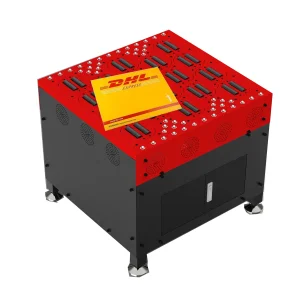
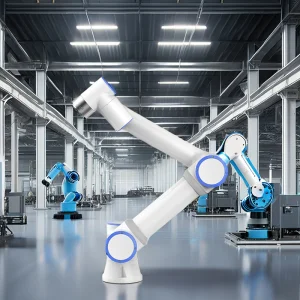
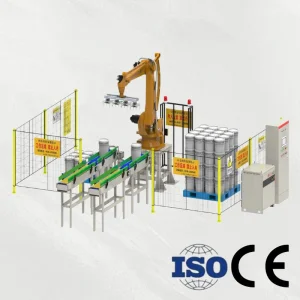
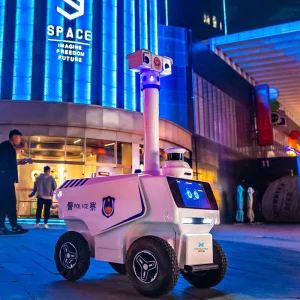
Specialized mobile bases, high-payload robotic manipulators, and high-volume sorting lines for end-to-end operational efficiency.