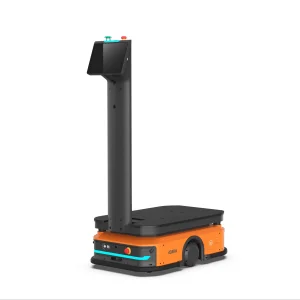
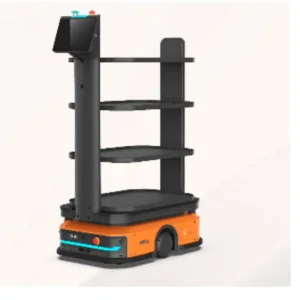
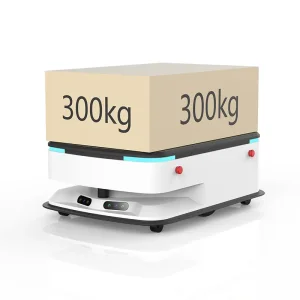
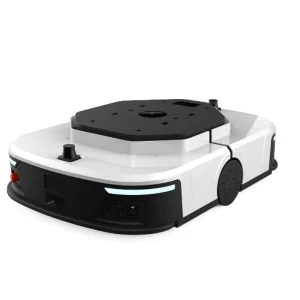
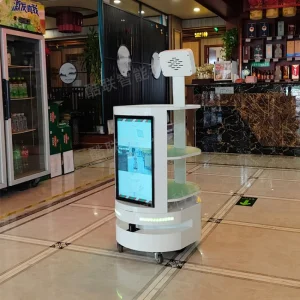
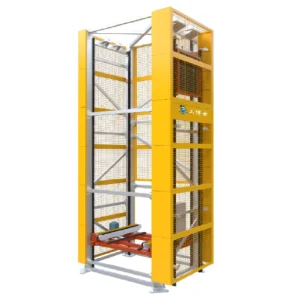
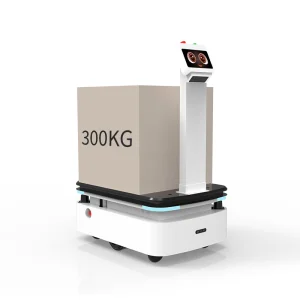
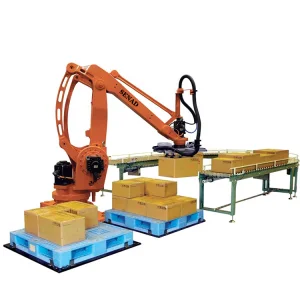
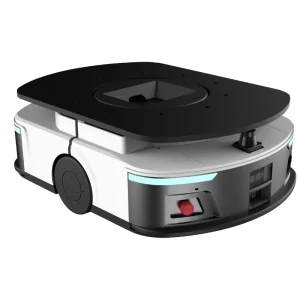
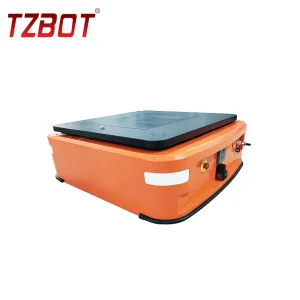
AMR robots have been one of the most discussed forms of automation technology in manufacturing and distribution centers. The potential to have automated transportation is a huge benefit to save on costs but also to fight off labor shortages. Understanding the basics of this technology helps reveal why the AMR robot is such a polarizing piece of equipment in modern logistics.
The AMRs require incredibly sophisticated sensors to be fitted in their unit in order for them to navigate efficiently. Although several environmental sensors can be used, laser scanners and LiDAR sensors are most frequently employed. LiDAR scanners operate by sending out light pulses that strike various surfaces and bounce the light back to the sensor, where it is detected again. The processing system determines the time taken for the light to return, enabling the AMR to map distances and identify navigable areas versus obstacles.
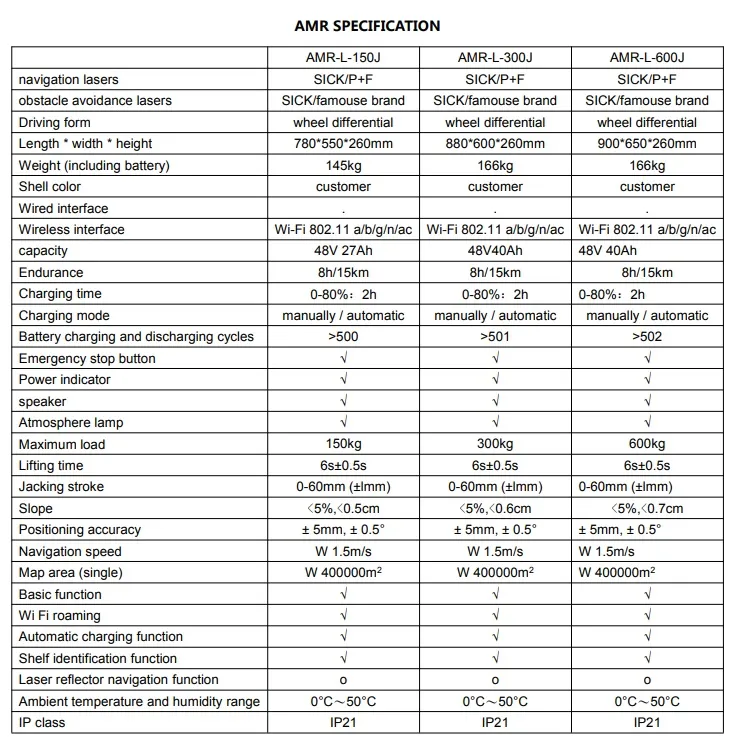
1. Surface Requirements: The road surface shall be flat and clean without obvious fluctuation. The inclination must not exceed 5%. The robot should not stop or turn on ramps, steps, or gaps, but only pass perpendicular to them quickly.
2. Positioning Accuracy: Refers to the repetition accuracy of the robot navigating to the target site. When the LiDAR environment is stable, the repetition accuracy can reach expected values. While it ensures arrival point accuracy, path fitting accuracy during virtual path runs is not guaranteed. Minimum station spacing supported is 1CM.
3. Core Functions: Basic functions include map editing, model editing, positioning module, navigation module, basic motion model (differential), and API interface.
4. Charging: The unit must be used with a qualified automatic charging pile for optimal performance.
5. Usage Environment: AMR is designed exclusively for indoor transportation and is not recommended for outdoor environments.
 Lunasol Logistics