Lunasol Logistics Lunasol Logistics

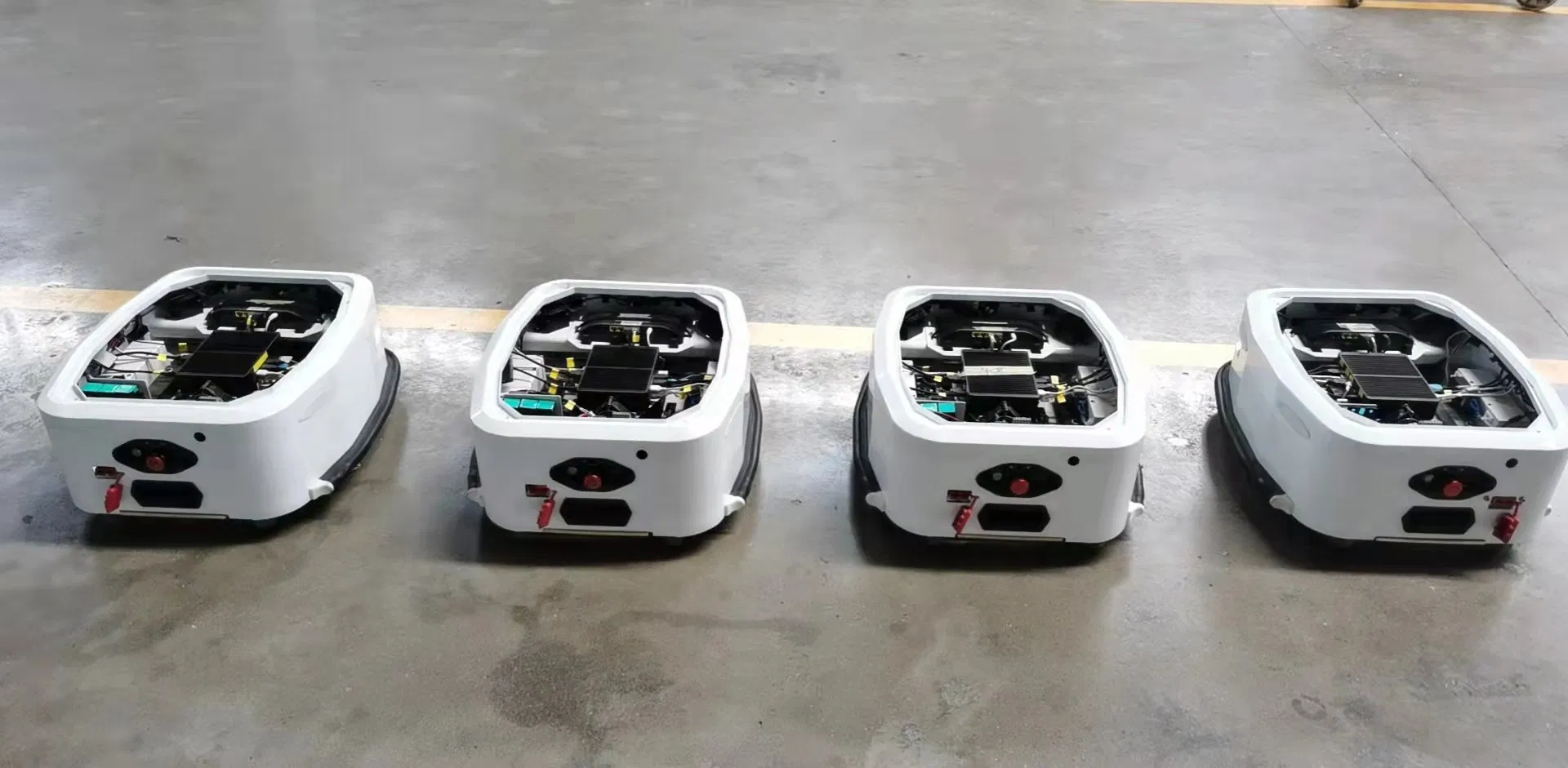
Dls Autonomous Mobile Robot with Best Price

Still deciding? Get samples of $ !
Order Sample

Product Description

📋

Technical Specifications

Model NO.
AMR
Application
Loading
Condition
New
Certification
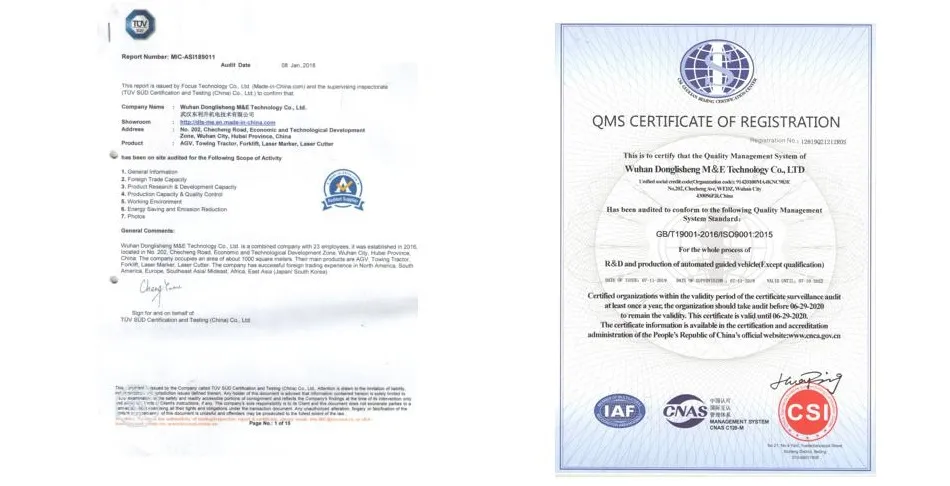
ISO, CE
After-sales
Available
Warranty
One Year
Capacity
5000 Piece / Year
Transport Package
Wooden Case
Package Size
140.00cm * 100.00cm * 60.00cm
Gross Weight
250.000kg
🤖

Product Overview

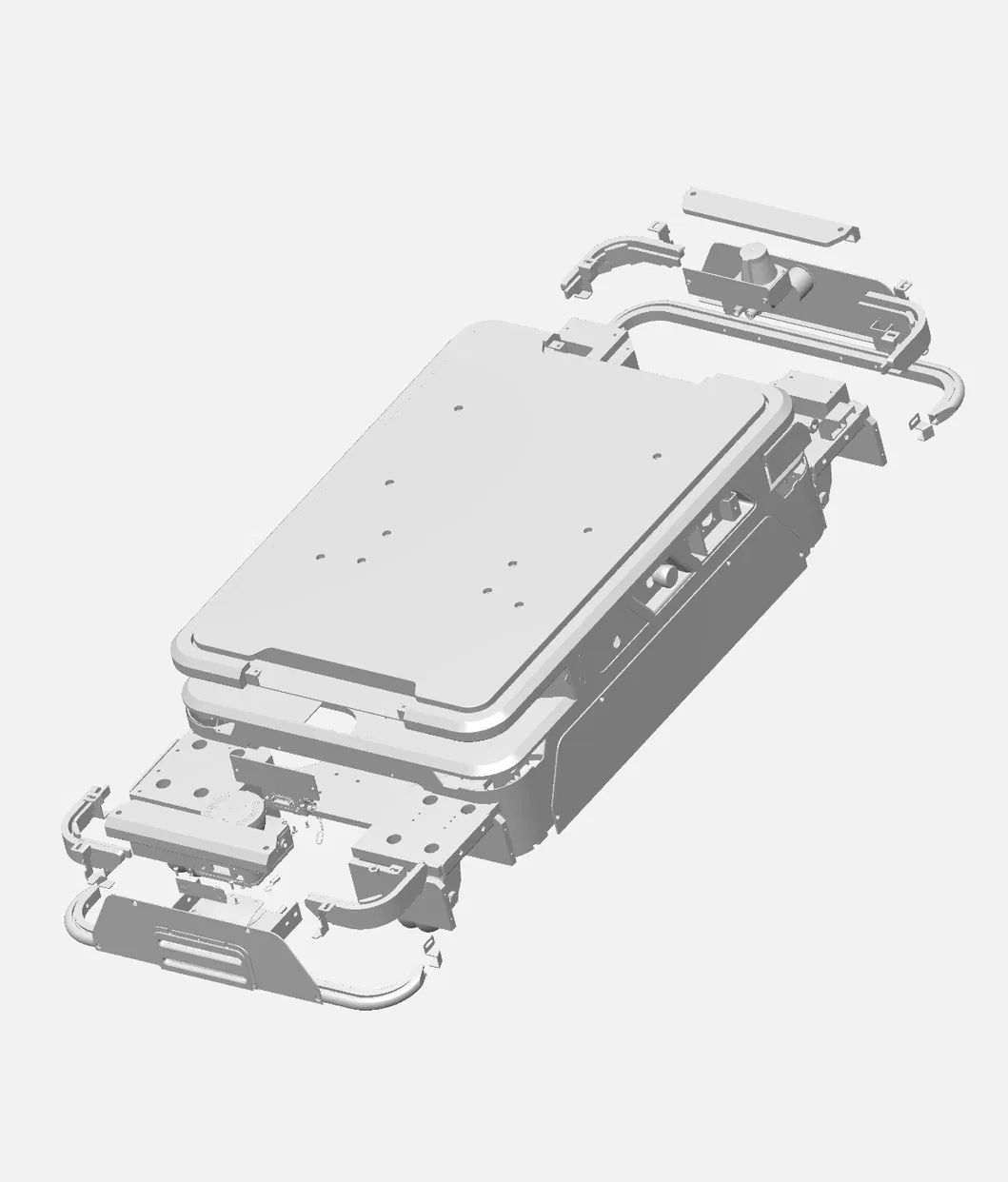
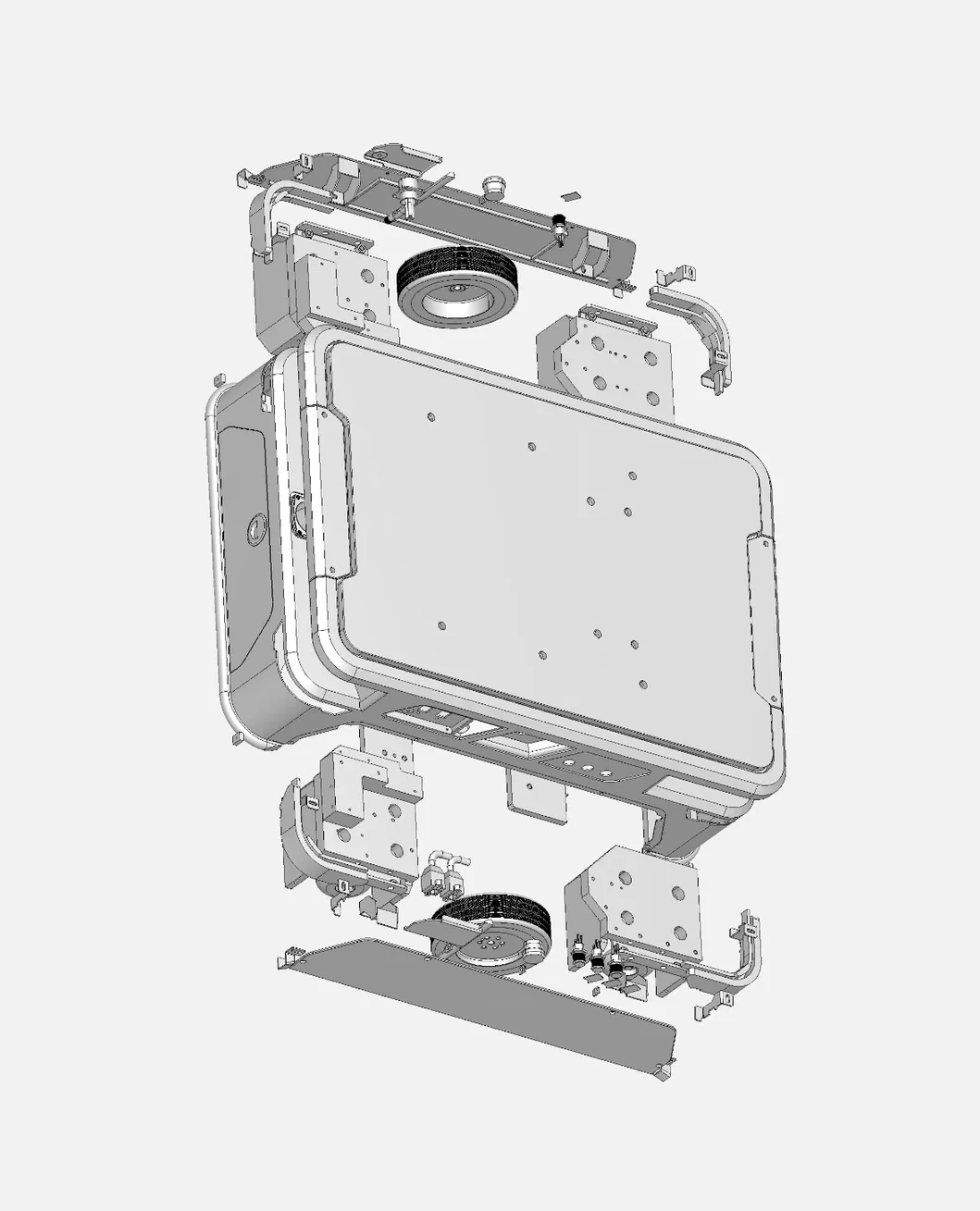
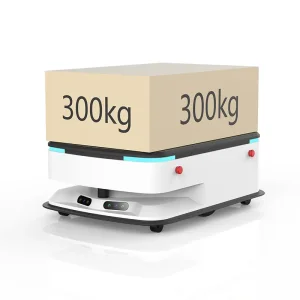
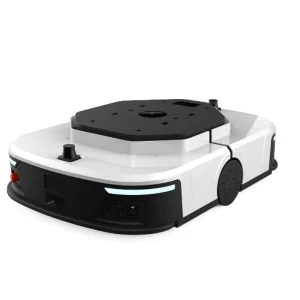
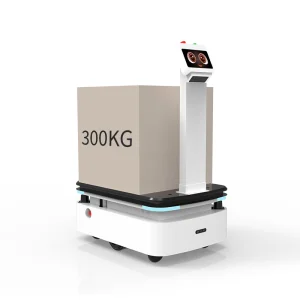
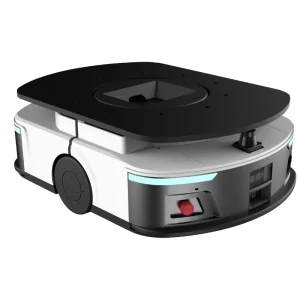
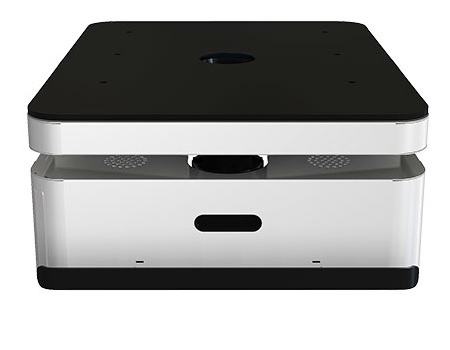
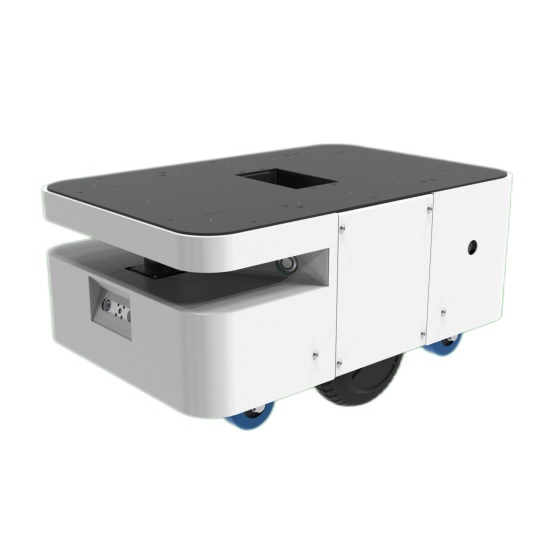
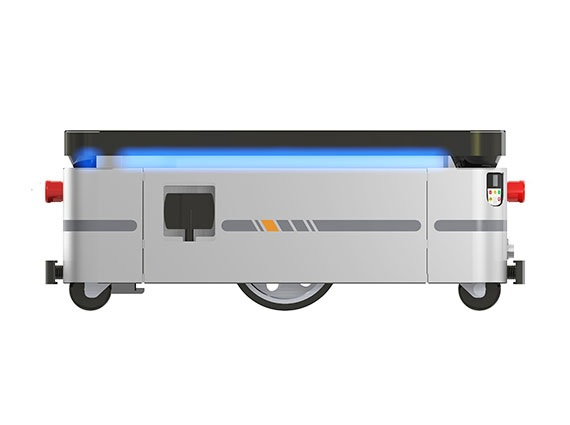
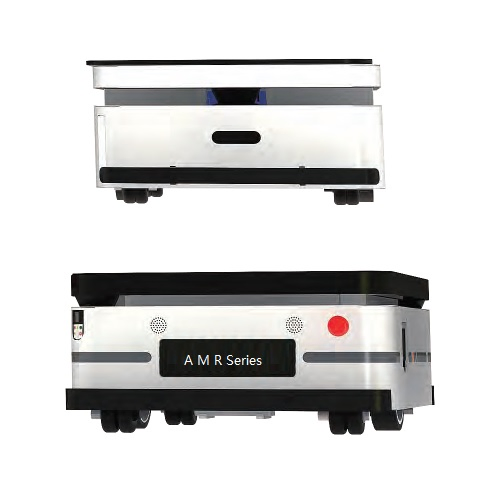
AMR robots represent a leading form of automation technology in modern manufacturing and distribution centers. By enabling automated transportation, these units offer a significant solution for cost reduction and labor shortage challenges. Understanding the core mechanics of an AMR robot reveals why it is such a transformative piece of technology in the industrial sector.

To achieve high-precision navigation, AMRs are equipped with sophisticated sensors. While various environmental sensors are available, laser scanners and LiDAR sensors are the primary choices. LiDAR technology operates by emitting light pulses that reflect off surfaces. The AMR's processing system calculates the time taken for these pulses to return, allowing it to map distances and identify navigable paths vs. obstacles in real-time.
📍
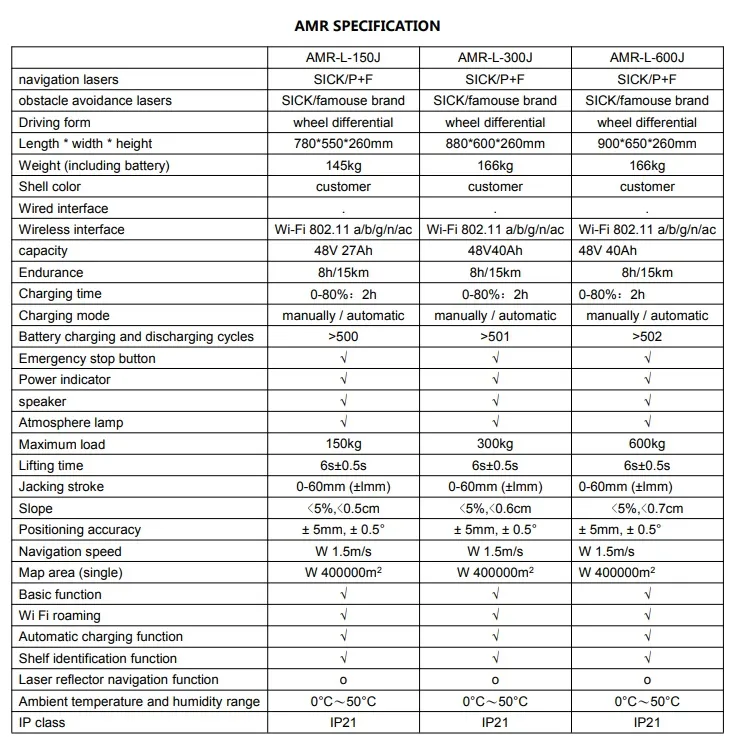
Surface Requirements: Road surfaces must be flat and clean. Inclination should not exceed 5%. The robot should pass through ramps, steps, or gaps quickly and perpendicularly without stopping.
🎯
Positioning Accuracy: Refers to repetition accuracy during navigation. When lidar-scanned environments are stable, the robot achieves its expected repetition accuracy from fixed directions to target sites.
⚙️
Core Functions: Includes map and model editing, positioning and navigation modules, differential motion models, and API interfaces.
🔋
Charging: Systems must be used in conjunction with qualified automatic charging piles.
🏠
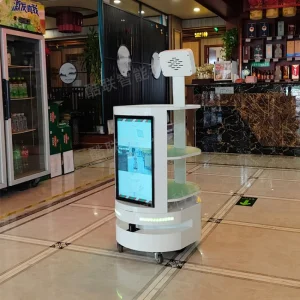
Usage Environment: Designed specifically for indoor transportation; outdoor use is not recommended.
📸

Product Gallery

Frequently Asked Questions

Q1: What is an AMR robot and how does it benefit my facility? Autonomous Mobile Robots (AMRs) automate internal transportation, helping to significantly reduce operational costs and mitigate the impact of labor shortages in manufacturing and distribution centers.
Q2: How do AMR robots navigate without manual intervention? AMRs use sophisticated LiDAR sensors and laser scanners to emit light pulses, mapping their surroundings and calculating safe paths to navigate effectively through complex environments.
Q3: What are the floor requirements for these robots to operate safely? The floor should be flat, clean, and stable. AMRs can handle a maximum inclination of 5%, provided they cross ramps or gaps perpendicularly and without stopping.
Q4: Can the robot be used for outdoor logistics? No, these AMR robots are specifically designed for indoor industrial transportation environments and are not recommended for outdoor use.
Q5: What determines the positioning accuracy of the AMR? Positioning accuracy relies on the stability of the environment scanned by the robot's LiDAR. Under stable conditions, the robot provides highly reliable repetition accuracy when navigating to target sites.
Q6: What software features are included for system management? The system includes map and model editing tools, positioning and navigation modules, an API interface for integration, and a basic differential motion model.

Related Products