Lunasol Logistics Lunasol Logistics

Custom OEM Supply Chain Automation Manufacturers & Factories

Decouple operational constraints and scale dynamic intralogistics with enterprise-grade AGV, AMR, and custom robotics architectures.

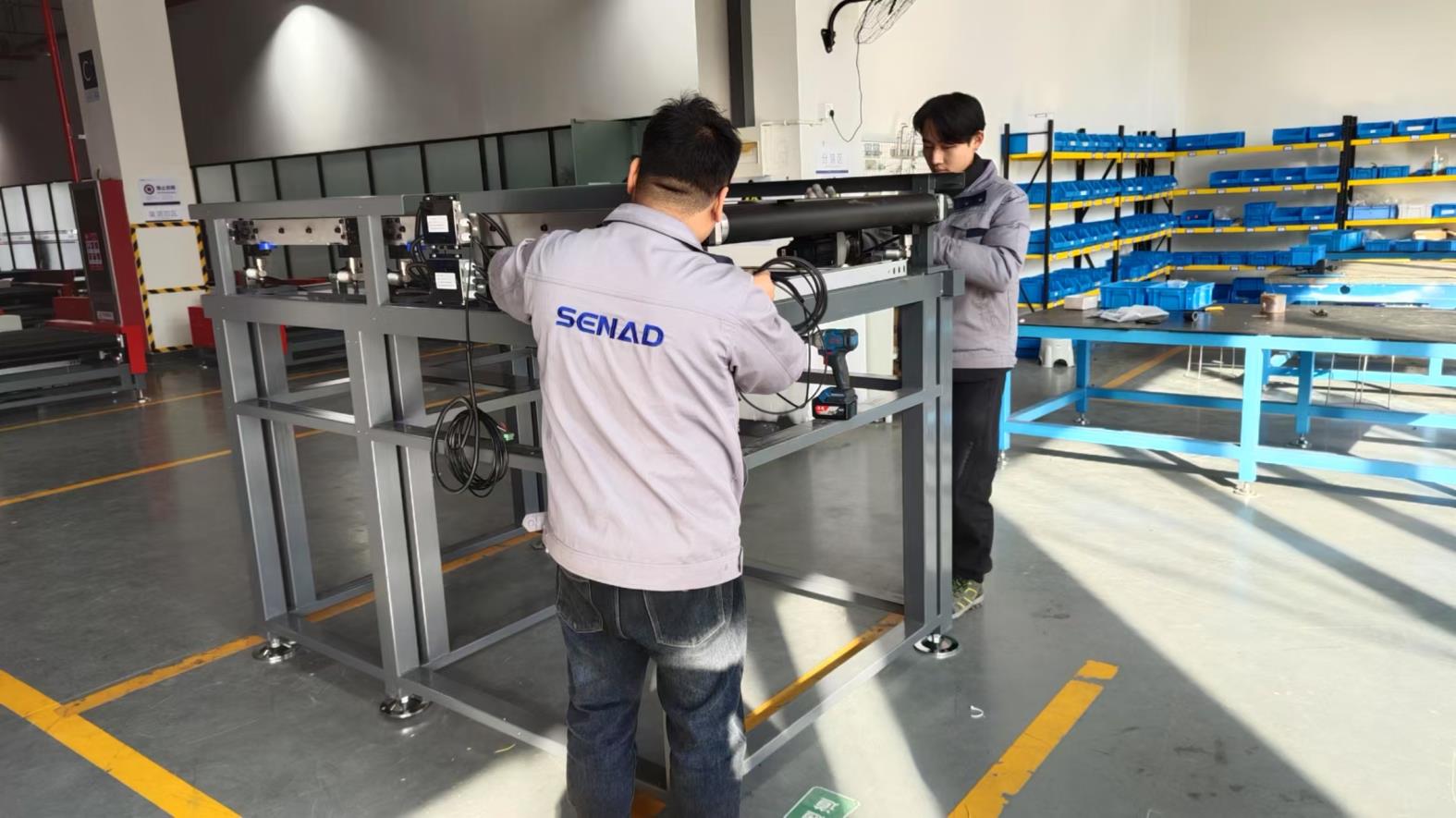
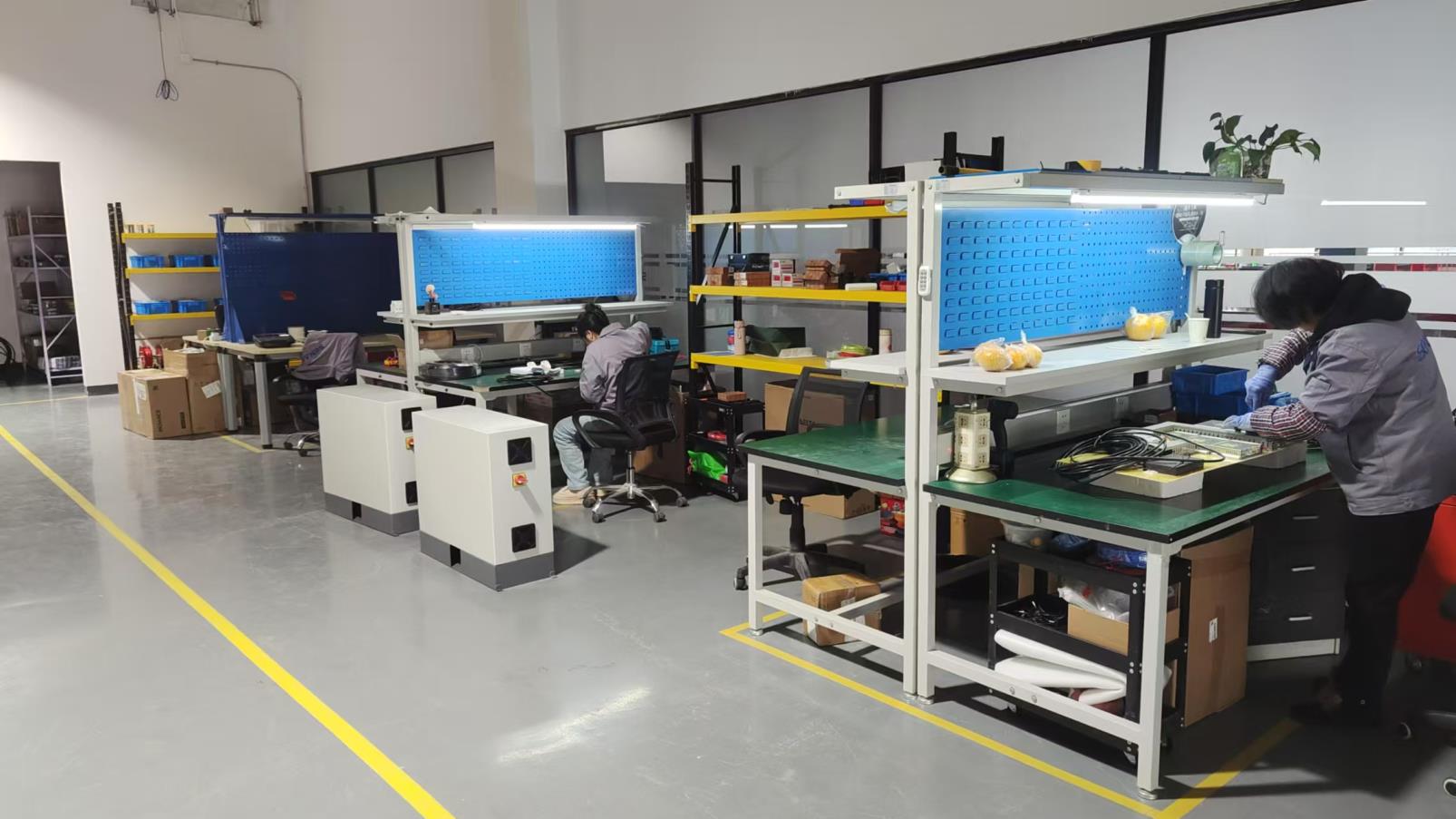
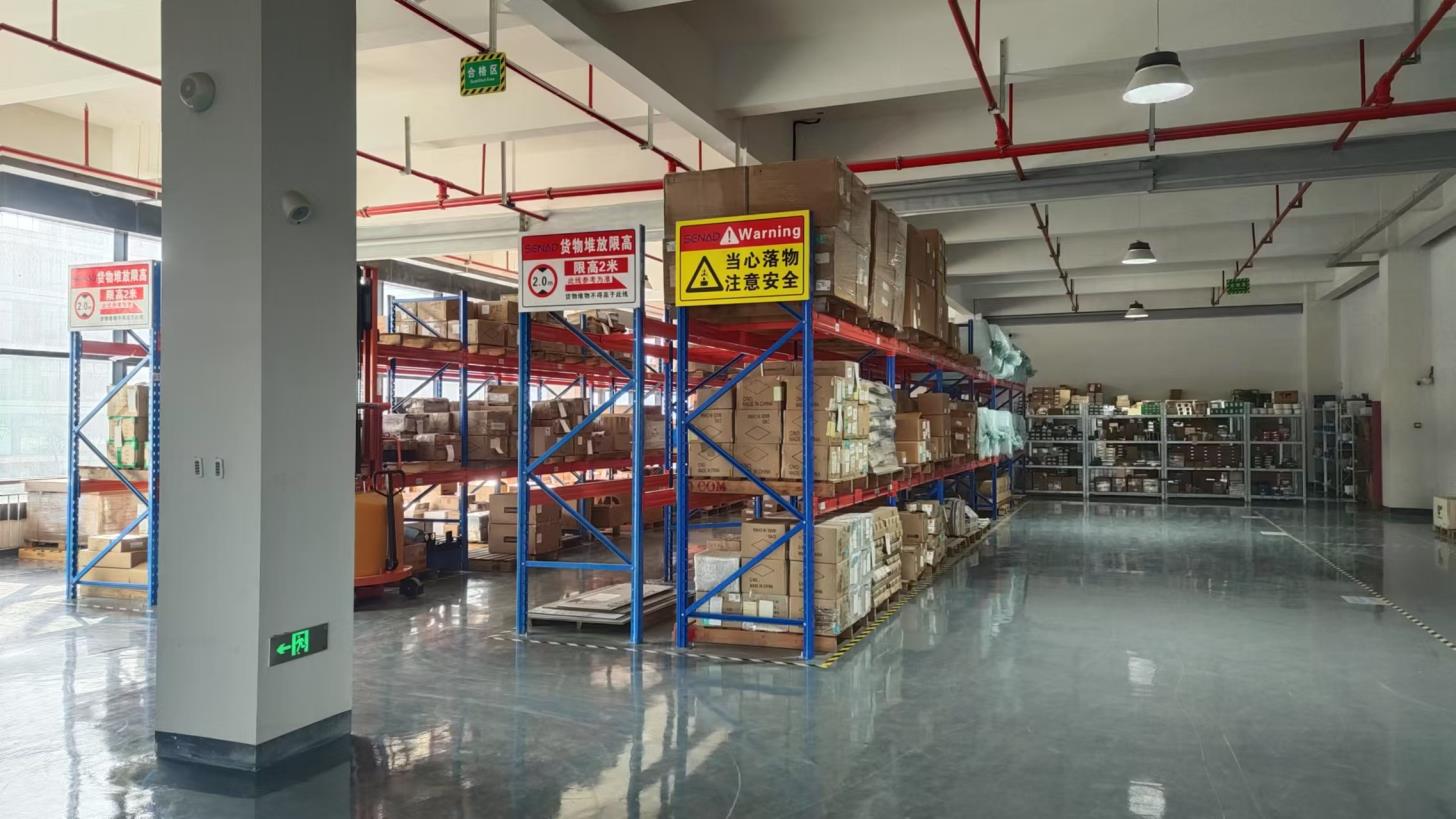
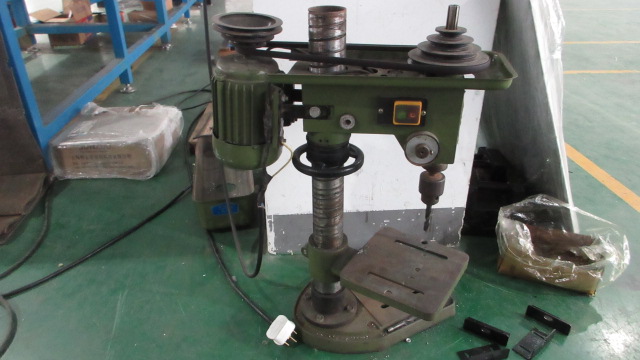
Daian Lunasol Logistics Technology Co., Ltd. Facility and Logo

Pioneering Next-Generation Intralogistics: About Daian Lunasol

Daian Lunasol Logistics Technology Co., Ltd. stands at the vanguard of modern industrial automation. Strategically located in the prominent industrial hub of Dalian City, China, our enterprise has established a complete global ecosystem for the research and development, high-precision manufacturing, distribution, technical integration, and lifecycle maintenance of heavy industrial automation and intelligent mobile robotics.

Our core mission revolves around solving complex material flow challenges for high-throughput industries. We develop specialized AGV (Automated Guided Vehicles) and AGC (Automated Guided Carts), multi-axis industrial articulated arms, and full-scale, non-standard automated production lines. Our proprietary capabilities span light-duty autonomous platforms starting at 0.5 tons up to hyper-capacity heavy-duty engineering solutions built to transport payloads exceeding 100 tons.

By designing and licensing our own advanced guidance systems, control panels, and power management software, we ensure that every system operating in our partners' facilities offers unmatched durability, safety, and operational efficiency.

Enterprise Capacity & Engineering Benchmarks

An empirical overview of our operational capabilities, technical milestones, and manufacturing scale.

100T
Maximum Payload Capacity
100%
In-House Core IP & R&D
24/7
Continuous Intelligent Operation
CE/UL
Global Compliance Ready

WHITE PAPER: Optimizing Global Supply Chain Architectures with Custom OEM Automation & Advanced Intralogistics

In an era defined by global labor deficits, volatile shipping paradigms, and the compression of manufacturing cycle times, the integration of automation inside factories and distribution warehouses has shifted from a capital upgrade to an existential necessity. According to global logistics indices, facilities that integrate autonomous mobile systems reduce floor hazards by up to 85% and boost warehouse throughput by over 450%. Yet, a cookie-cutter approach to automation fails when confronted with the realities of custom layouts, diverse pallet configurations, and specialized assembly sequences. This whitepaper analyzes the mechanical, digital, and structural frameworks required to implement high-yield custom OEM automation.

1. The Structural Advantages of Chinese Factories in Supply Chain Automation

For decades, China has served as the hardware workshop of the world. Today, that legacy has evolved into a hyper-dense, high-tech industrial ecosystem that offers distinct competitive advantages for global buyers seeking OEM supply chain automation:

  • Complete Vertical Integration: In industrial clusters like Dalian, raw steel fabricators, precision sensor suppliers, semiconductor designers, and assembly plants coexist within a 50-mile radius. This geographical density compresses the R&D iteration cycle from months to days, allowing rapid prototyping of custom AGV and AMR systems.
  • Scale-Driven Cost Control: High-volume domestic demand for industrial robotics drives down the unit cost of primary components such as LiDAR units, planetary gearboxes, and lithium iron phosphate (LiFePO4) cells, passing substantial cost advantages to international OEM clients.
  • Customization Agility: Unlike Western automation houses that often refuse non-standard designs due to rigid tooling practices, Chinese manufacturers like Daian Lunasol prioritize modular engineering. We easily customize chassis widths, lift heights, navigation stacks, and custom end-effectors to fit unique operational environments.

"The true strength of a custom OEM partner lies in their willingness to engineer the system to match the existing facility, rather than demanding the client remodel their entire factory floor to match the robot."

2. Key Technological Trends Shaping the Automation Horizon

As we approach the next iteration of industrial manufacturing (Industry 5.0), several technological trends are revolutionizing supply chain automation:

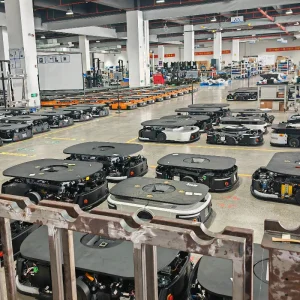
  • Heterogeneous Fleet Management: Modern facilities no longer rely on a single type of robot. Integrated platforms manage underride AMRs, heavy-load forklift AGVs, and overhead shuttle systems under a unified, AI-driven dispatch system. This allows seamless handoffs from dock-to-stock and raw assembly to final shipping.
  • Hybrid Navigation Stacks: Static magnetic tape navigation is giving way to dynamic SLAM (Simultaneous Localization and Mapping) combined with QR code navigation and RTK GPS for outdoor transit. This ensures centimeter-level precision in changing environments.
  • Predictive Power Management: Modern automation integrates high-discharge, safe lithium chemistries with intelligent online opportunity charging. Robots automatically top up their batteries during natural idle times on the production line, achieving near-zero downtime.

3. Localized Application Scenarios & Macro Industry Solutions

Different industrial verticals present completely distinct mechanical demands. A generic material handler will fail in a high-density steel foundry or a sensitive pharmaceutical cleanroom. Let us look at specific solutions:

Automotive Assembly Integration

In cooperation with automotive flagships like FAW Flag, we deploy heavy-duty linkage AGVs that carry complete chassis structures down the assembly line. By integrating these units with the main manufacturing system, the speed of the AGVs dynamically syncs with robotic assembly cells, maximizing throughput.

Heavy Cargo & Logistics Hubs

For large logistics operators like CIMC Group and railway systems like the Russia Federal Railways, standard transport vehicles are insufficient. We deploy heavy-duty custom platform AGVs (5 to 100 tons payload) that run on robust chassis and navigate rugged floor conditions safely.

4. Navigating Global Procurement Requirements for OEM Automation

For procurement executives, global automation deployment demands rigorous compliance, engineering due diligence, and reliable support structures:

  • Safety & Regulatory Compliance: Ensure all machinery conforms to international safety standards, including ISO 3691-4 (safety requirements for driverless industrial trucks), CE machinery directives, and UL/CSA electrical standards.
  • Open API Integration: To prevent software lock-in, ensure the OEM partner provides open APIs and supports standardized protocols such as VDA 5050. This guarantees easy integration into existing Warehouse Management Systems (WMS) and Manufacturing Execution Systems (MES).
  • Robust Technical SLA Support: Overseas deployments must be backed by remote diagnostics capabilities, local integrator partnerships, and guaranteed spare parts availability to minimize the impact of component failures.

OEM Product Categories & Modular Designs

Providing specialized structures to replace rigid assembly lines and form flexible production units.
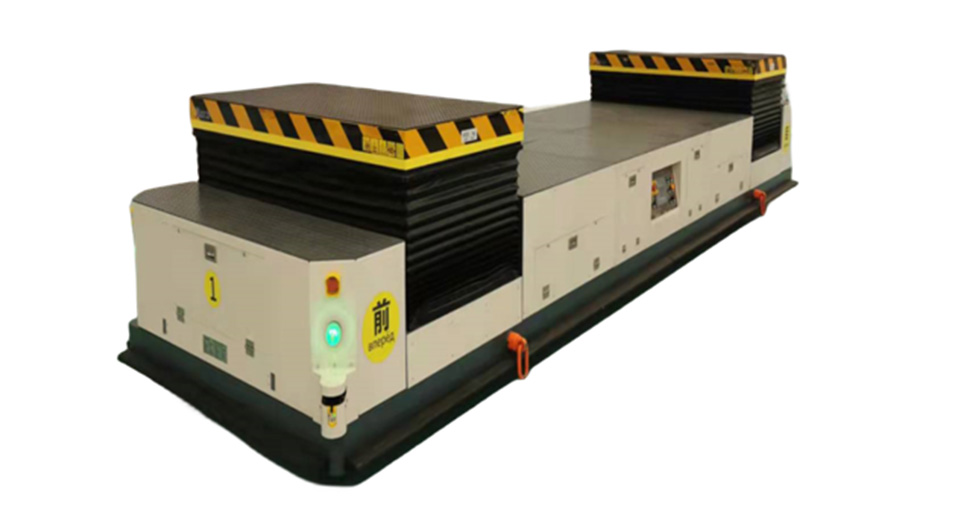
Carrier AGV

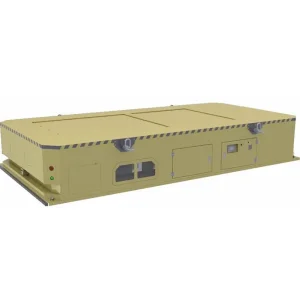
Carrier AGV / Piggyback Systems

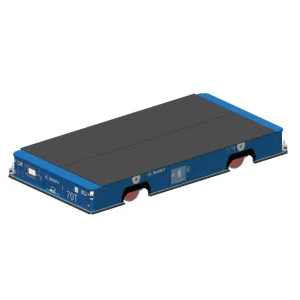
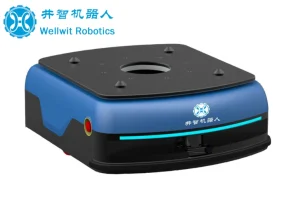
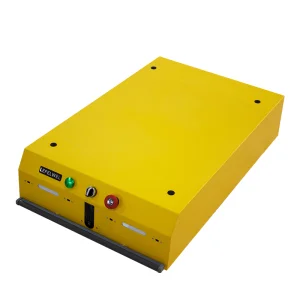
The piggyback AGV adopts a load-bearing body structure, which can be used to support workpieces and travel in all directions, enabling easy transportation of goods in various workshops or workstations. Multiple backpack AGVs can be used together to form an assembly line, replacing the assembly line and forming a flexible production line.
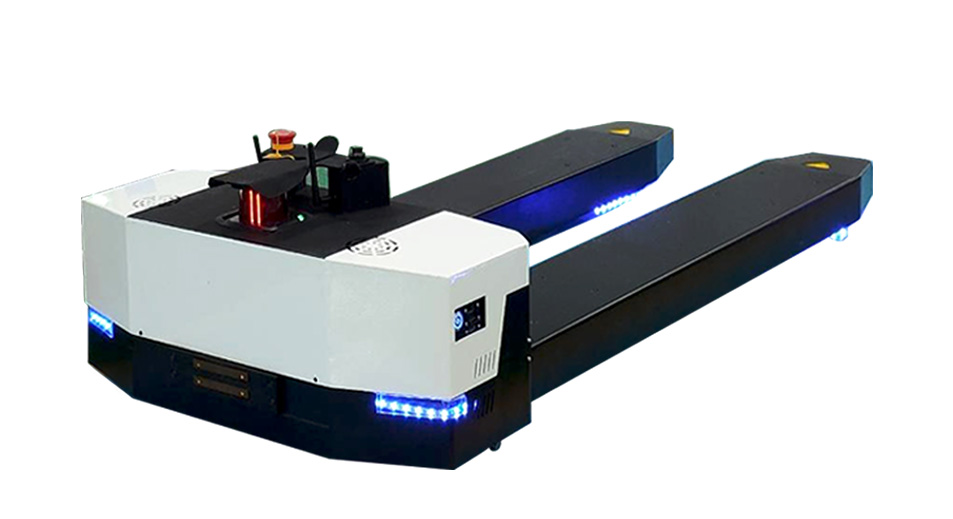
Forklift AGV

Forklift AGV & Heavy Stackers

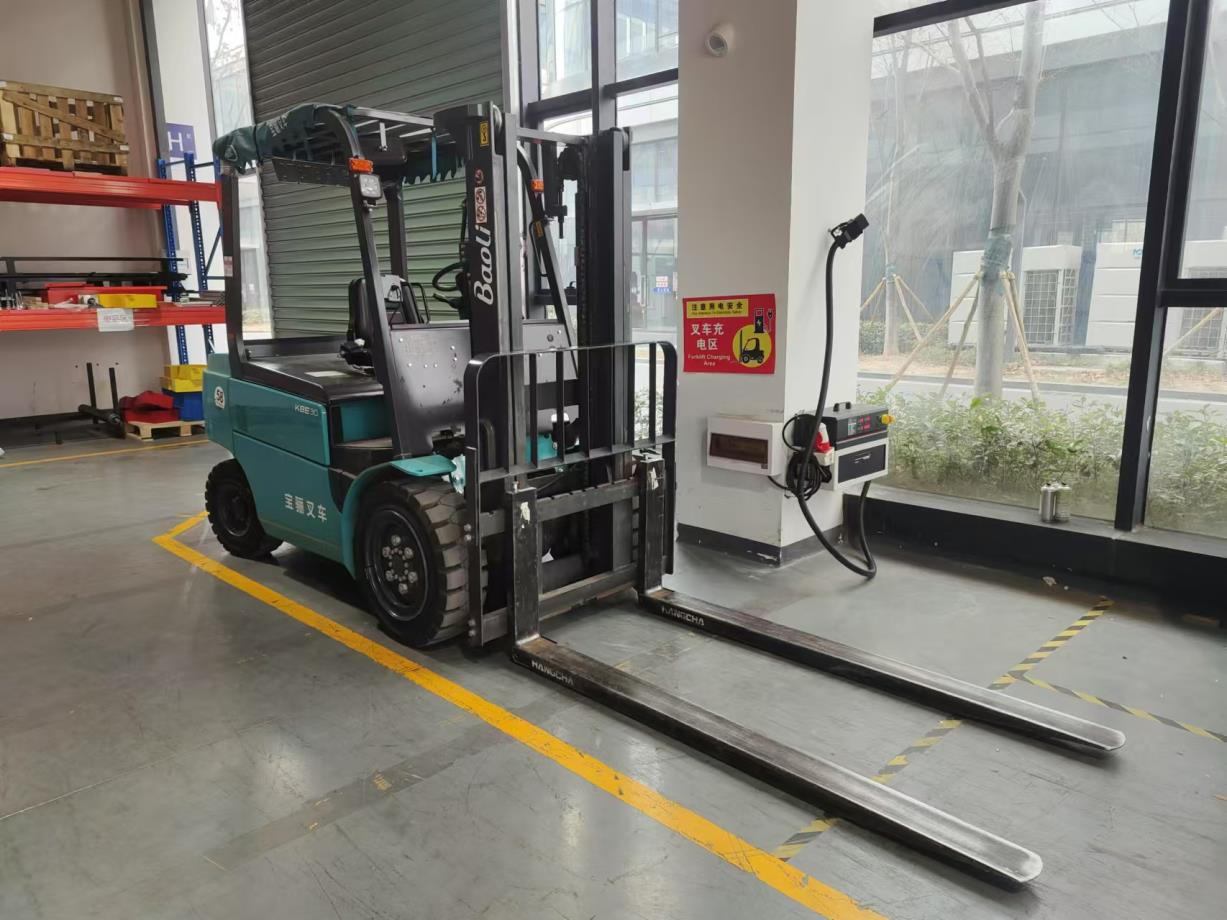
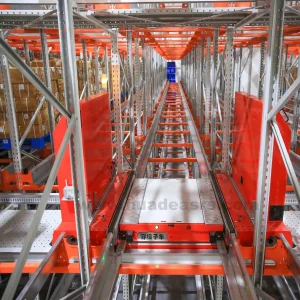
Forklift-type AGVs are widely used in fields such as heavy object lifting and heavy object transportation. They have a small turning radius and low requirements for channel size, allowing easy pallet retrieval and high-density racking utilization without requiring humans in the aisles.

Factory Hot Products & Engineering Designs

A pictorial index of our standard models deployed globally across high-precision lines.
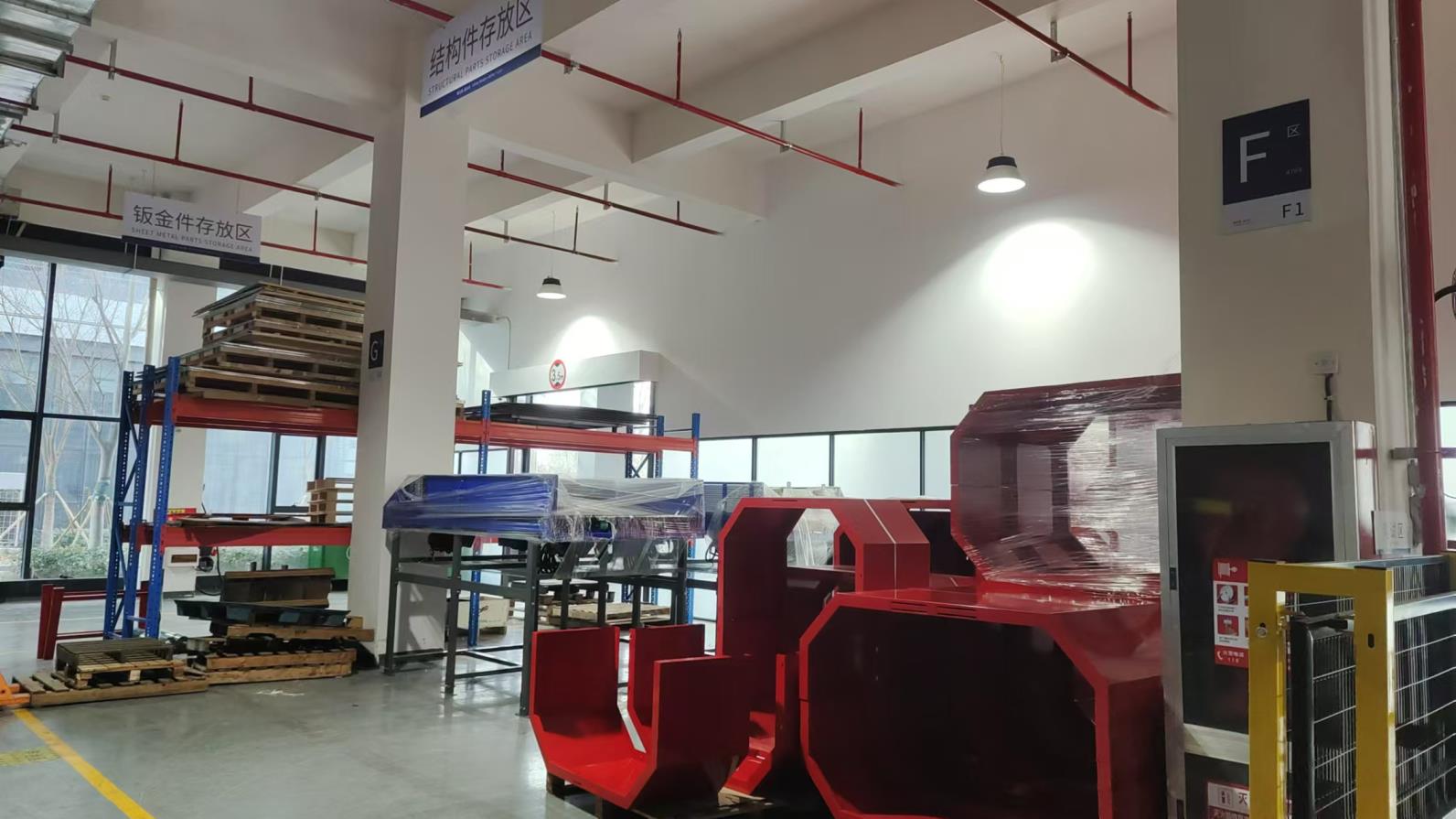
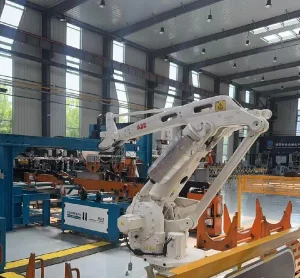
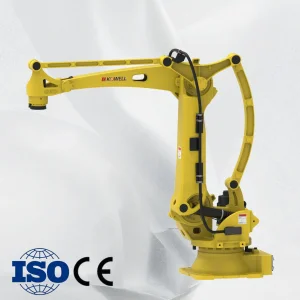
Robotic Assembly Line Unit
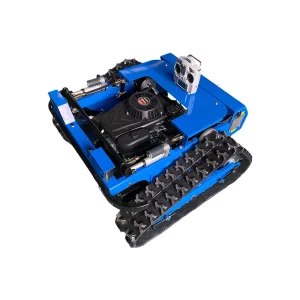
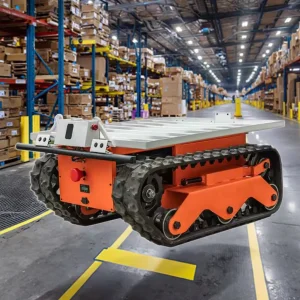
Heavy AGV Chassis
Automated Forklift unit
AGV Controller module
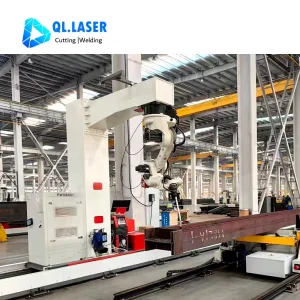
Robotic Welder configuration
AGV Wheel and motor assembly
Intralogistics shuttle robot
Automated guided vehicle lift mechanism
Omnidirectional AGV wheel kit
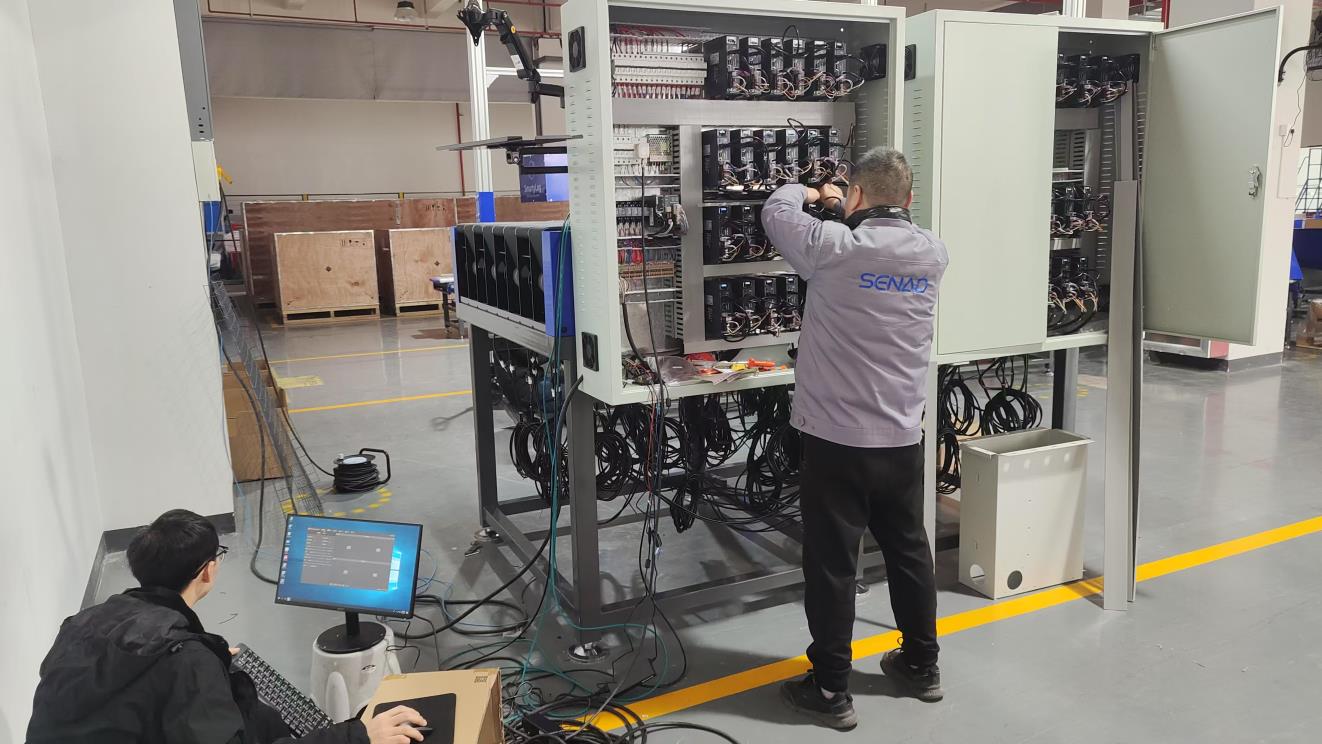
AGV System test facility

Expert Q&A: Factory Automation Technical Insights

Direct technical answers to the most common questions raised by procurement directors and systems integrators.

What is the core difference between your AGV and AMR systems?
Our AGVs (Automated Guided Vehicles) rely on fixed paths—such as magnetic tape, physical wire, or QR codes—making them highly efficient for predictable, high-speed, repeatable transport routes. Our AMRs (Autonomous Mobile Robots) use dynamic LiDAR and SLAM algorithms to map their environment in real-time, allowing them to navigate around obstacles and find alternative routes without modifying the factory floor.
How does your heavy-duty AGV manage payloads of up to 100 tons?
Our heavy-duty AGVs feature reinforced, load-bearing chassis structures and multi-wheel steering systems that distribute weight evenly. We utilize custom planetary gearboxes, heavy-duty servo motors, and integrated hydraulic systems designed to handle high mechanical stress while maintaining millimeter-level positioning accuracy.
Can your software integrate with third-party ERP, WMS, and MES platforms?
Yes. Our AGV control systems and online dispatch managers provide open web service APIs and support industry-standard protocols, including VDA 5050. This enables direct integration with enterprise systems like SAP, Oracle WMS, and custom MES architectures, ensuring real-time coordination with your production schedule.
How is the battery life managed for 24/7 continuous warehouse operations?
Our robots are equipped with high-performance lithium iron phosphate (LiFePO4) battery packs managed by our proprietary BMS. These batteries support fast charging rates, allowing the robots to use automated online opportunity charging. While loading or unloading, the robot briefly connects to a charging station, ensuring continuous operation without manual intervention.
What customized OEM services do you offer for non-standard production environments?
We provide full OEM and ODM services, ranging from custom physical modifications (such as custom chassis dimensions, specialized lifts, and roller attachments) to tailor-made control electronics and safety sensor layouts. We design customized end-effectors, multi-axis cobot integrations, and complete non-standard palletizing lines to match your specific production requirements.