Lunasol Logistics
Lunasol Logistics
Lunasol Logistics
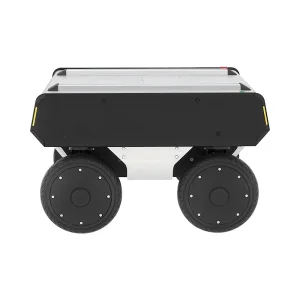
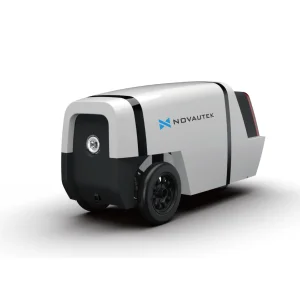
The global industrial landscape is undergoing a paradigm shift, transitioning from rigid automation to flexible, intelligent mobile robotics solutions. As businesses demand higher agility in supply chains, mobile robots—ranging from AGVs (Automated Guided Vehicles) to AMRs (Autonomous Mobile Robots)—have become the backbone of modern warehousing and manufacturing. China, as a global manufacturing hub, has emerged as the leader in the R&D, production, and export of these high-tech systems.
Why do industry leaders choose Chinese mobile robotics solutions? It is not merely about cost-efficiency; it is about the integration of advanced computer vision, SLAM (Simultaneous Localization and Mapping) navigation, and cloud-based fleet management. From high-speed parcel sorting to heavy-duty industrial transport, Chinese robotics manufacturers are providing the critical infrastructure required to scale operations efficiently.
The core technology behind modern mobile robotics is moving towards total autonomy. We are observing three significant trends:
At the forefront of this revolution stands Daian Lunasol Logistics Technology Co., Ltd. Located in the industrial hub of Dalian City, the company excels in the comprehensive lifecycle of robotic solutions—from R&D and manufacturing to technical support and after-sales service.
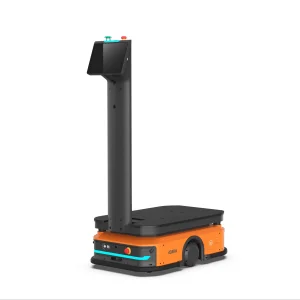
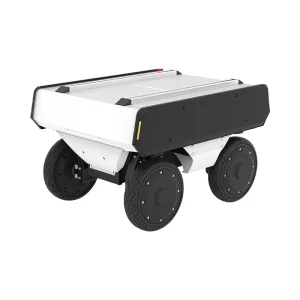
Their expertise covers a vast spectrum, including:
By investing in proprietary core components—such as AGV guidance controllers, sensors, and Lithium battery management systems—Lunasol has established itself as a beacon of domestic technological innovation with independent intellectual property rights. Their partnership network, featuring giants like FAW Flag, CIMC Group, and Russia Federal Railways, speaks volumes about their reliability and authority in the field.
Chinese mobile robotics solutions benefit from a complete, vertically integrated supply chain. This allows for rapid innovation, competitive pricing, and high-speed customization for specific industrial use cases—such as the heavy-duty load requirements seen in Chinese steel and automotive manufacturing.
Yes. Most modern Chinese AMR and AGV solutions, including those offered by Lunasol, are built with open API architectures designed for seamless integration with ERP, WMS, and MES systems, ensuring a unified data ecosystem.
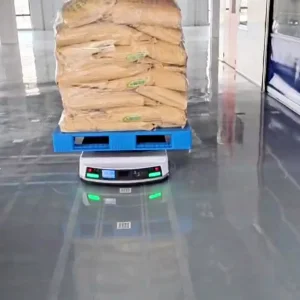
Selection depends on the specific material handling requirements. We offer solutions from 500kg light-duty handling to 100-ton heavy-duty transport. Consultation with our engineering team can help determine the optimal configuration based on your throughput and environmental constraints.