Lunasol Logistics Lunasol Logistics

Autonomous Mobile Robots Manufacturers & Factories in the South Sudan Market

Pioneering Next-Generation Intralogistics & Robotic Automation Solutions tailored for Emerging East African Industrial Hubs

Market Intelligence

South Sudan Industrial Automation Landscape

As South Sudan steps forward into economic diversification, primary sectors such as humanitarian logistics, agricultural food processing (including sesame and gum arabic seed processing), and cross-border trade distribution hubs in Juba are facing an unprecedented need for modernization. Traditional logistics models struggle with fluctuating labor availability and infrastructural bottlenecks. Implementing Autonomous Mobile Robots (AMRs) allows local enterprises to bypass standard development phases and leapfrog directly into automated material workflows.

By leveraging advanced navigation algorithms (such as LiDAR SLAM) that require no physical guiding tapes, South Sudanese logistics terminals, dry ports, and FMCG warehouses can achieve robust, 24/7 continuous operations, mitigating risks related to human error and labor inefficiencies while optimizing limited indoor real estate.

Key Local Drivers for AMR Integration

  • Supply Chain Leapfrogging: Skipping costly floor-conveyor installations in favor of virtual-mapped mobile robotic fleets.
  • Optimizing Storage Density: Intelligent path-planning reduces aisle width requirements, directly increasing warehousing space capacity.
  • Safety & Compliance: Reliable obstacle detection systems ensure robots navigate harmoniously alongside warehouse personnel, reducing workplace accidents.
Daian Lunasol Logistics Technology Co., Ltd. - Advanced Robotics Research
Supply Chain Resilience

China Factory 4.0: Supply Chain Resilience & Custom Engineering

Why international partners choose Daian Lunasol Logistics Technology Co., Ltd. for deployment in Africa, South America, and Eastern Europe.

Proprietary Core R&D

We own the complete IP stack for AGV controllers, sensor integration, lithium-ion battery management systems (BMS), and dynamic fleet management dispatch systems (WCS).

0.5T to 100T Payload Scalability

From lightweight food service delivery robots to heavy-duty industrial transporters built to move steel coils, locomotives, and large-scale shipping containers.

Proven Industrial Quality

Cooperating with global leaders like Zoomlion, CIMC Group, FAW Flag, and Russia Federal Railways. Certified for extreme conditions and reliable operational cycles.

100+ Tons
Max Load Handling
99.9%
Obstacle Avoidance Reliability
24/7
Continuous Wireless Charging
10+ Industries
Automotive, Steel, Logistics, etc.
Our Focus

Core Product Configurations & Technologies

Explore the physical structures and core functionalities of our automated guided fleet.
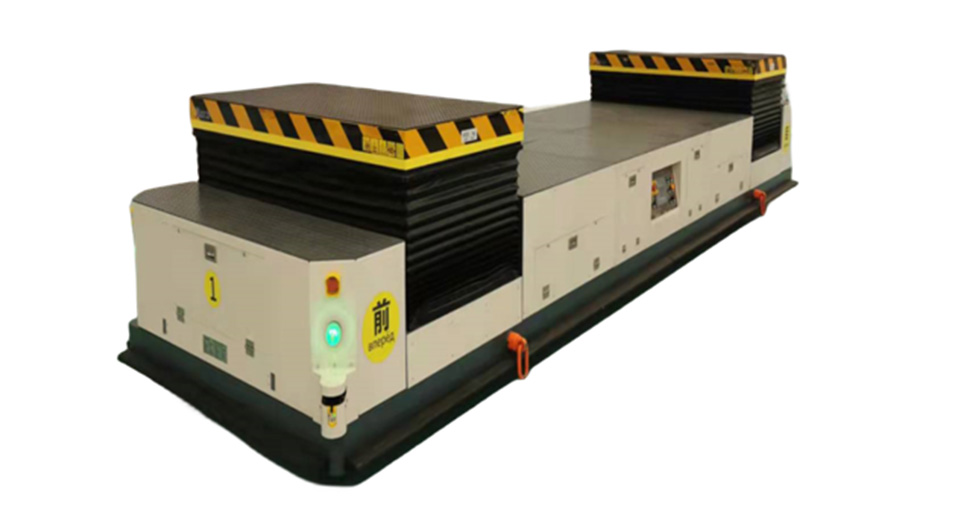
Carrier AGV System for Smart Assembly Line Integration

Carrier AGV Systems

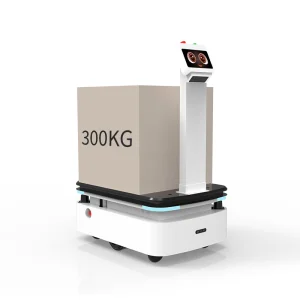
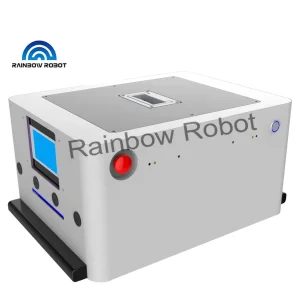
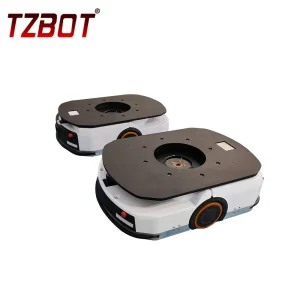
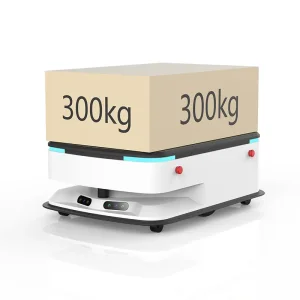
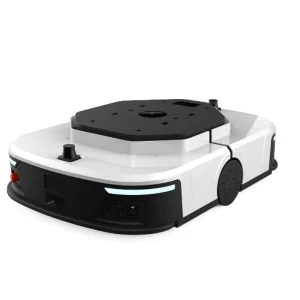
The piggyback AGV adopts a load-bearing body structure, which can be used to support workpieces and travel in all directions, enabling easy transportation of goods in various workshops or workstations. Multiple backpack AGVs can be used together to form an assembly line, replacing the assembly line and forming a flexible production line.
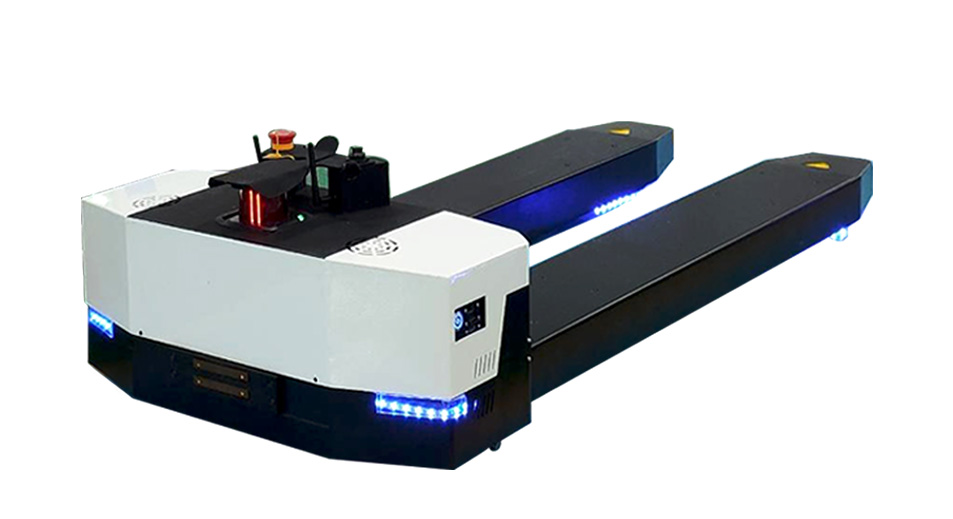
Forklift AGV for Heavy Object Handling

Forklift AGV Systems

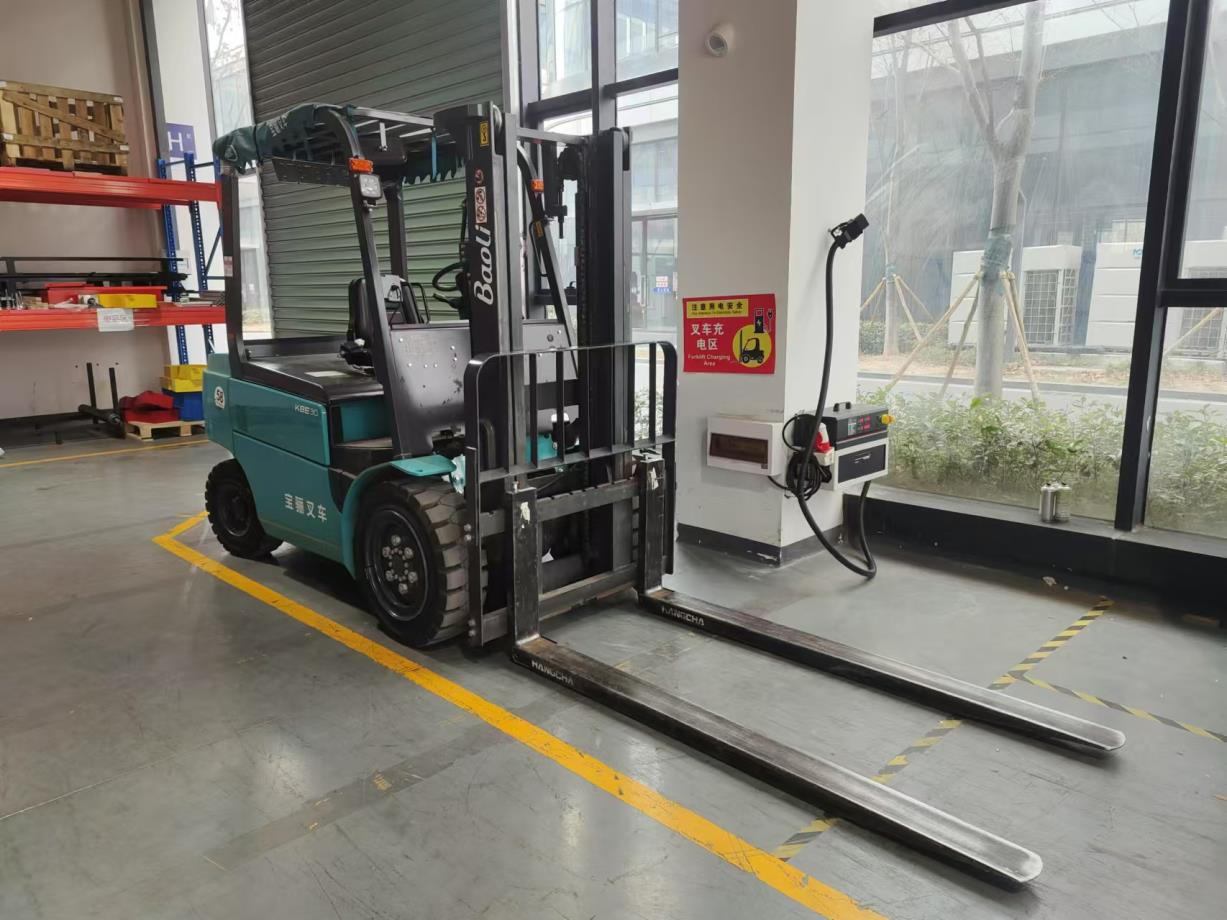
Forklift-type AGVs are widely used in fields such as heavy object lifting and heavy object transportation. They have a small turning radius and low requirements for channel size, making them perfect for narrow warehouse aisles in modern distribution hubs.

Factory Gallery

Hot Products Showcase

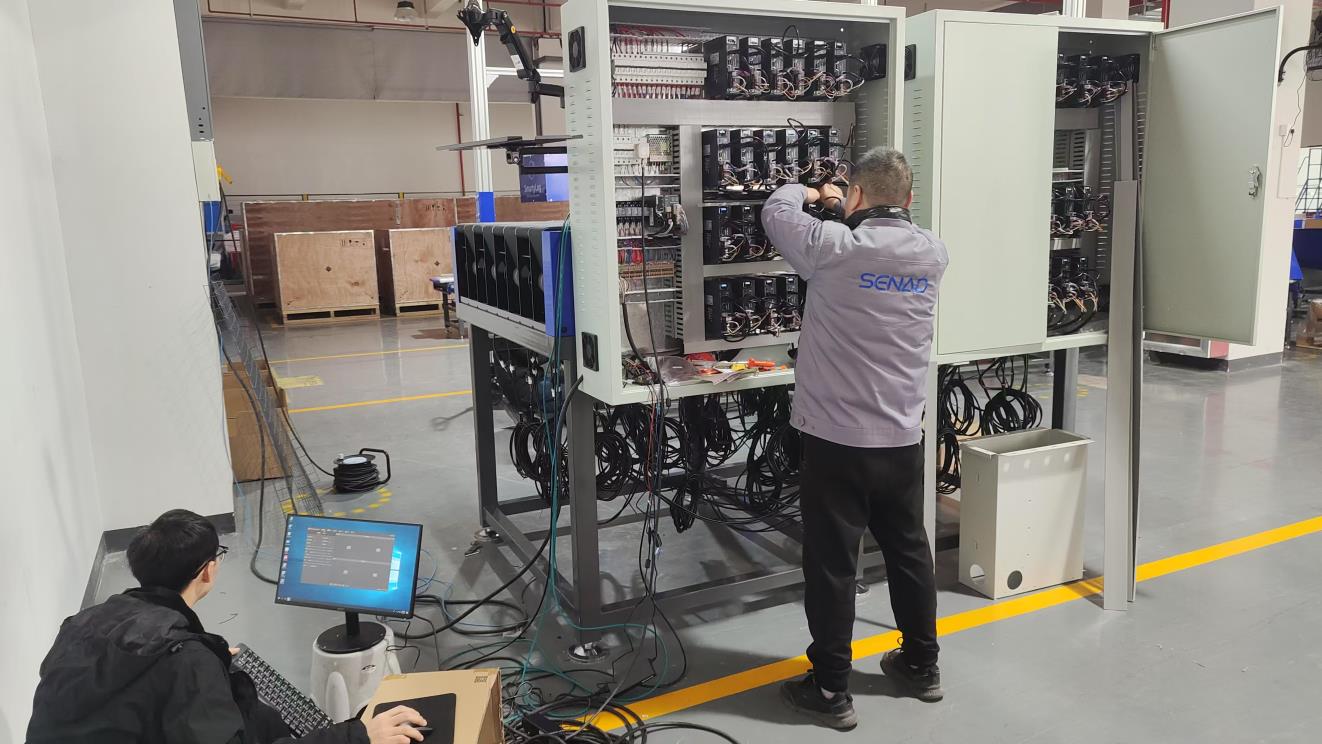
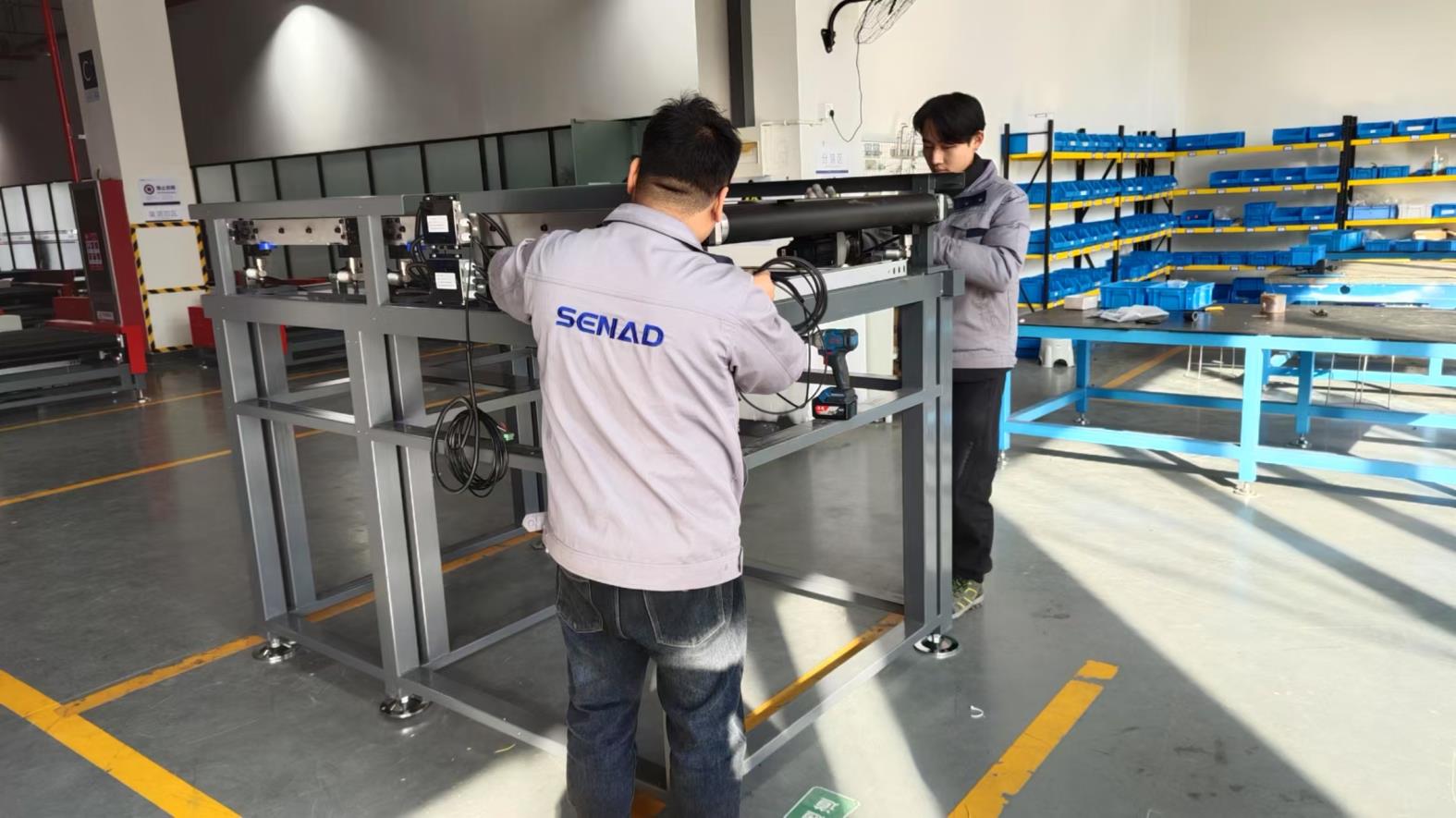
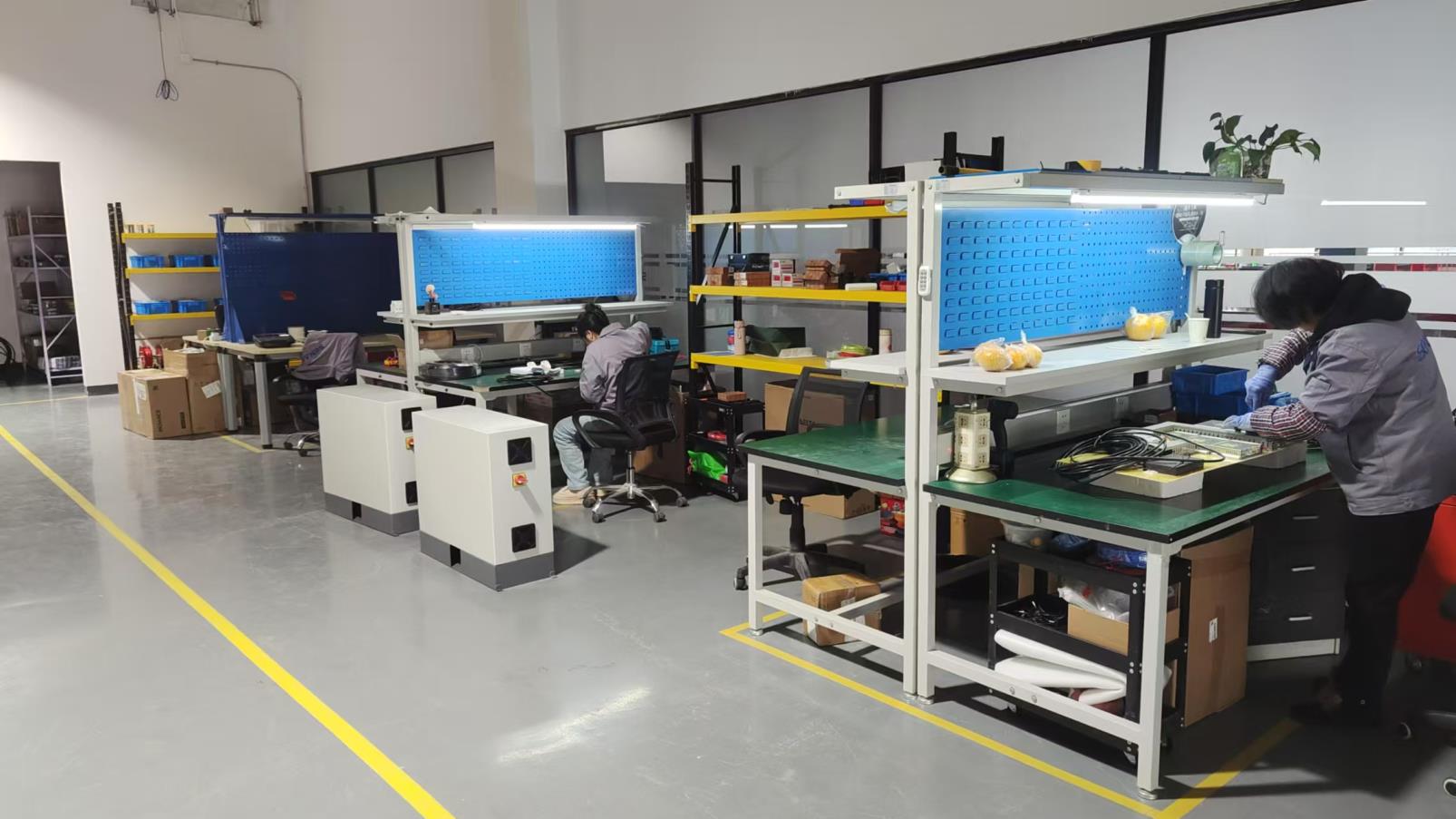
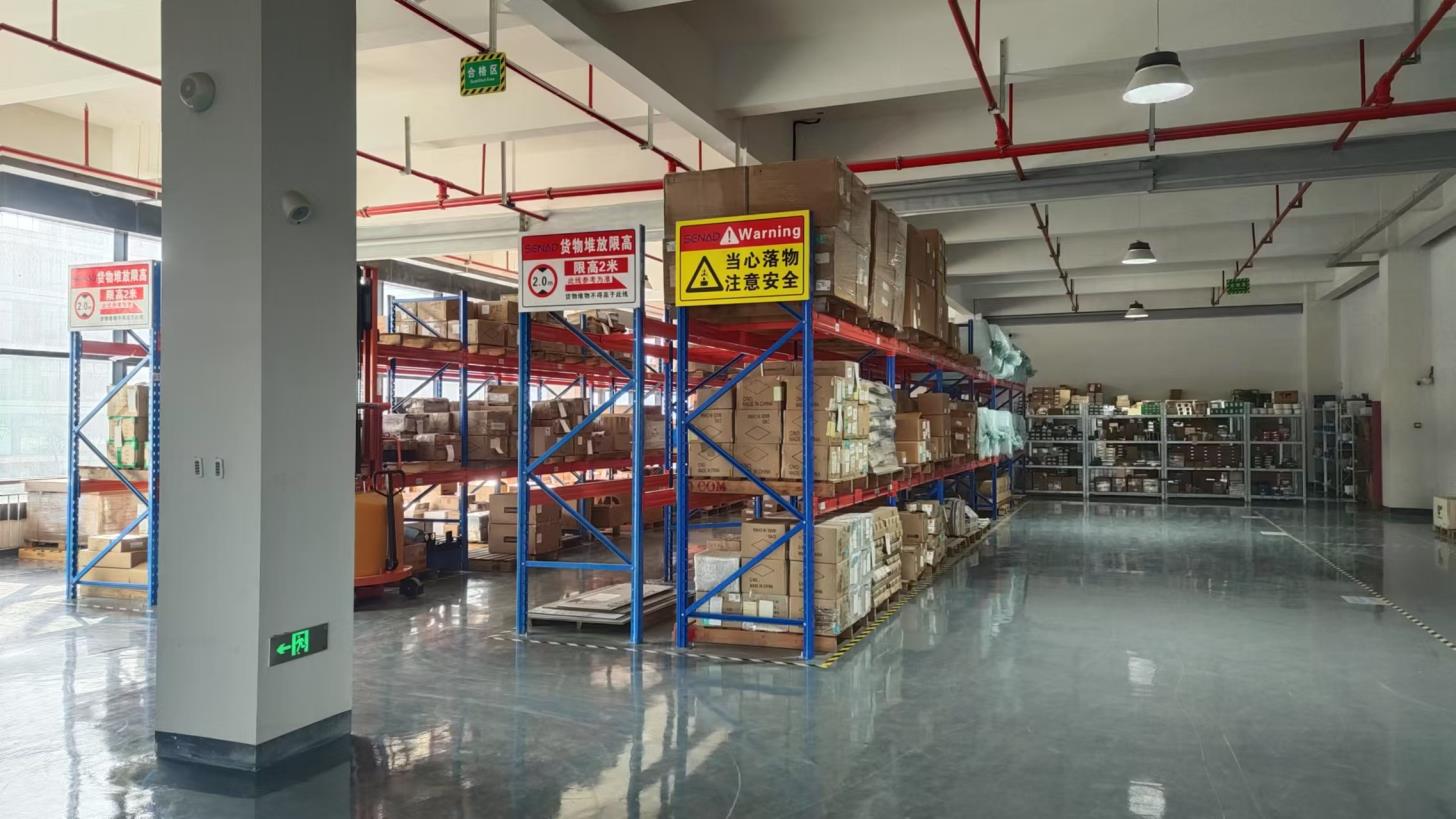
A visual insight into our manufacturing facilities, assembly lines, and completed robotic projects.
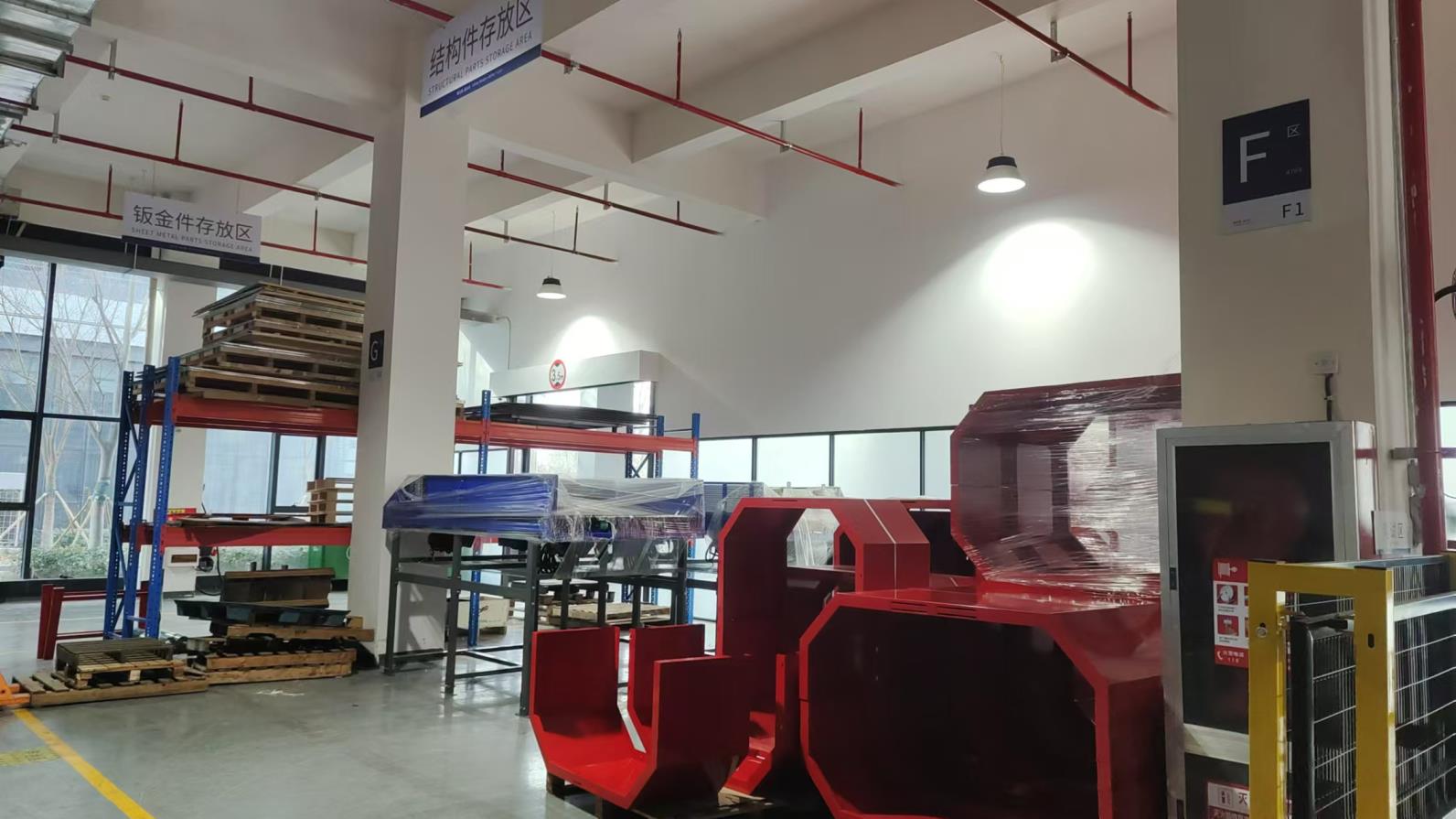
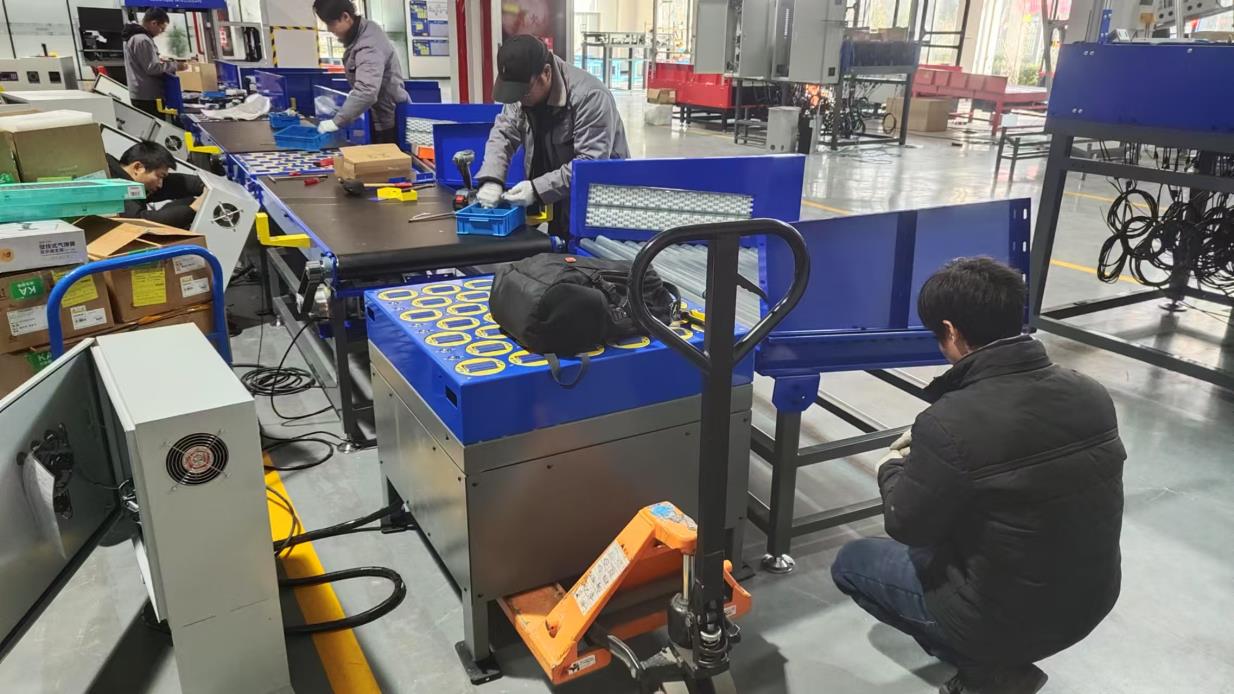
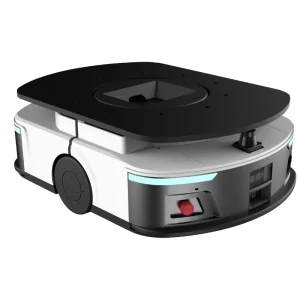
AMR Production Model A
AMR Production Model B
Heavy Duty AGV Testing
SLAM Lidar Sensor Unit
Omnidirectional AMR Chassis
Smart Lifter Mechanical Test
AGV System Main Controller
Laser SLAM Fleet Test
Industrial Charging Hub
Wireless Charging Pad Integration
Full Product Catalog

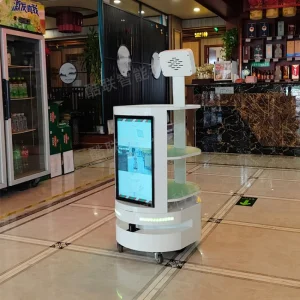
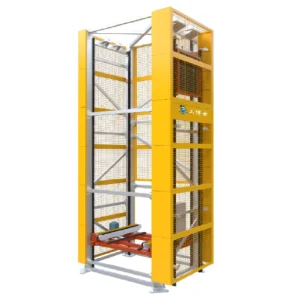
Deep Integration AMR & AGV Models

Explore our complete technical catalog, custom built to serve heavy material transport, service logistics, and complex warehouse pathways.
Q&A

Frequently Asked Questions About AMR Implementation

Professional insight into deploying autonomous robot technologies within emerging markets like South Sudan.
Why choose AMRs over traditional AGVs for warehouses in South Sudan?
Traditional AGVs require strict infrastructural guides, such as magnetic tapes or embedded floor wires, which can be easily damaged in dust-heavy or high-traffic environments. AMRs use Laser SLAM (Simultaneous Localization and Mapping) or LiDAR sensors to dynamically map the facility. They actively calculate optimal paths, easily navigate around unexpected floor obstacles, and can adjust to floor layout changes within minutes without physical floor modification.
How do your mobile robots handle power grid instabilities?
All our AMRs are equipped with industrial-grade lithium-iron-phosphate (LFP) batteries managed by a proprietary BMS (Battery Management System). They support automatic wireless charging. Once power falls below a designated threshold, the robot automatically returns to its charging pad. To mitigate local grid variations in East Africa, we recommend installing surge protection systems and UPS backups on charging pad stations.
What level of maintenance support do you offer for overseas installations?
We provide full remote telemetry diagnostics, lifetime software updates, and structured technical training modules for your onsite engineers. If you require installation, our engineering teams can fly in to assist with setting up dynamic maps and dispatch software, or supply parts directly from our central parts hub in Dalian, China, ensuring minimum operational downtime.
Can these robots handle outdoor environments or rough logistics yards?
Yes, models such as our Industrial Outdoor Magnetic Tape Navigation Autonomous Delivery AGV are designed with higher chassis clearance, weather-resistant structural sealing (up to IP65), and heavy suspension mechanisms to move successfully across dry yards and sheltered connecting corridors between factory buildings.