Lunasol Logistics
Lunasol Logistics
Lunasol Logistics
High-efficiency autonomous machinery engineered to streamline local warehouse throughput, optimize wharf loading lanes, and reduce industrial handling overheads.
As the primary commercial hub and capital of Saint Lucia, the city of Castries stands as a critical maritime gateway for the Eastern Caribbean. The continuous expansion of port facilities at Castries Harbour, combined with growing retail import sectors and light manufacturing industrial estates like those in Bisee, demands a step-change in logistics efficiency. Global supply chain disruptions, fluctuating labor availability, and rising operational costs require modern businesses in St. Lucia to pivot toward robust automated material handling frameworks.
Deploying Autonomous Mobile Robots (AMRs) and Automated Guided Vehicles (AGVs) within Castries’ distribution centers bridges the gap between manual labor bottlenecks and high-velocity supply chain demands. By converting traditional warehouses into intelligent fulfillment spaces, businesses can dramatically reduce turnaround times for incoming container ships, expedite cross-docking operations at the wharf, and eliminate transport errors in local manufacturing lines.

Daian Lunasol Logistics Technology Co., Ltd. — Setting global benchmarks in industrial robotic engineering.
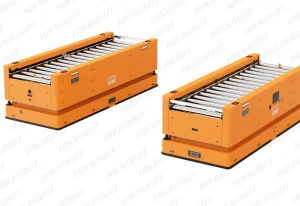
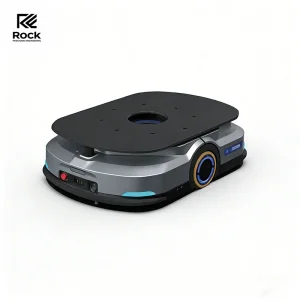
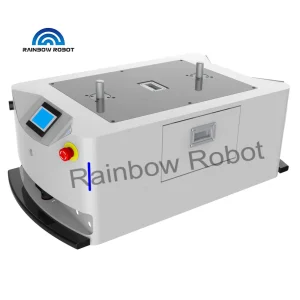
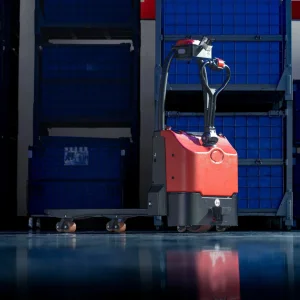
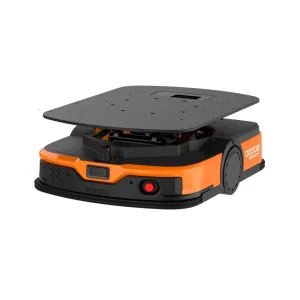
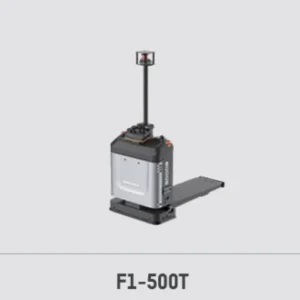
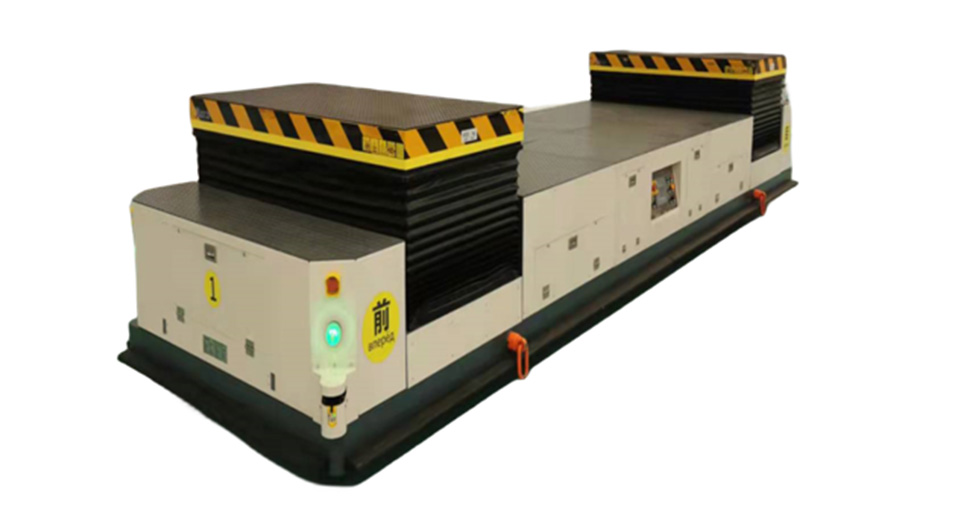
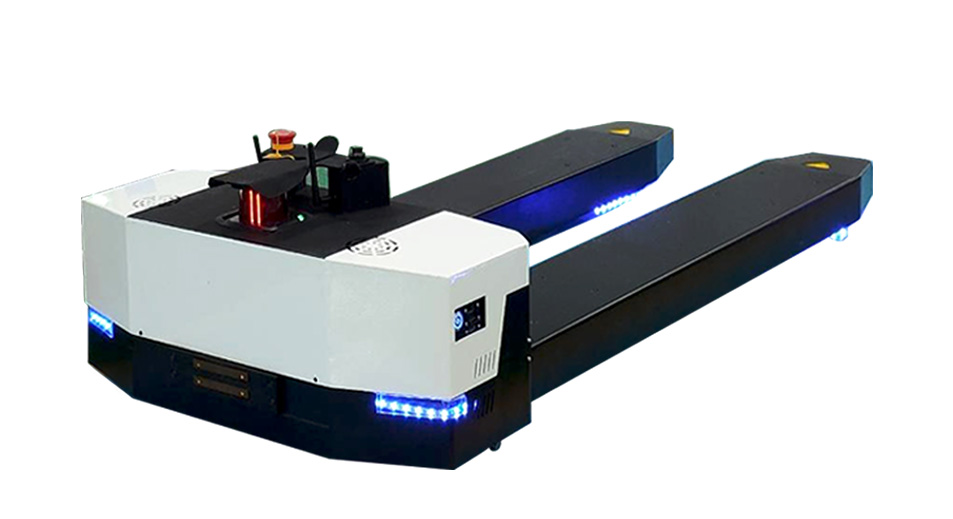
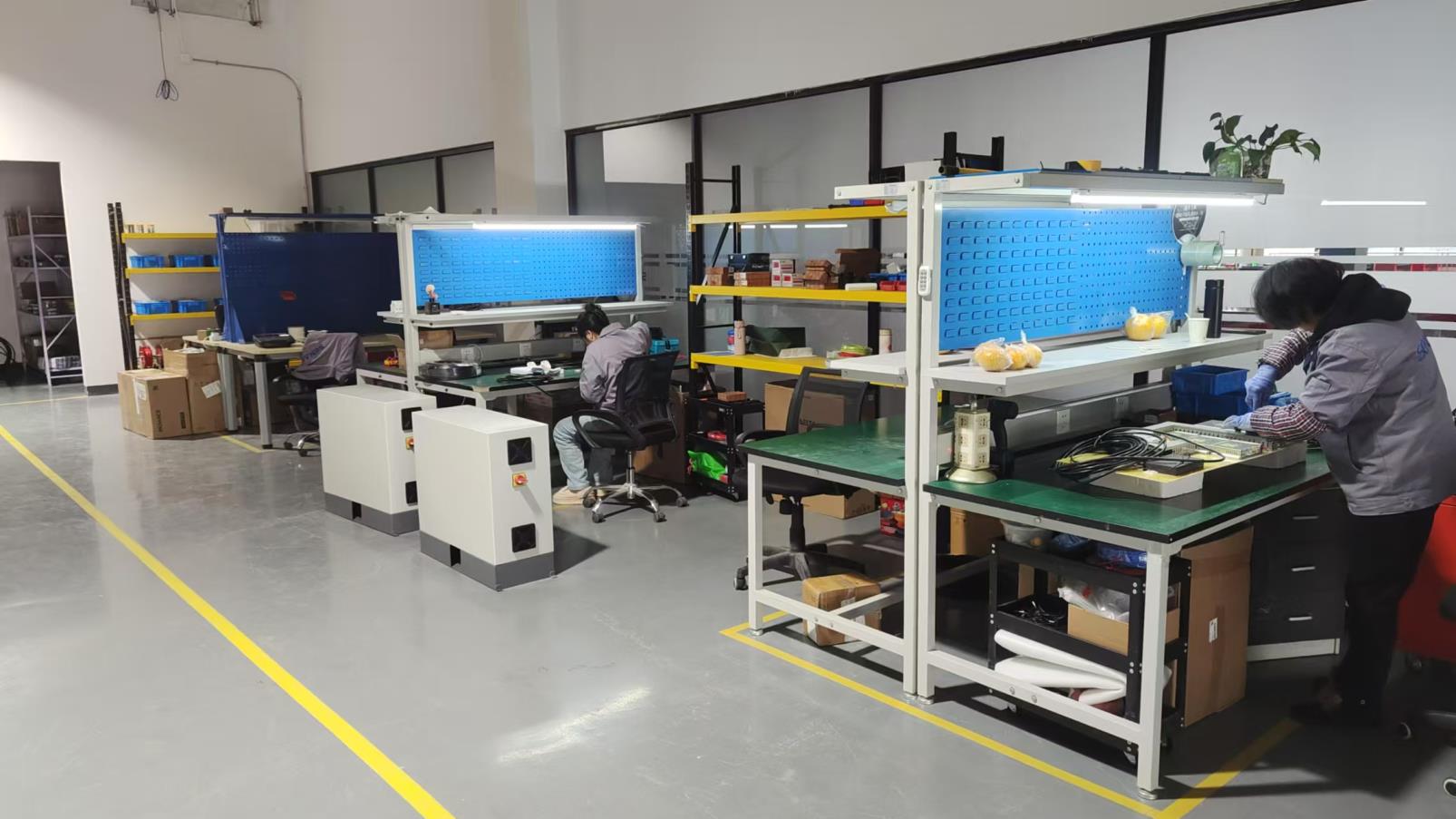
Daian Lunasol Logistics Technology Co., Ltd. is located in Dalian City, China. Our enterprise is heavily focused on R&D, production, sales, technical support, and comprehensive after-sales service in the fields of industrial automation and smart robotics. The main products include: AGV (Automated Guided Vehicles) and AGC (Automated Guided Carts), industrial robots, and integrated automated production lines. Our product line comprehensively covers light-duty handling robots from 0.5 tons, medium-heavy lifting robots from 2 tons to 5 tons, and heavy-duty industrial handling robots ranging from 5 tons up to 100 tons. Product categories include latent traction AGV, roller AGV, lift AGV, traction AGV, load-bearing AGV, forklift AGV, and medium/heavy-duty linkage AGV systems.
Our engineered solutions serve high-stakes sectors globally, including the automobile, logistics and warehousing, shipbuilding, iron and steel metallurgy, special vehicles, high-speed rail, metro networks, injection molding, and electronics manufacturing. High-quality cooperation units include FAW Flag, CIMC Group, Yada New Materials, Zoomlion, and Russia Federal Railways, verifying our capacity to deploy high-reliability fleets under severe operational conditions.
By studying foreign advanced technologies and combining them with our proprietary, independent R&D initiatives, we have successfully mastered the core technology of the product line, establishing complete independent intellectual property rights. We have independently developed the core components of our AGVs, including AGV guidance controllers, high-precision guidance sensors, advanced lithium battery management systems, and safe online charging networks, positioning our enterprise as a global technology-based leader.
A deep technical breakdown of the architectural shifts in material handling robotics.
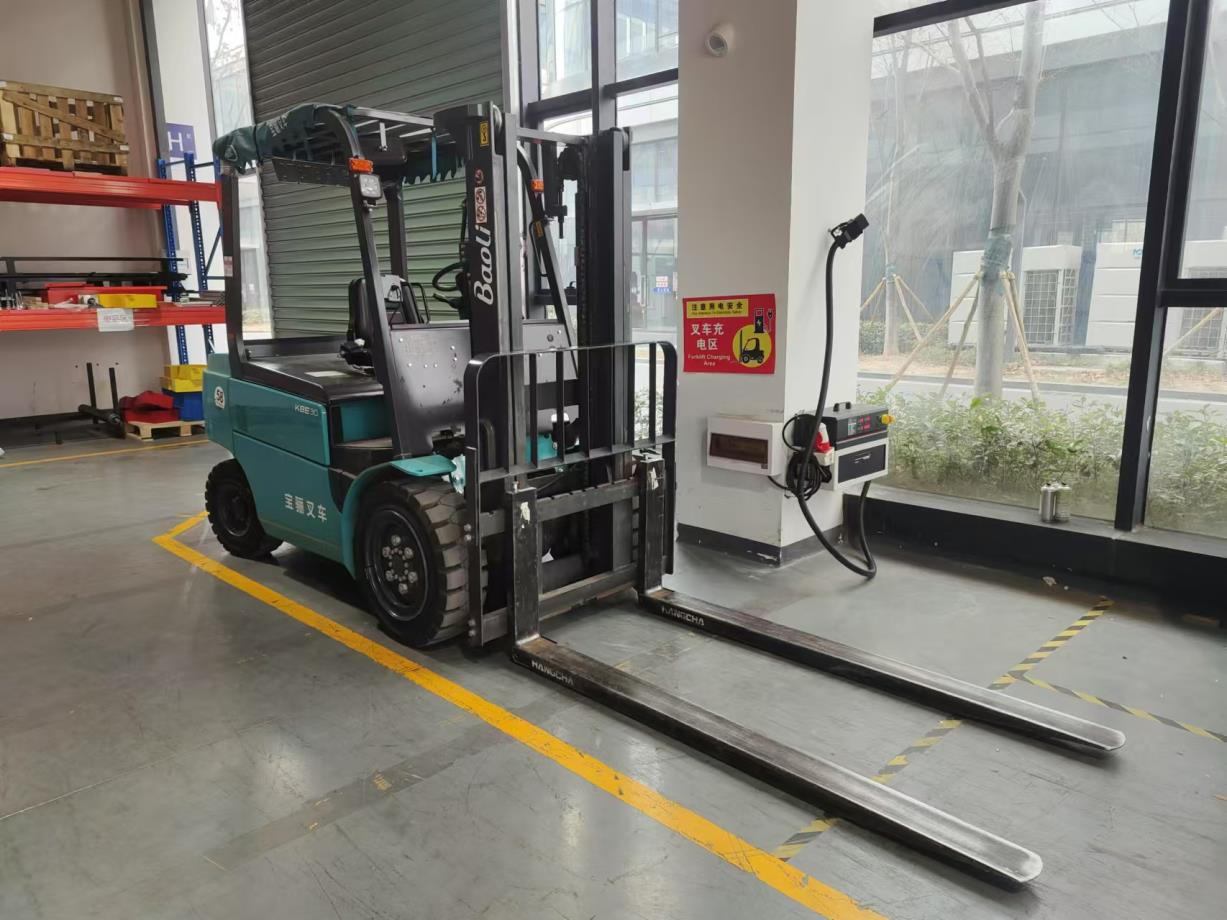
Historically, Caribbean distribution networks relied heavily on manual forklifts, leading to elevated rates of damaged goods, workplace safety violations, and unpredictable operational tempos. In a port city like Castries, where imports must clear customs, be sorted, and be distributed across Saint Lucia and neighboring OECS states swiftly, the integration of autonomous transport platforms is game-changing.
Modern AMRs adjust to changing floor configurations instantly. Unlike fixed conveyor systems, which permanently consume limited floor space, a fleet of AGVs can scale up or down based on seasonal demands, keeping real estate use dynamic and profitable.
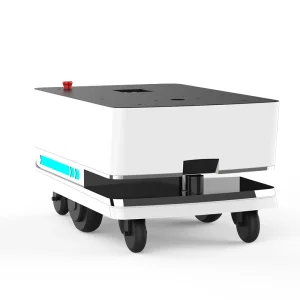
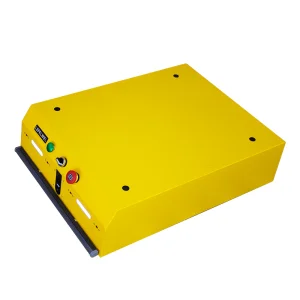
Our systems are engineered to target specific handling topologies and weight distributions.
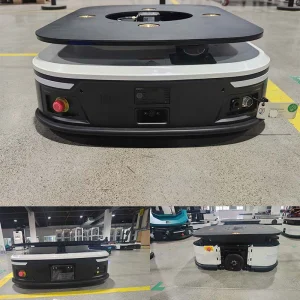
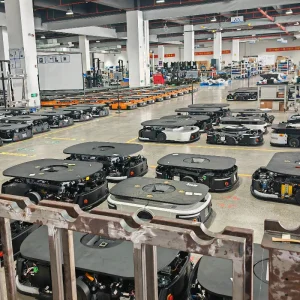
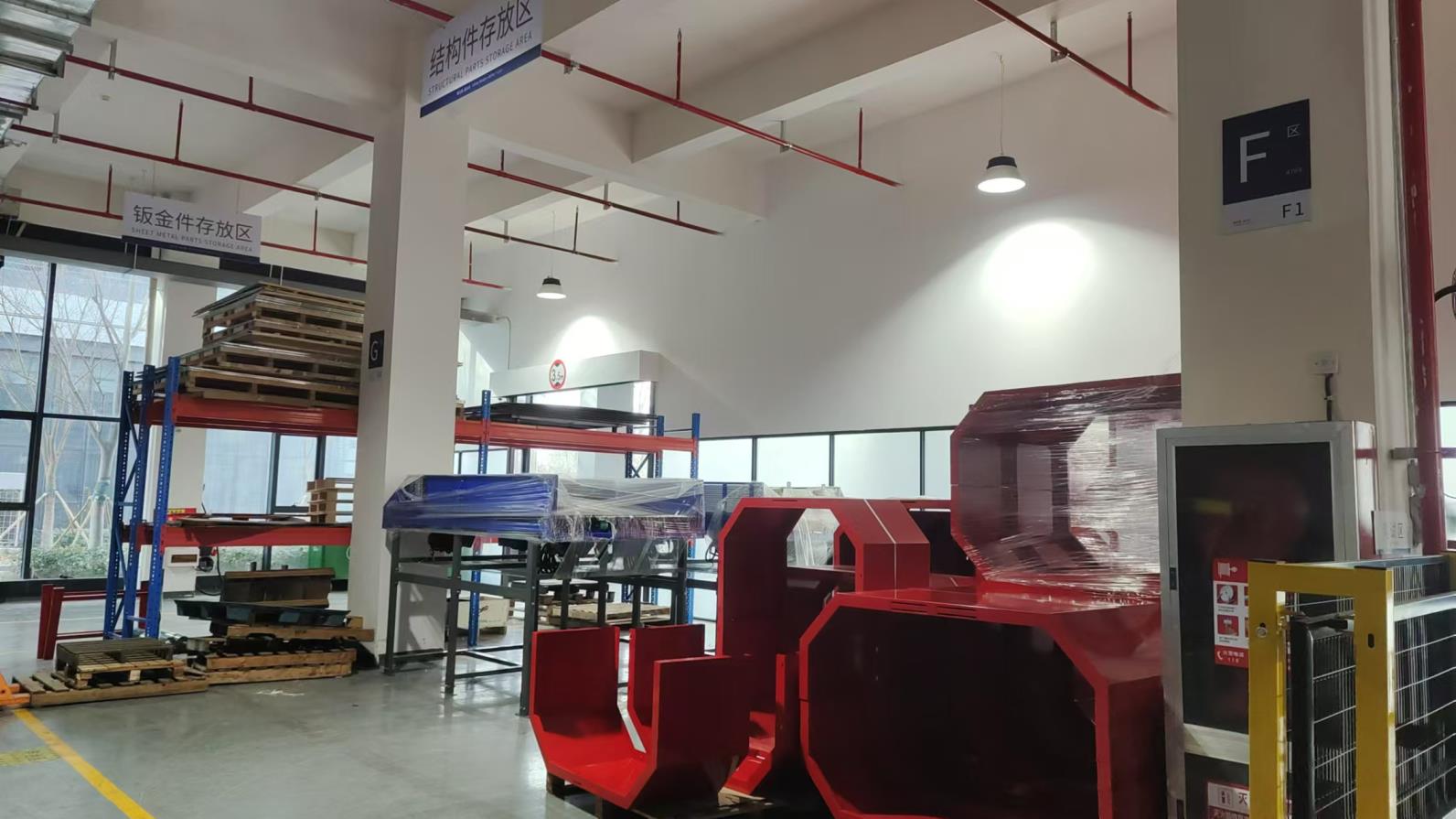
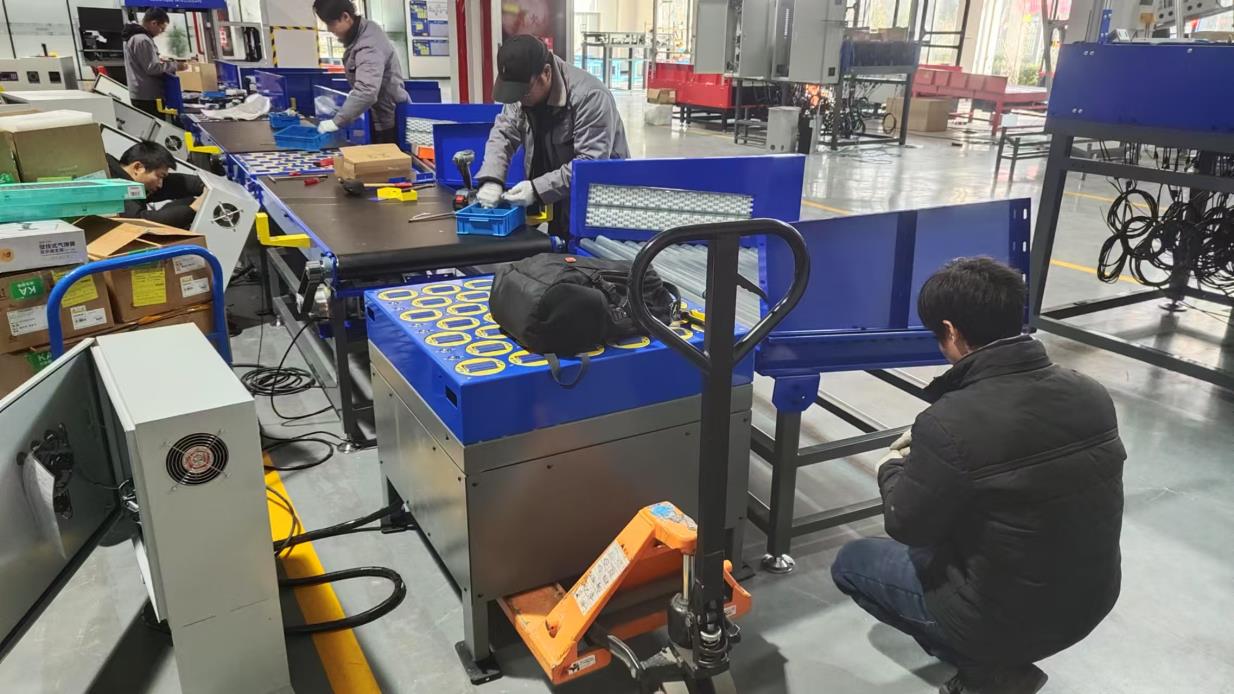
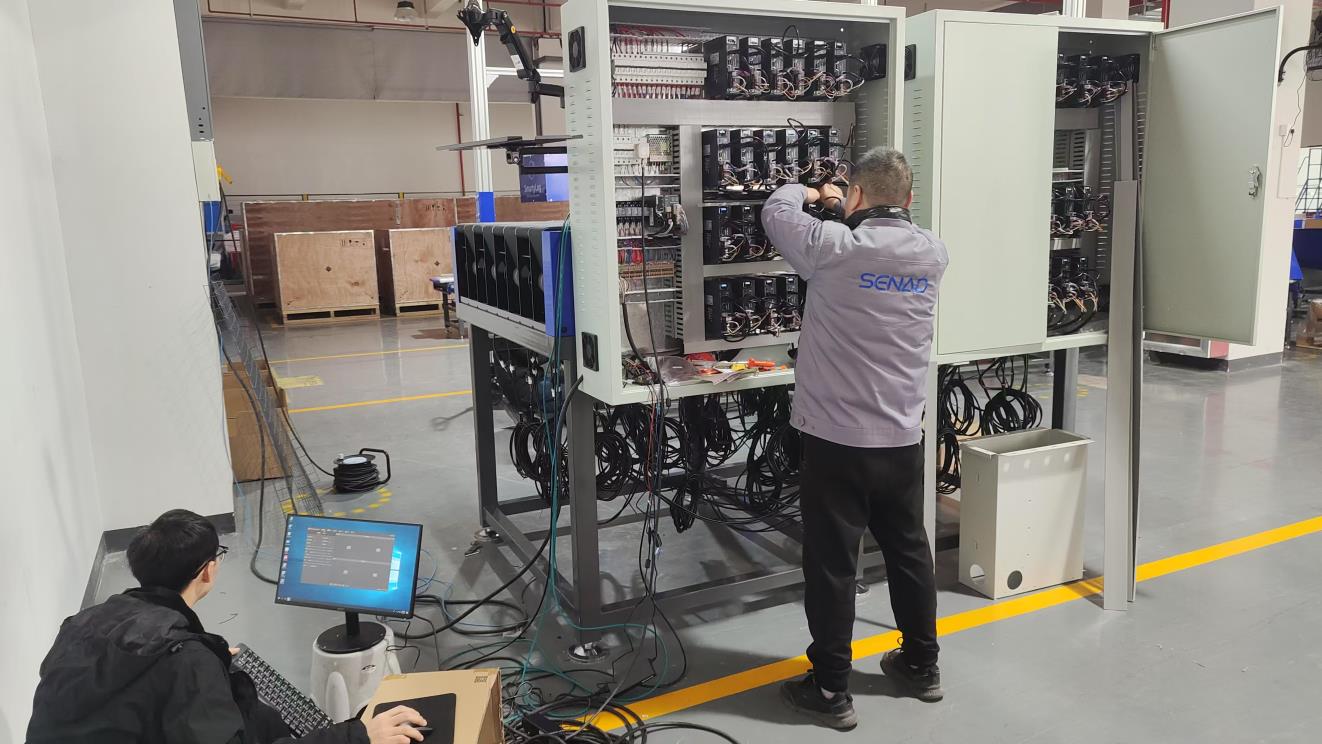
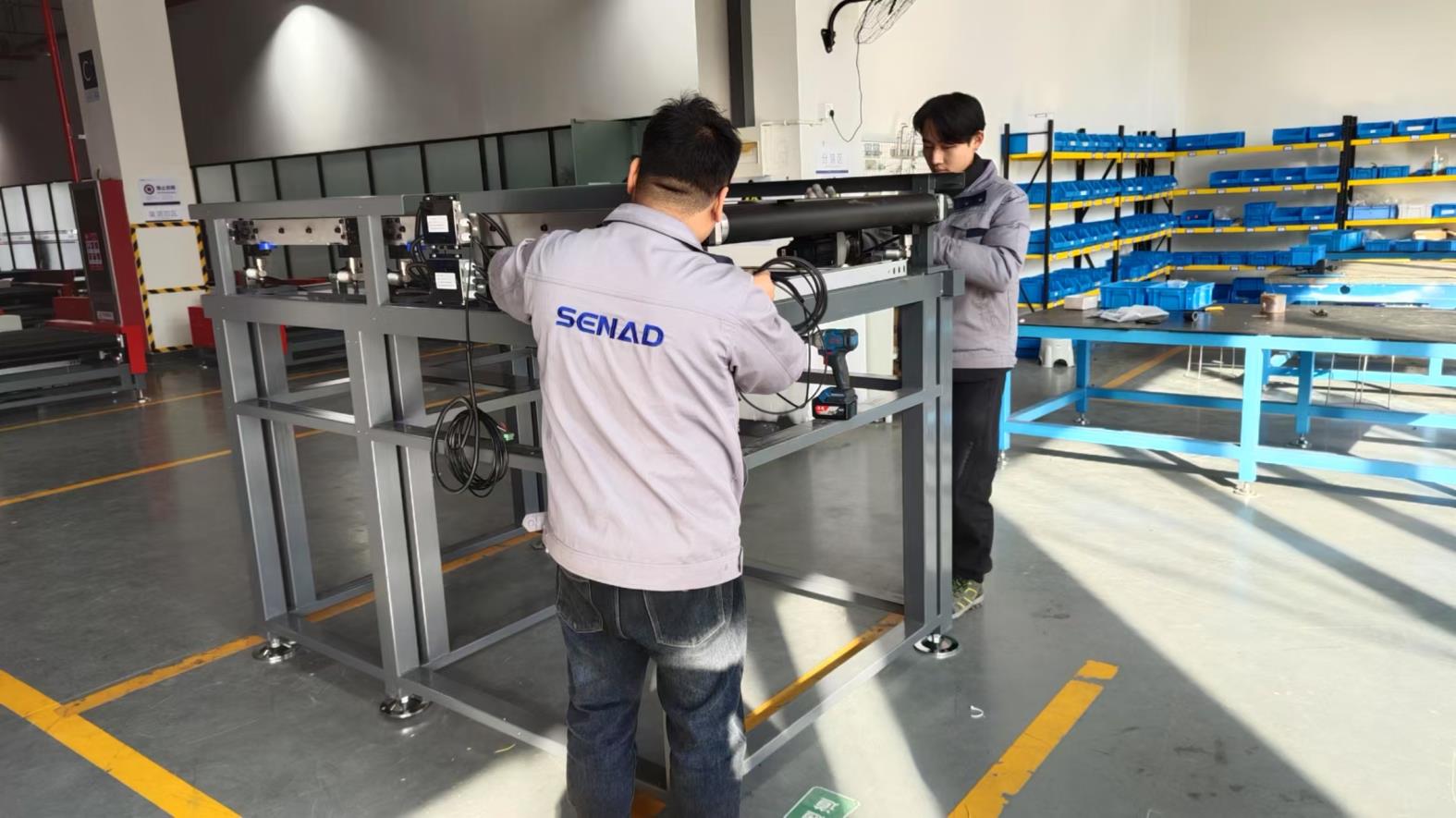
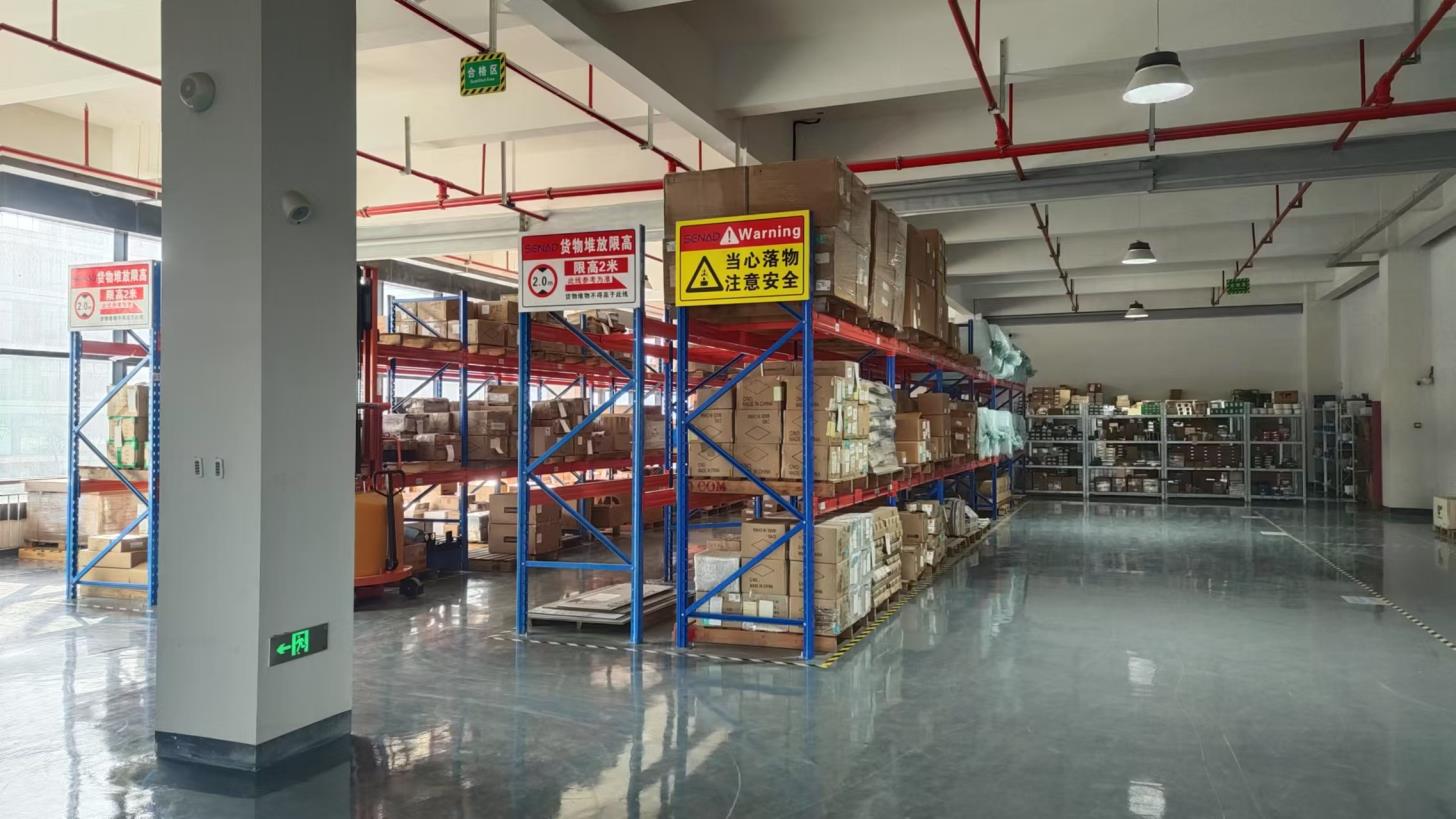
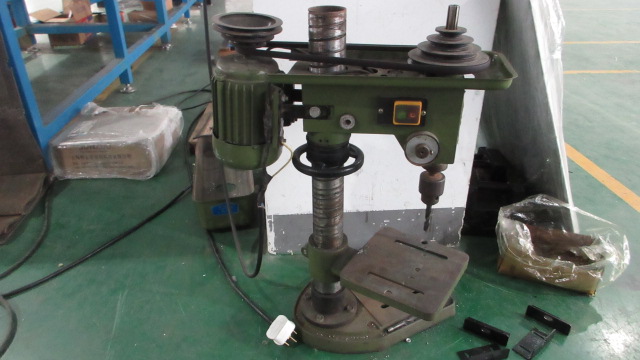
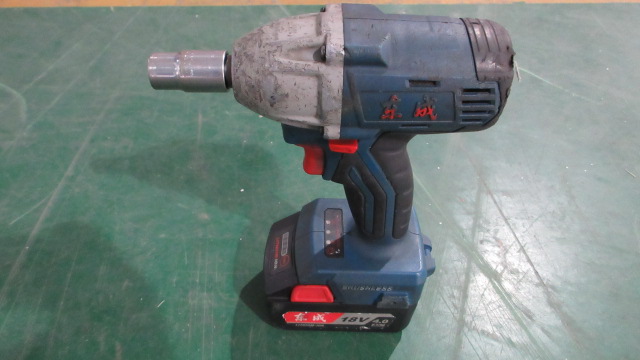
Showcasing custom-engineered mobile robotic installations worldwide.
Providing industrial compliance and end-to-end integration across Saint Lucia and OECS markets.
For heavy industrial equipment, conforming to international safety standards is non-negotiable. Our mobile transport robots are integrated with 360-degree LiDAR scanners, safety bumpers, visual warning signals, and emergency stop triggers that comply with ISO 3691-4 (the global standard for driverless industrial trucks) and ANSI/RIA R15.08 (governing autonomous mobile robots). This ensures that human operators can work directly alongside the robots in tight packing zones without risk of collision.
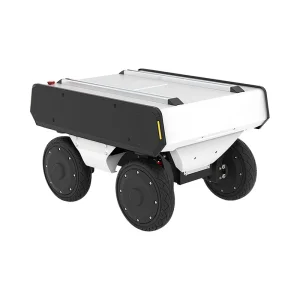
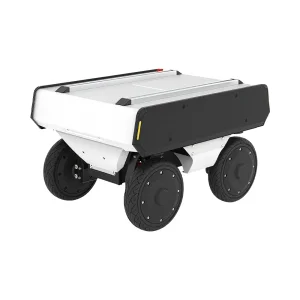
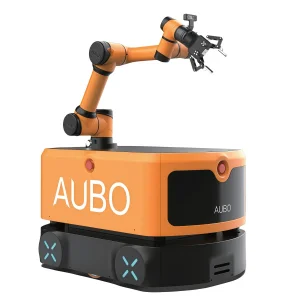
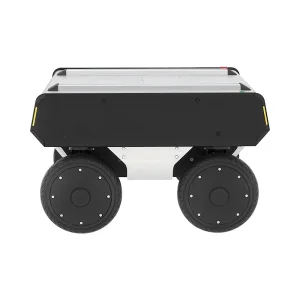
Every terminal in Castries has its own structural quirks. By choosing our Open SDK Platform Automated Transport Chassis, engineers can build custom fixtures, payload modules, or robotic arms directly on top of our drive base. Our proprietary drive-control systems support various kinematic models (differential drive, dual steering wheel, and Mecanum omnidirectional wheels) to maximize maneuverability inside restricted warehouse corridors.
We recognize that long-term uptime depends on technical availability. Daian Lunasol provides thorough remote telemetry diagnostics, rapid spare parts deployment protocols, and tailored training frameworks for on-site engineers in Castries. This includes Factory Acceptance Testing (FAT) at our production hubs, Site Acceptance Testing (SAT) on Saint Lucia soil, and ongoing system updates to keep your robot fleet coordinated and efficient.
Clear answers to technical inquiries concerning deployment, local support, and customization.
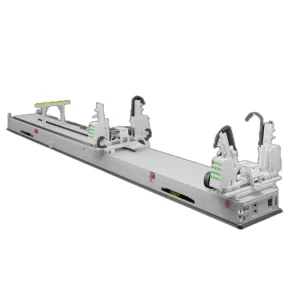
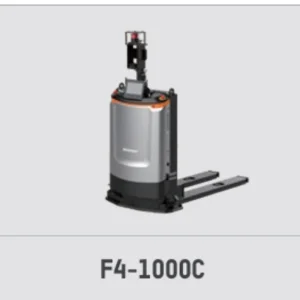
Explore our full line of specialized AGVs and AMRs for comprehensive material handling workflows in Castries.
Contact our system engineers today to design, evaluate, and budget your customized autonomous transport solution for your operations in Castries, Saint Lucia.
Request System Quote