 Lunasol Logistics
Lunasol Logistics
Lunasol Logistics
Engineered for high load limits, corrosive marine environments, and precise multi-directional navigation in port warehouses and coastal terminals.
The Republic of Maldives represents a unique geographical and logistical paradigm. Composed of 26 natural atolls spread across the Indian Ocean, its economy is intrinsically tied to maritime trade, tourism, and fisheries. Unlike landlocked or vast continental territories, the Maldives must handle millions of tons of imported consumer goods, construction supplies, and resort-bound logistics through high-density marine terminal nodes. The pressure points occur primarily at Malé Port (MPL) and the expanding industrial zones of Hulhumalé and Thilafushi.
To cope with rising cargo throughput and mitigate critical space constraints, the Maldivian government and key private developers are looking toward smart warehousing and automated container logistics. Traditional heavy machinery encounters operational bottlenecks due to space limitations and emission concerns. This is where heavy load AGVs (Automated Guided Vehicles) and industrial heavy-load robotic manipulators provide a transformative advantage. Integrating autonomous machinery allows operations to continue 24/7 in coastal cargo sorting yards, dry-dock vessel building centers, and deep-freeze logistics units optimized for seafood export preservation.

The technological evolution shifts from rigid pre-routed automation to dynamic, AI-navigated, swarm-controlled logistical eco-systems.
Modern heavy robots rely on hybrid navigation systems, pairing 3D LiDAR mapping with real-time semantic computer vision, allowing safe dynamic travel in complex ports.
State-of-the-art Lithium Iron Phosphate (LiFePO4) systems with integrated Smart BMS support 5C charge-discharge rates, allowing heavy-duty AGVs to gain 80% charge in 20-minute windows.
Collaborative robotics allows two or more heavy AGVs to link mechanically or virtually, distributing payloads exceeding 500 tons across dynamic structural centers of gravity.
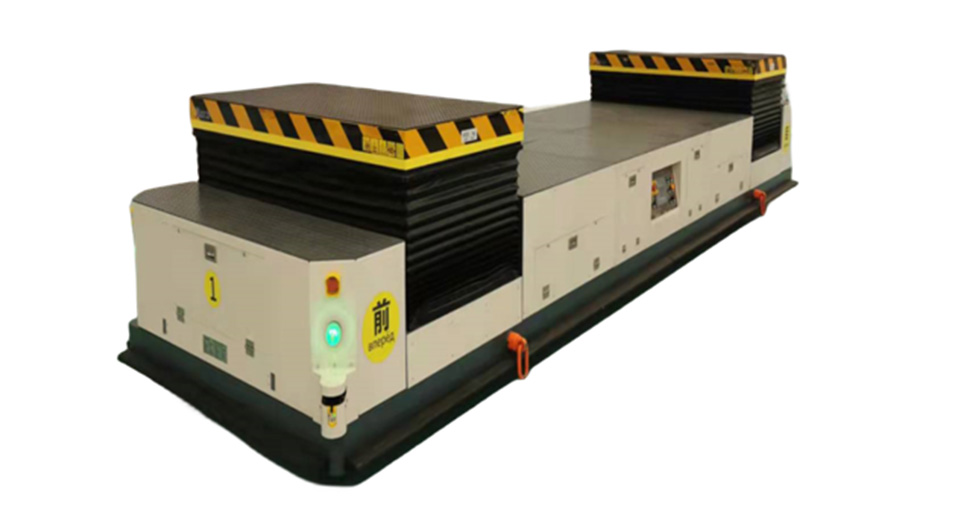
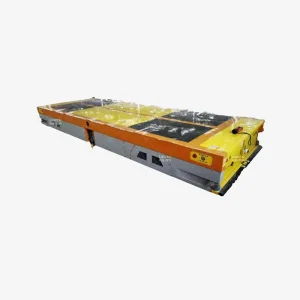
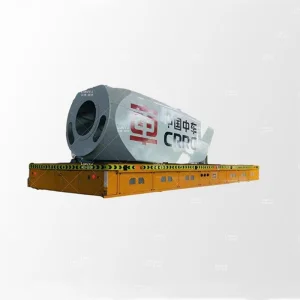
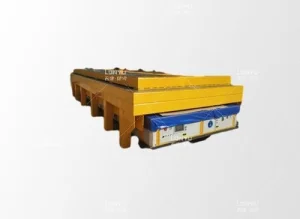
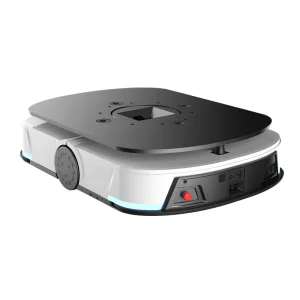
Daian Lunasol Logistics Technology Co., Ltd. is based in Dalian, a key port city. Our operations center on complete research, development, engineering design, quality control, technical support, and comprehensive after-sales services for smart robotics and factory automation. Our diverse product families include light-duty automated AMRs starting from 0.5-ton capacities, intermediate heavy-lifting units spanning 2 to 5 tons, and massive heavy-duty transport vehicles capable of carrying between 5 and 100+ tons, extending to custom 360-ton configurations.
Our solutions target and resolve operational challenges across multiple demanding industries: automotive assembly, port container terminals, marine shipbuilding, metal mills, heavy machinery, high-speed passenger rail, precision electronics, and high-temp plastic molding. Our commitment to heavy-duty engineering has established long-term operational partnerships with leading global enterprises, including FAW Flag, CIMC Group, Yada New Materials, Zoomlion, and the Russia Federal Railways.
By studying international safety standards and pioneering localized engineering adaptations, we have developed our own suite of core technologies. We design, program, and build our proprietary AGV guidance controllers, advanced high-accuracy sensors, active battery management modules, and zero-downtime online charging technology. This internal hardware and software engineering stack guarantees that our equipment remains robust, reliable, and easily adaptable to the unique climate challenges of the Maldives.
How Daian Lunasol tailors heavy industrial robotics to the specific terrain, environment, and economy of the Maldives.
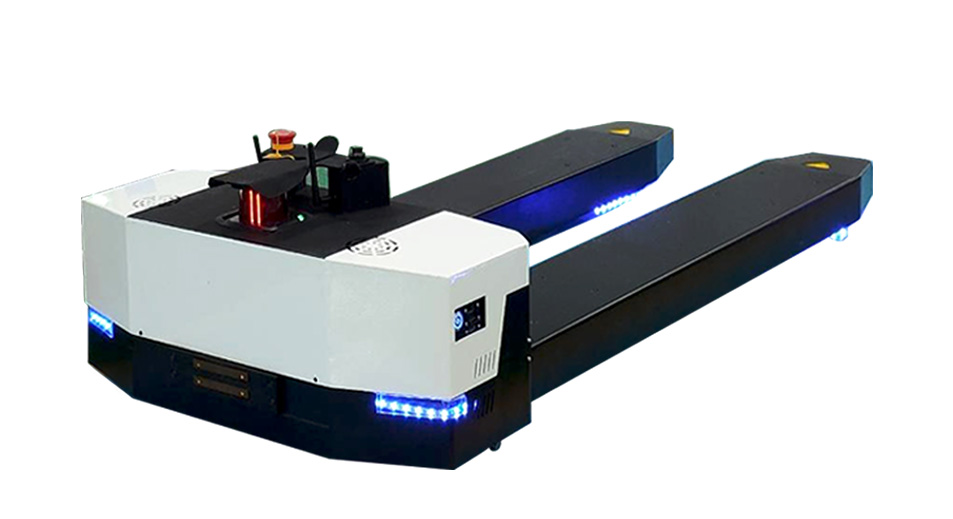
At Malé Port and the planned Gulhifalhu container terminal expansion, spatial optimization is critical. Our heavy-duty backpack lifting and forklift AGVs handle 30-ton to 100-ton cargo units in small terminal pathways. Incorporating dual-sensor laser scanners ensures safe operation alongside human workers and port cranes.
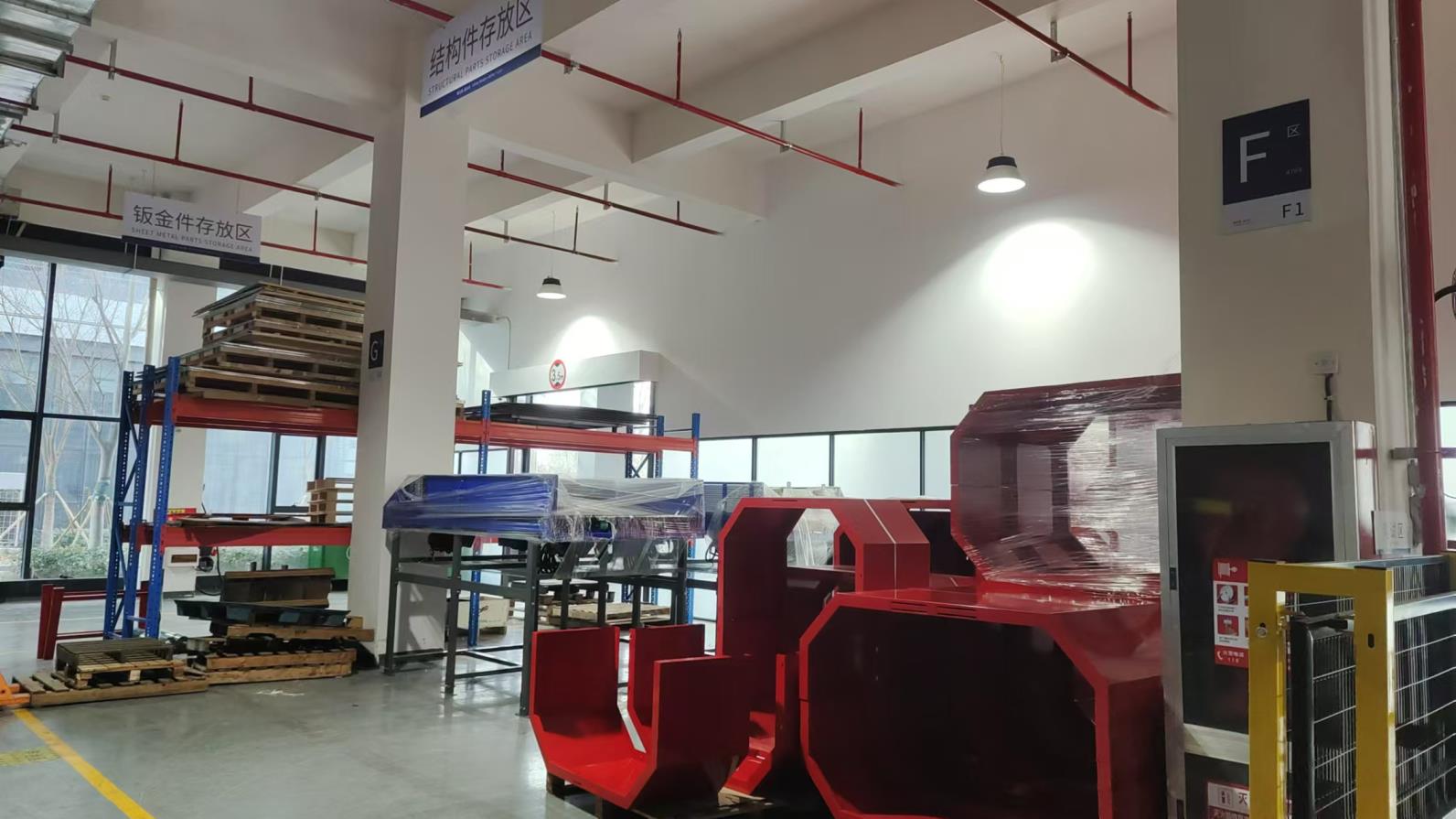
At Thilafushi, domestic boatbuilding and maintenance require shifting massive hulls and ship components. Our multi-vehicle linkage AGV systems distribute heavy boat loads up to 360 tons. Engineered with corrosion-resistant frame coatings, IP-rated seals, and active humidity protection, our vehicles thrive in salty, coastal conditions.
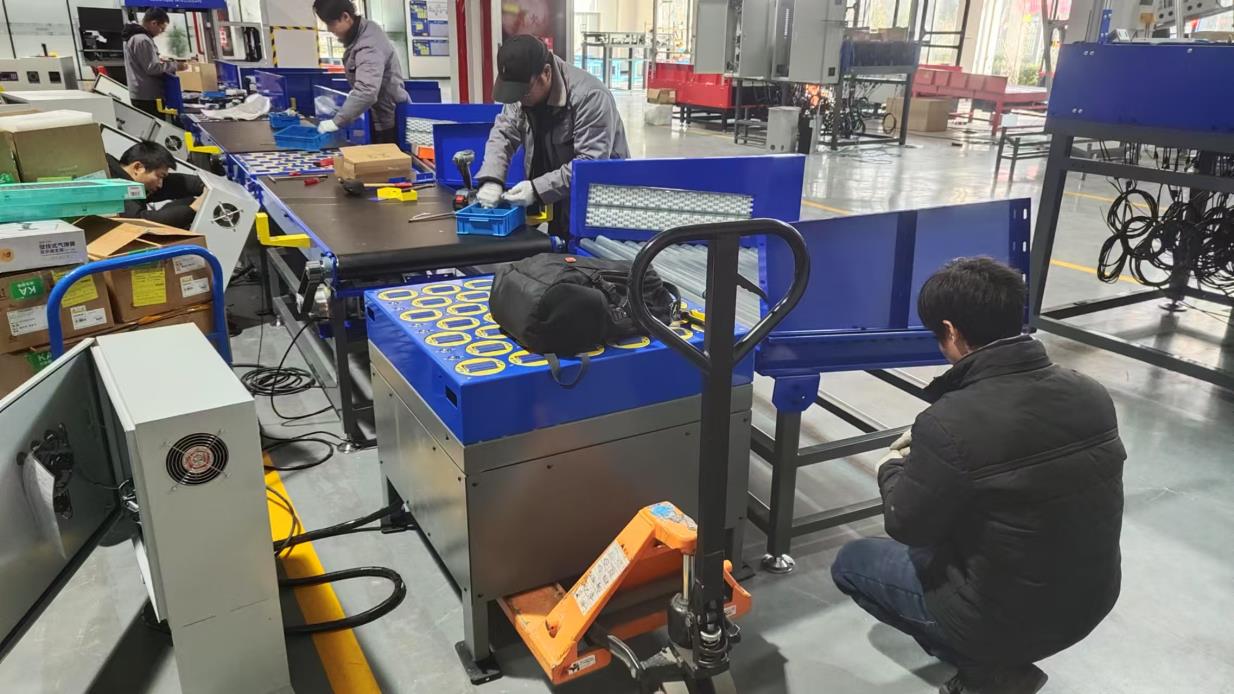
Supporting the Greater Malé Connectivity Project, our heavy-duty transporters assist in moving large precast concrete and bridge steel structures. Using dynamic hydraulic lift platforms, the robots move heavy structural elements directly from ferry transit barges to onshore assembly staging areas.
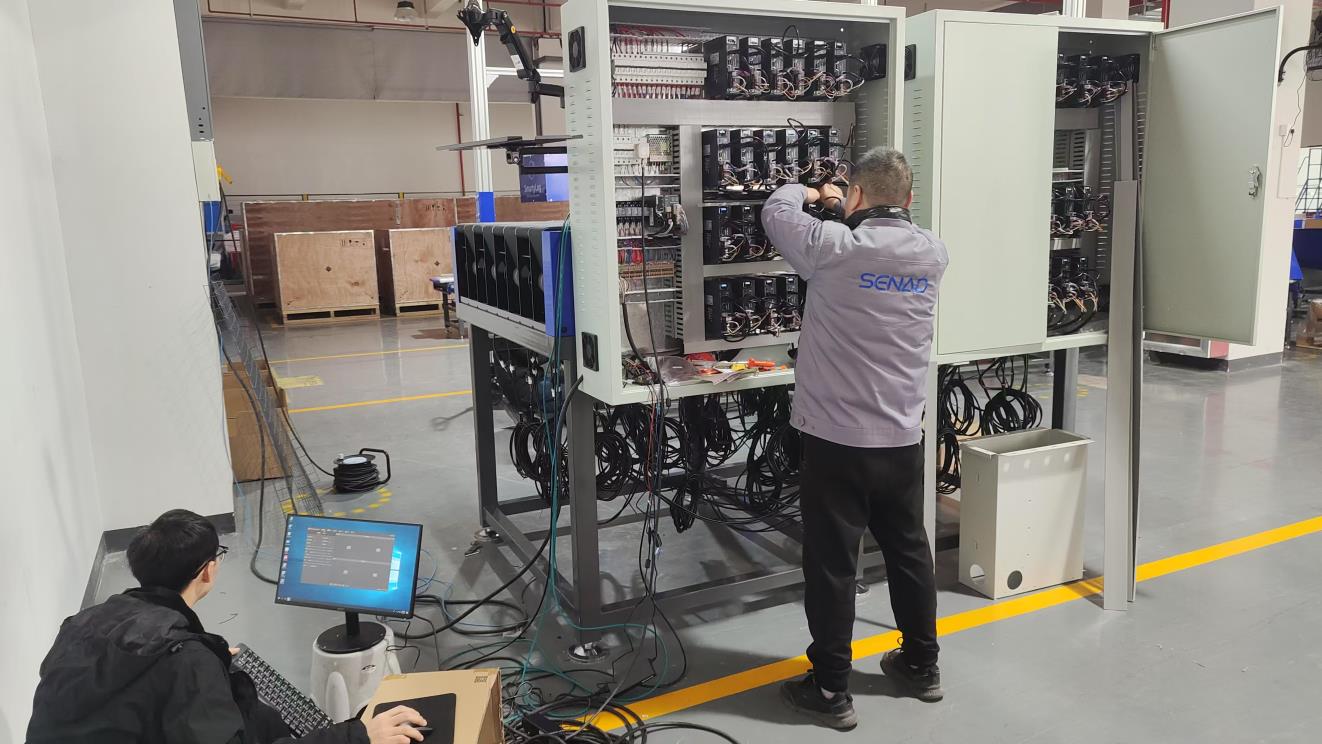
For the Maldives' premium tuna export market, quality cold-chain preservation is vital. Our low-temperature adapted AGVs operate reliably in temperature zones down to -30°C. They handle the automated intake, storage, and containerized dispatch of heavy seafood shipments, reducing heat exposure and energy costs.
Executing heavy industrial automation within the Indian Ocean region requires engineering for specific local constraints. Island microgrids require smart charging infrastructure to avoid grid spikes. In response, Daian Lunasol has developed active, grid-balancing charging systems that schedule charging sessions based on real-time port energy availability.
Additionally, our mechanical layouts employ marine-grade protective finishes. High-stress structures undergo comprehensive Finite Element Analysis (FEA) to confirm performance under elevated ocean temperatures, saline humidity, and tropical rainfall. The control software supports dual-frequency Wi-Fi and 5G private networks, maintaining reliable communications even in the presence of heavy container stacks and steel port structures.
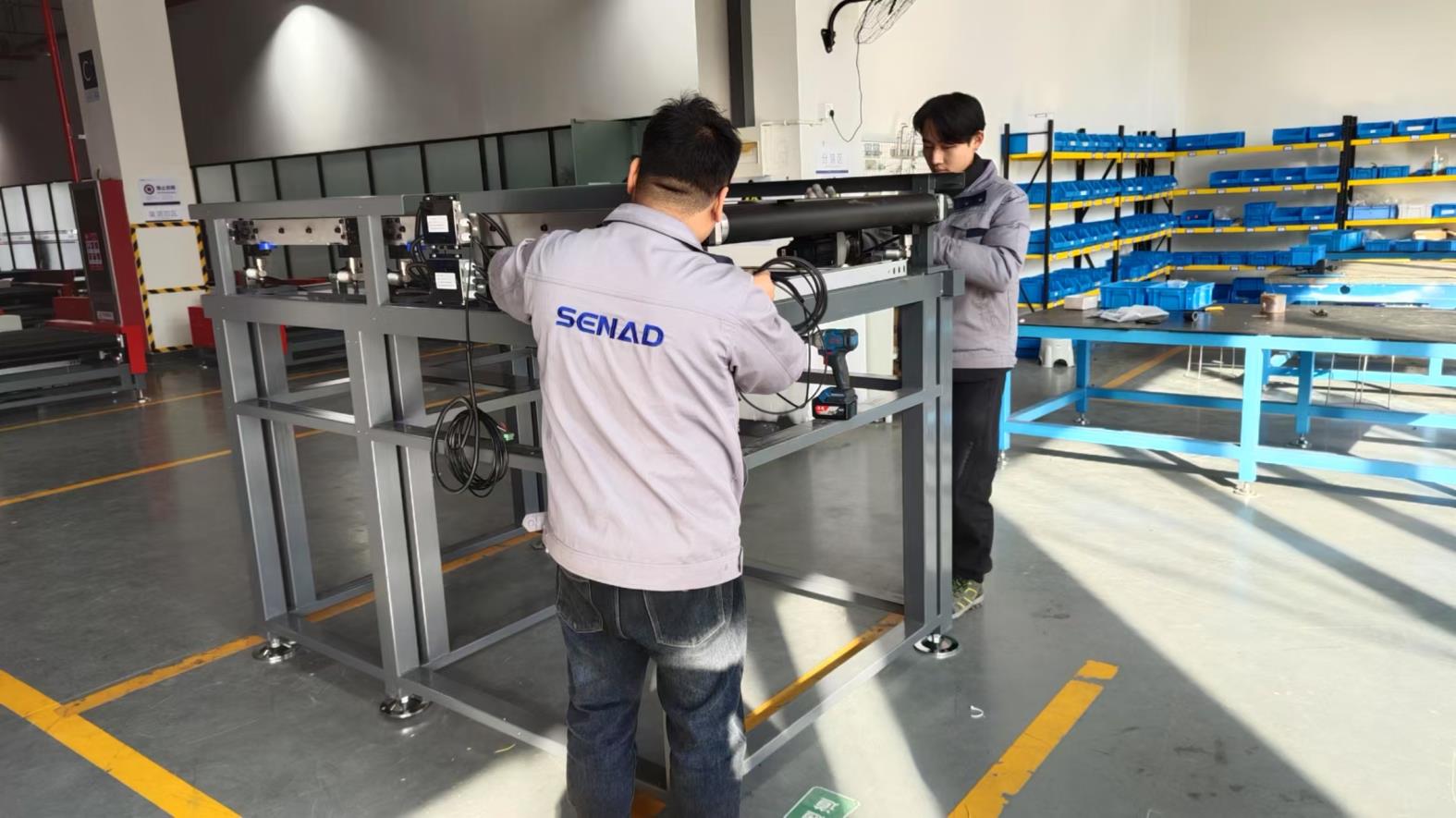
High-tonnage material transporters, robotic palletizers, and specialty manipulators for marine, logistics, and assembly applications.
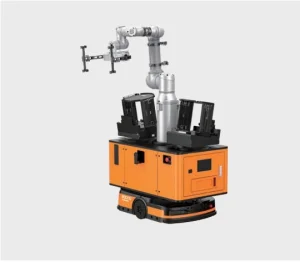
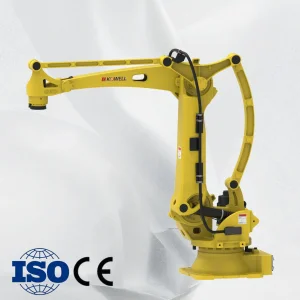
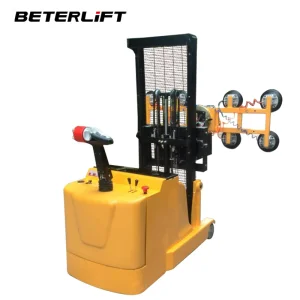
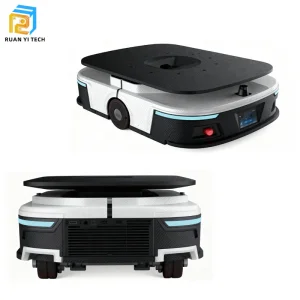
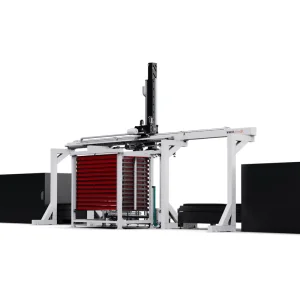
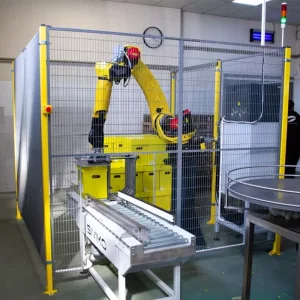
Addressing core technical questions from engineering managers and logistics operators regarding deployment in high-salinity island environments.
Our chassis frames are constructed from high-grade structural steel and receive marine-class sandblasting followed by multiple epoxy zinc-rich protective coatings. Essential electrical components, sensors, and actuators are sealed inside IP65 or IP67 enclosure cabinets. We also use premium stainless steel fasteners and add hydrophobic coatings to our optical navigation windows to prevent salt-fog crystallization.
We recommend Laser/LiDAR SLAM combined with secondary barcode grid navigation. In dynamic port settings where containers change positions constantly, relying on pure visual reference can cause path deviations. Our hybrid SLAM system fuses LiDAR cloud maps, floor-embedded QR grids, and inertial wheel encoders (Odometry) to maintain position accuracy within ±10mm.
Our linkage vehicles utilize high-frequency wireless communications to synchronize speed, steering angles, and wheel torque in real time. A master controller monitors center-of-gravity shifts using hydraulic pressure sensors on each lift table. If a slight wheel slip is detected on one vehicle, the partner vehicle corrects its driving response within 5 milliseconds, preventing uneven stress on the cargo.
We use high-grade LiFePO4 cells with a cycle life of >3000 charges at 80% Depth of Discharge (DoD). Because Maldivian daytime temperatures can be high, our integrated battery management systems (BMS) include heat-dissipation plates and temperature monitoring sensors. These systems throttle charging rates during temperature spikes to protect battery health and prevent thermal degradation.
Yes. Our proprietary fleet management system (FMS) is built on an open API architecture. It integrates with existing WMS, ERP, and port management networks via TCP/IP, Modbus, or REST APIs. This allows your central operations team to track AGV positions, dispatch tasks, monitor battery statuses, and receive diagnostic reports from a single control panel.